
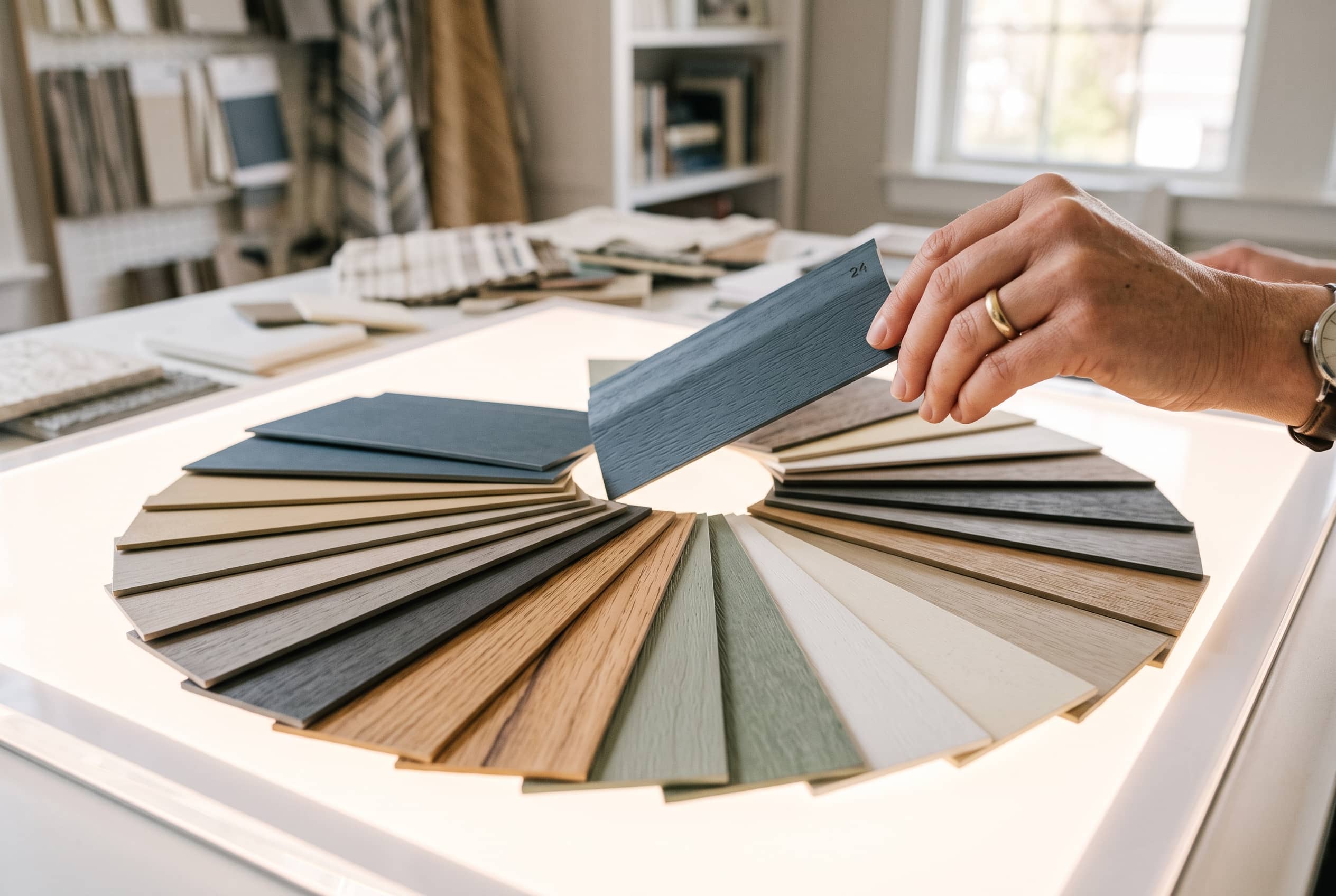
Pick the siding that fits your house and your weather.
Vinyl, engineered wood, or fiber cement. Lap, shake, or board and batten. What each one is actually like to live with, and who it's right for — no hierarchy, no upsell.
START HERE
Start with the decision that anchors the whole project.
Decide · Pillar guide
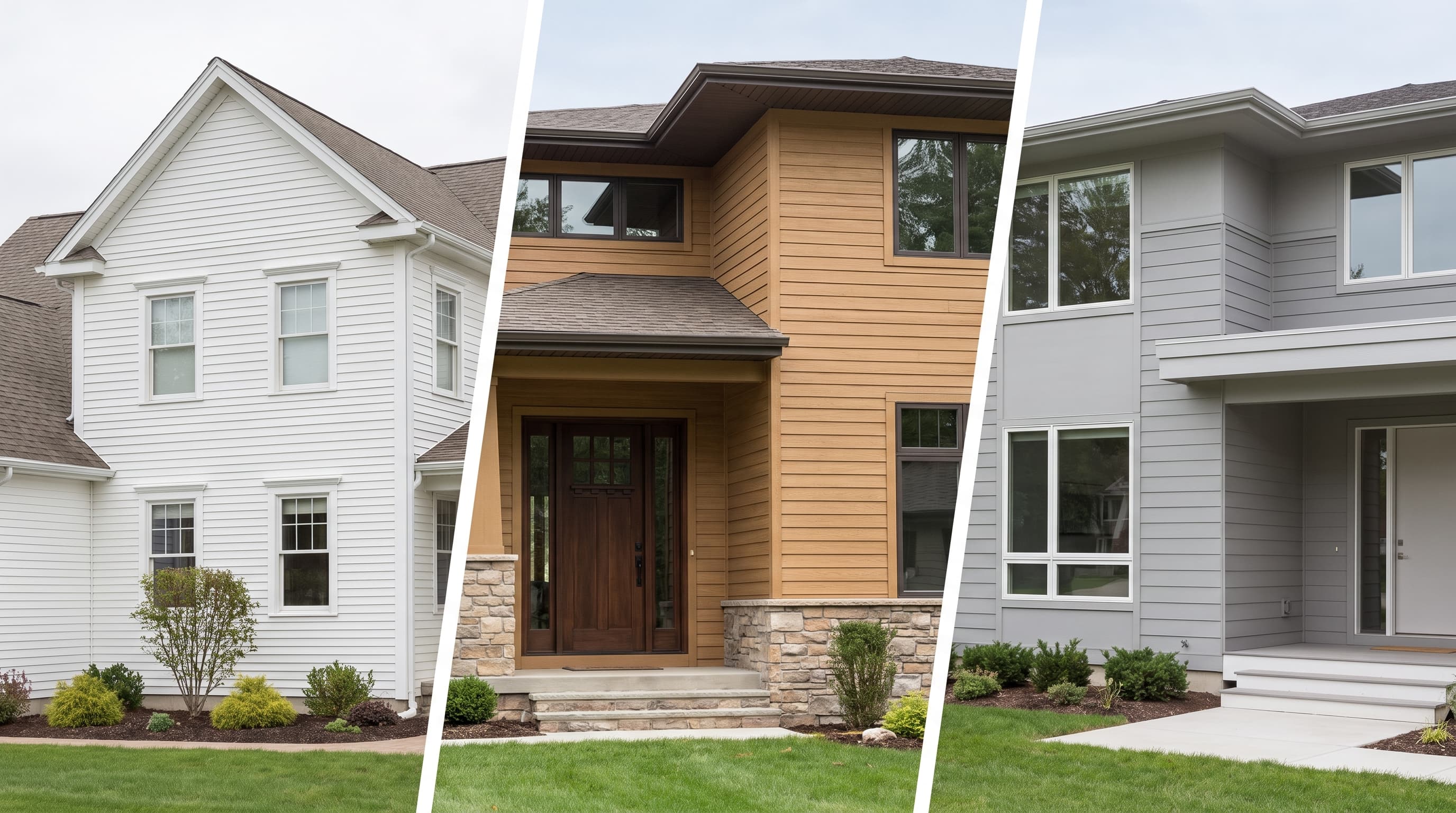
Siding Materials Compared: Vinyl vs. Engineered Wood vs. Fiber Cement
The central siding decision. What each material is really like to live with, what holds up best in New England, and who each one is right for.
Read the guide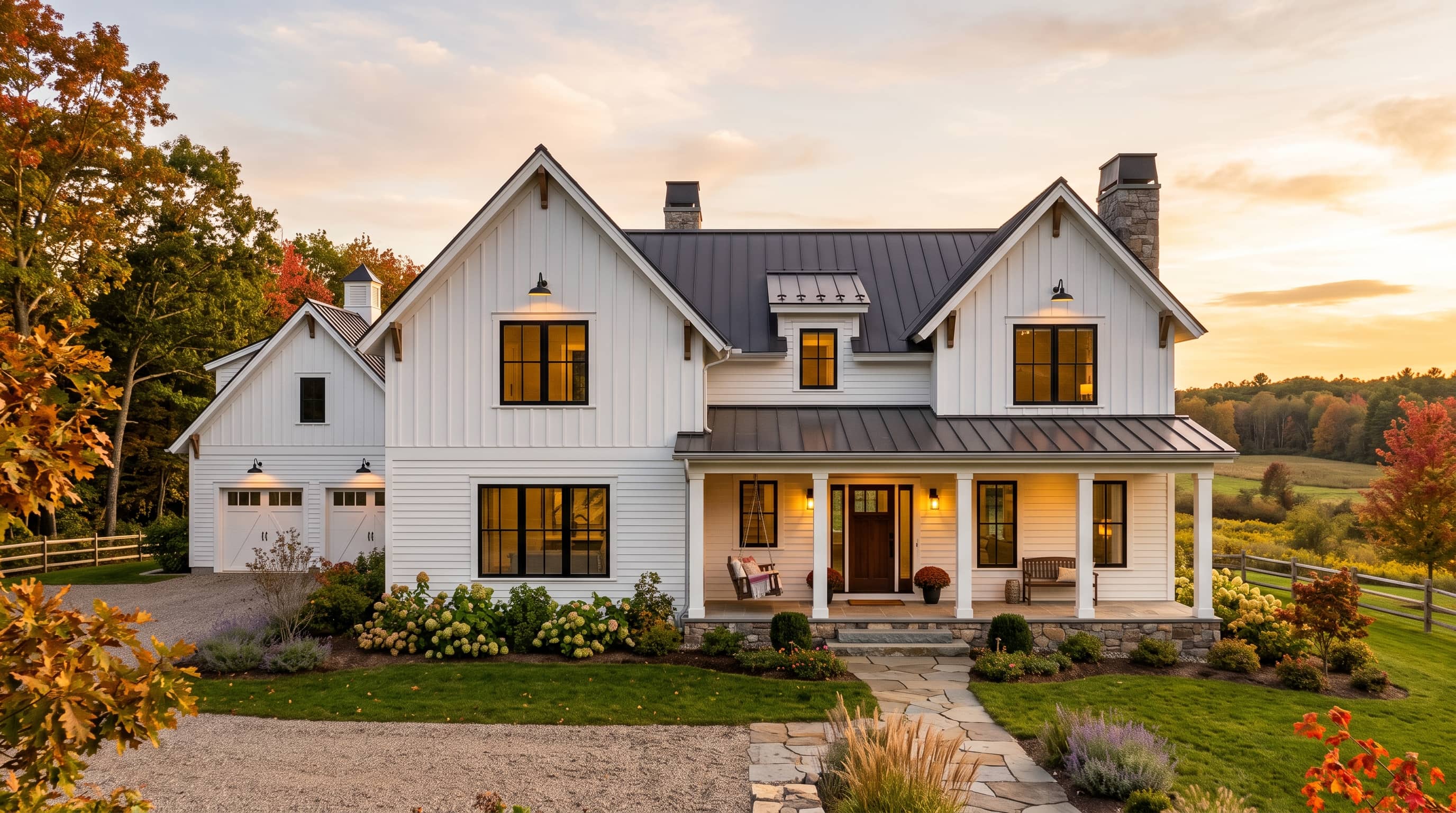
EVERY MATERIAL, STYLE & COLOR QUESTION
Browse the articles by topic.
Short, focused reads on the choices that decide how your house looks and how it holds up — each one a single, clear answer.
The central siding decision. What each material is really like to live with, what holds up best in New England, and who each one is right for.
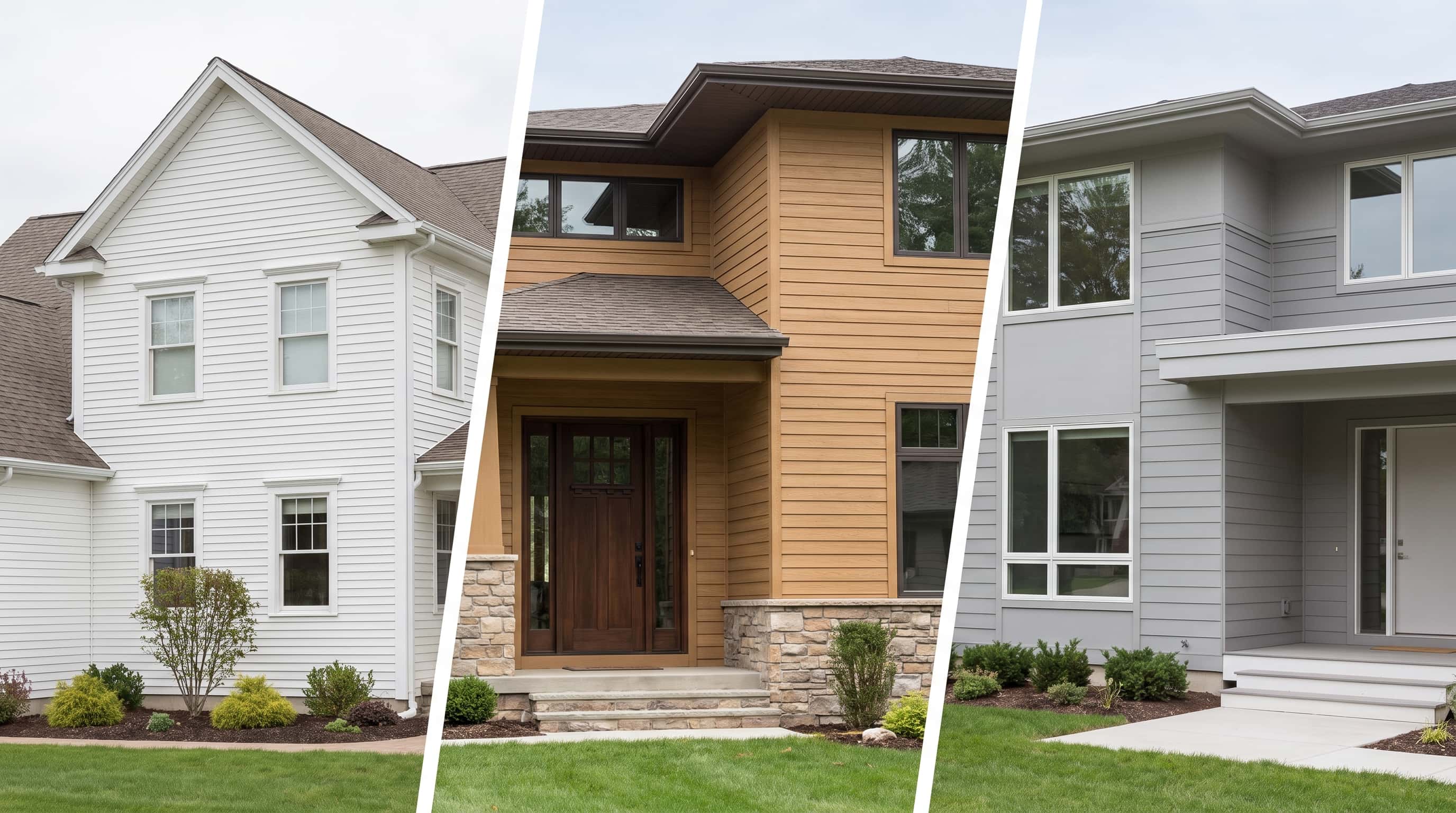
Two good answers for two different homeowners — upkeep, cold, weight, the look up close, and who each one fits.
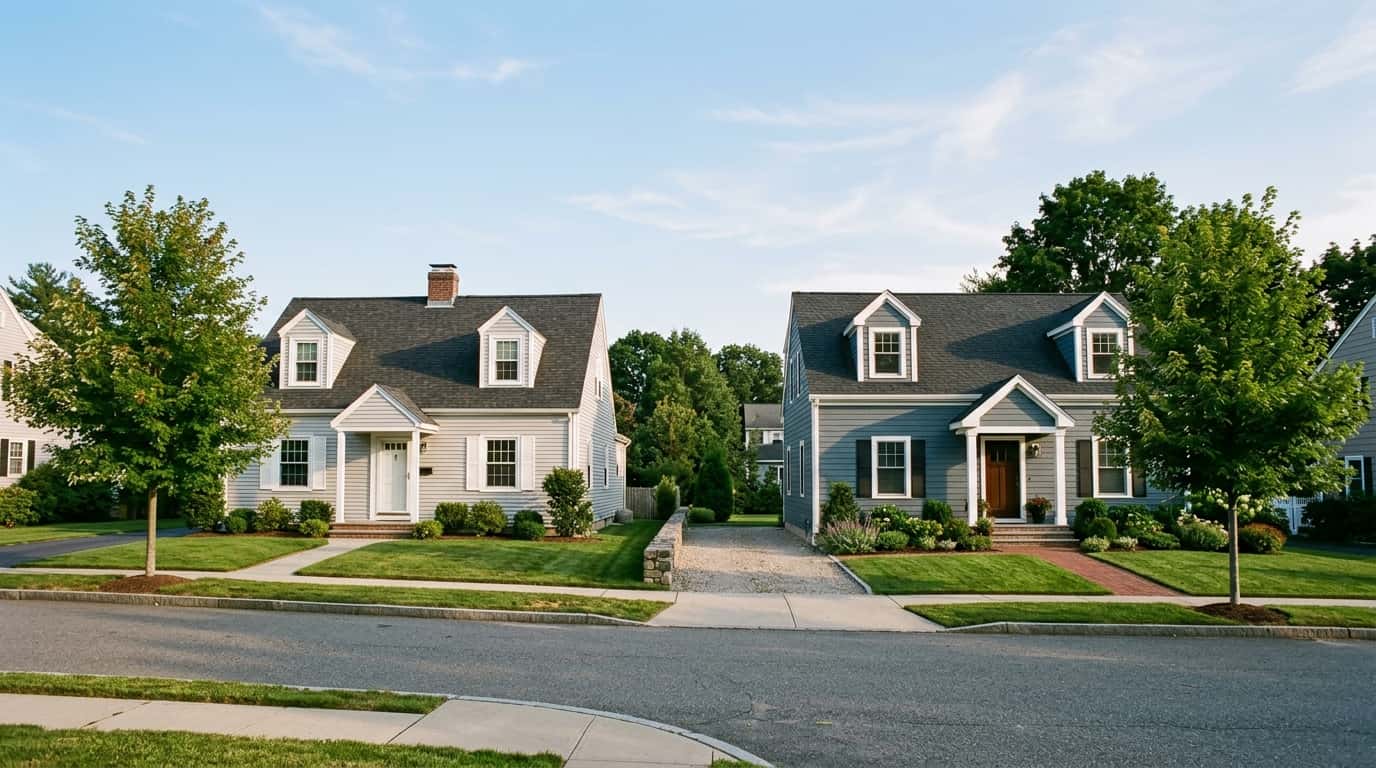
The mid-tier and the premium, by fit: grain and seams, weight and install, moisture, paint, and what the warranties really cover.
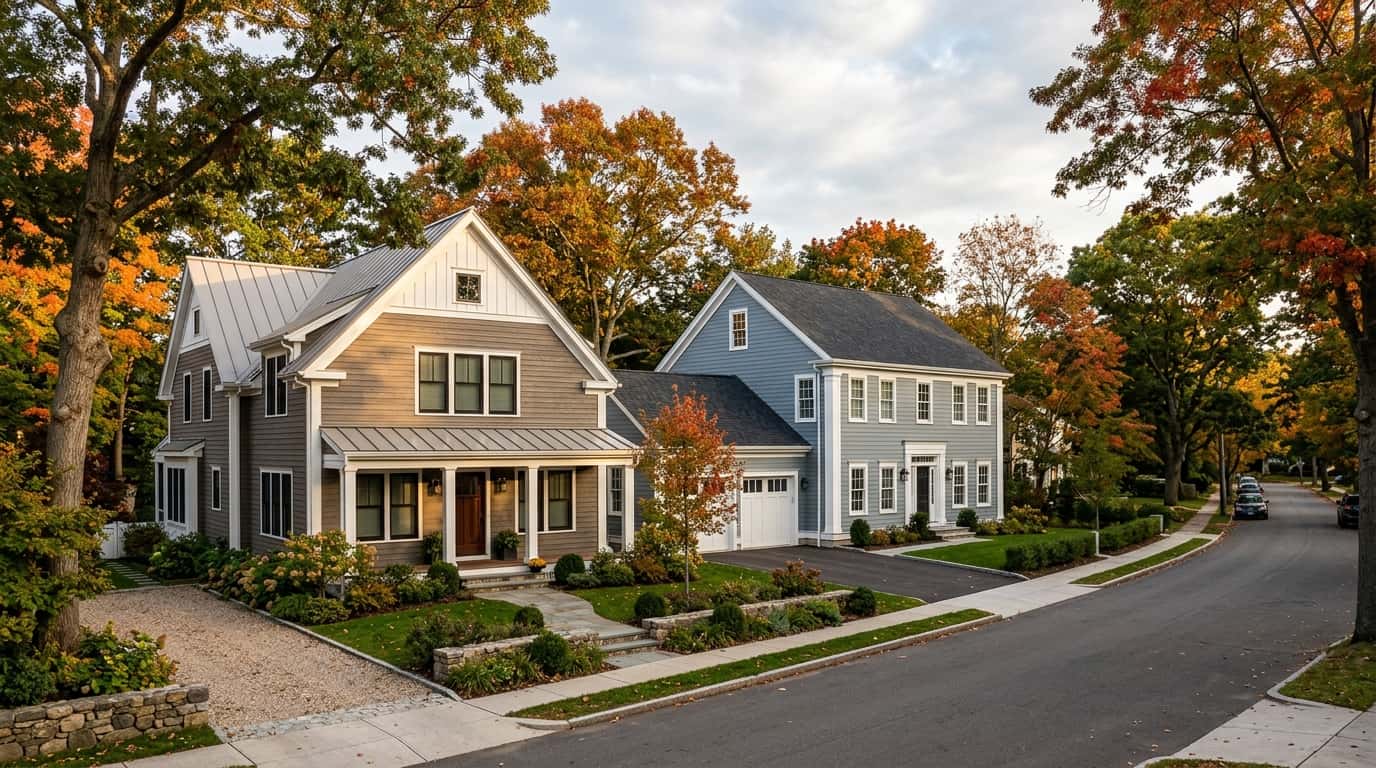
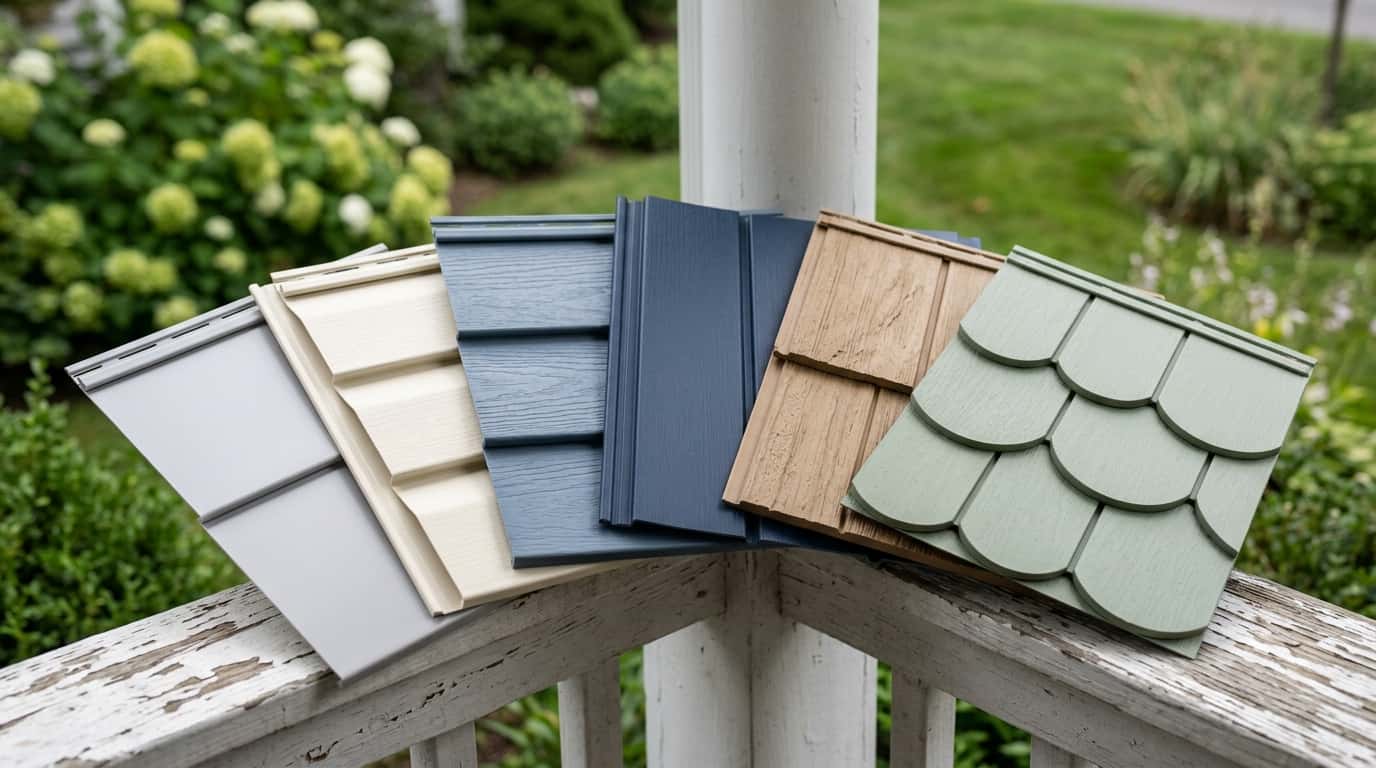
Vinyl below brand level — Monogram, CERTAplank, CedarBoards, Board & Batten, Northwoods, Cedar Impressions — sorted by fit.
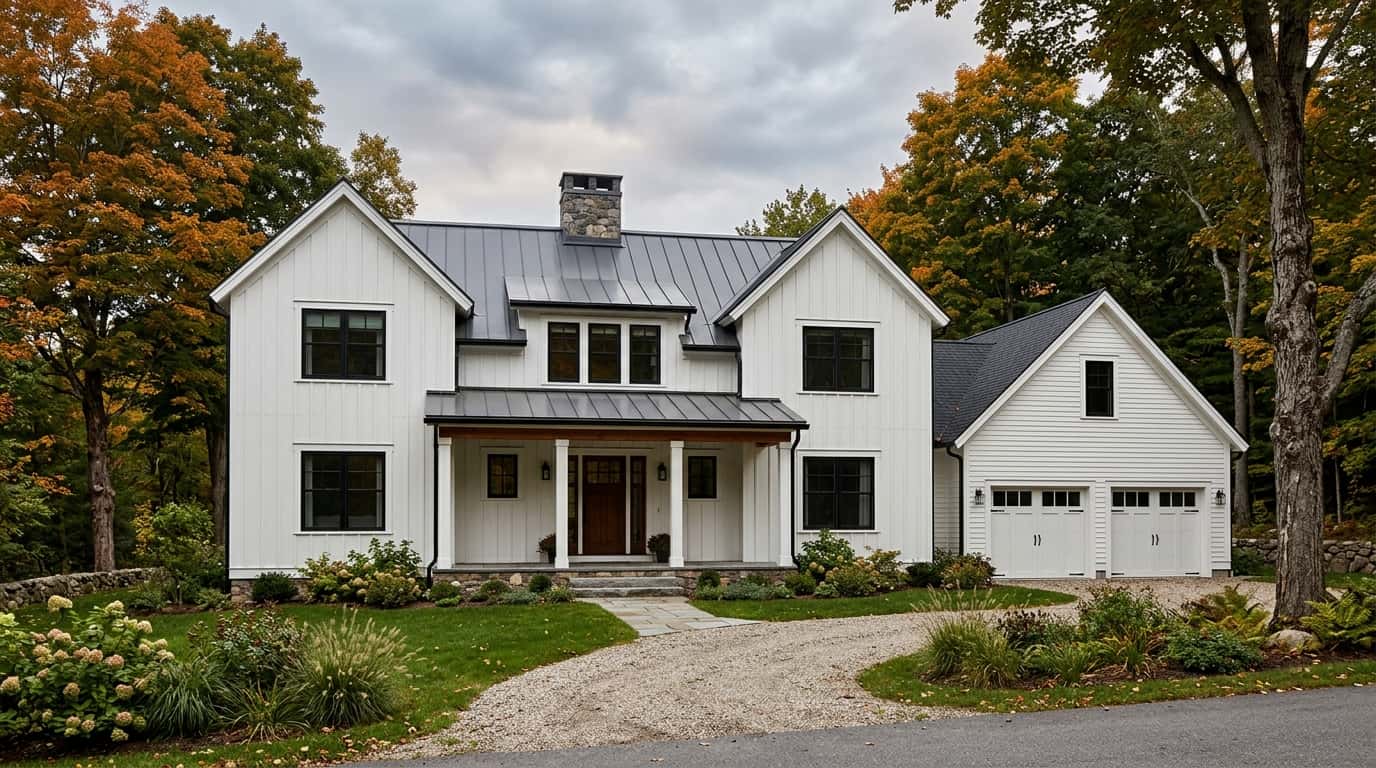
The farmhouse look in three materials — how each handles water on a vertical run, and who each fits.
Cold impact, snow at the base, driven rain, salt air, ice dams, pests — material by material, with the honest close.
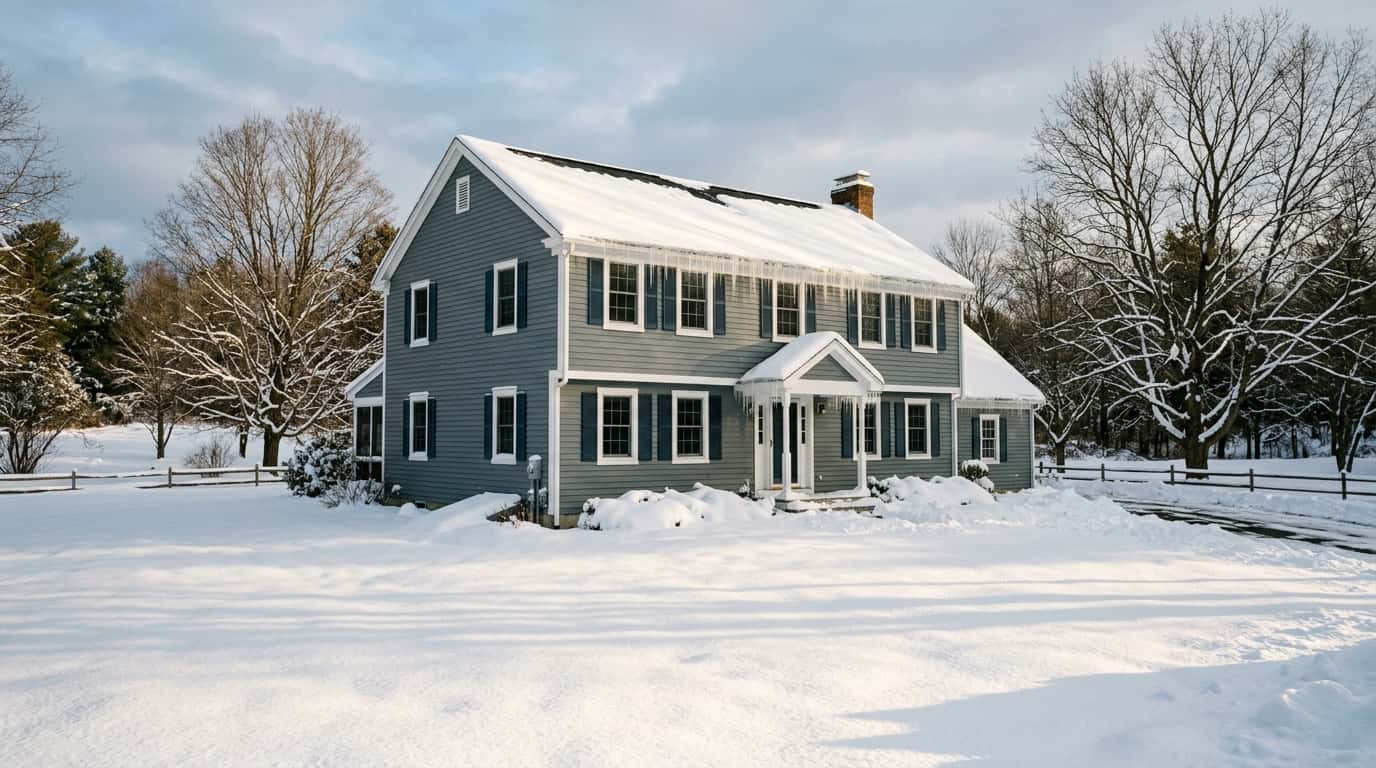
Why the south wall goes first, how modern finishes resist it, and what the warranties actually say about fade.
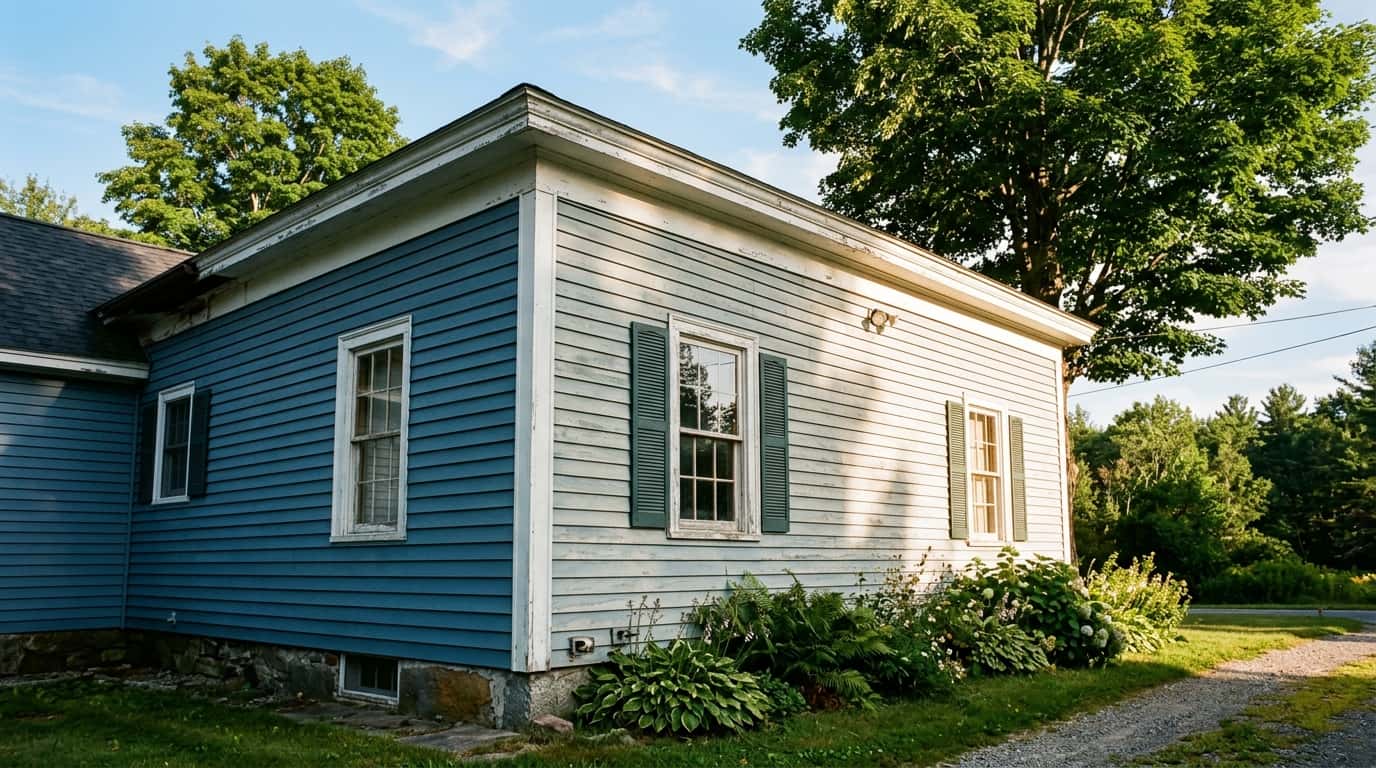
The horizon changes the answer — what to weight at 5, 15, and 25 years, and how a custom look fits any of them.
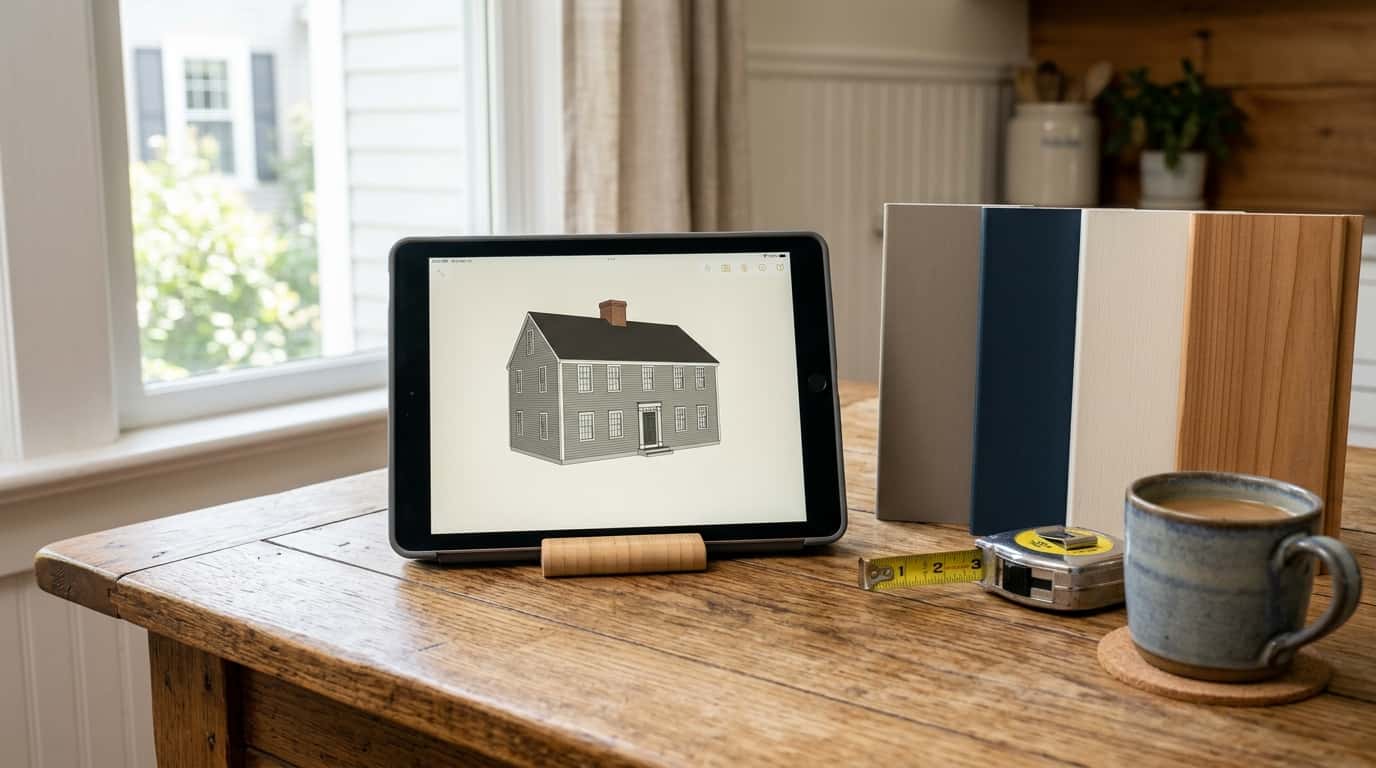
Terms, labor, transfer, fade, hail — the verified coverage for each brand, and the myths the fine print corrects.
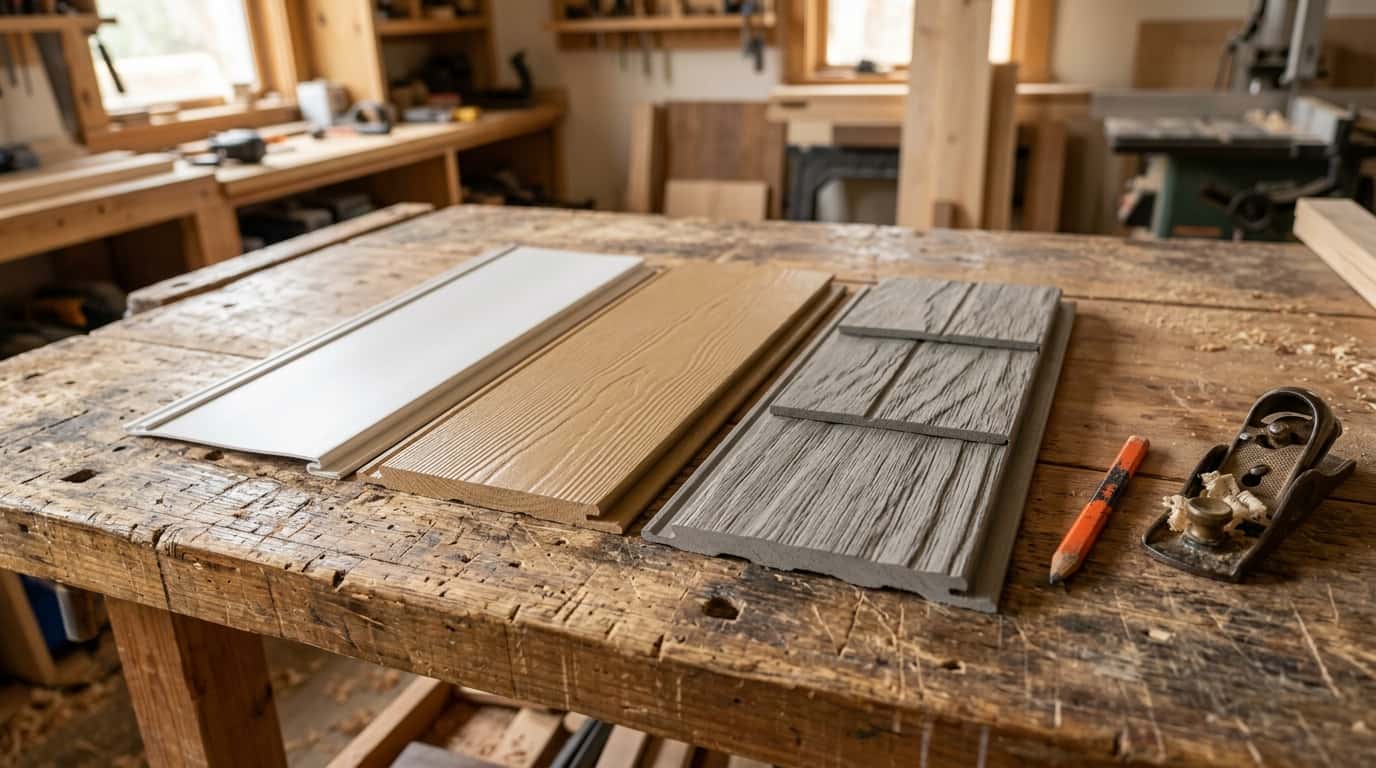
Each material's up-front tier against what it returns at resale and in years of upkeep — by fit, not a ranking.
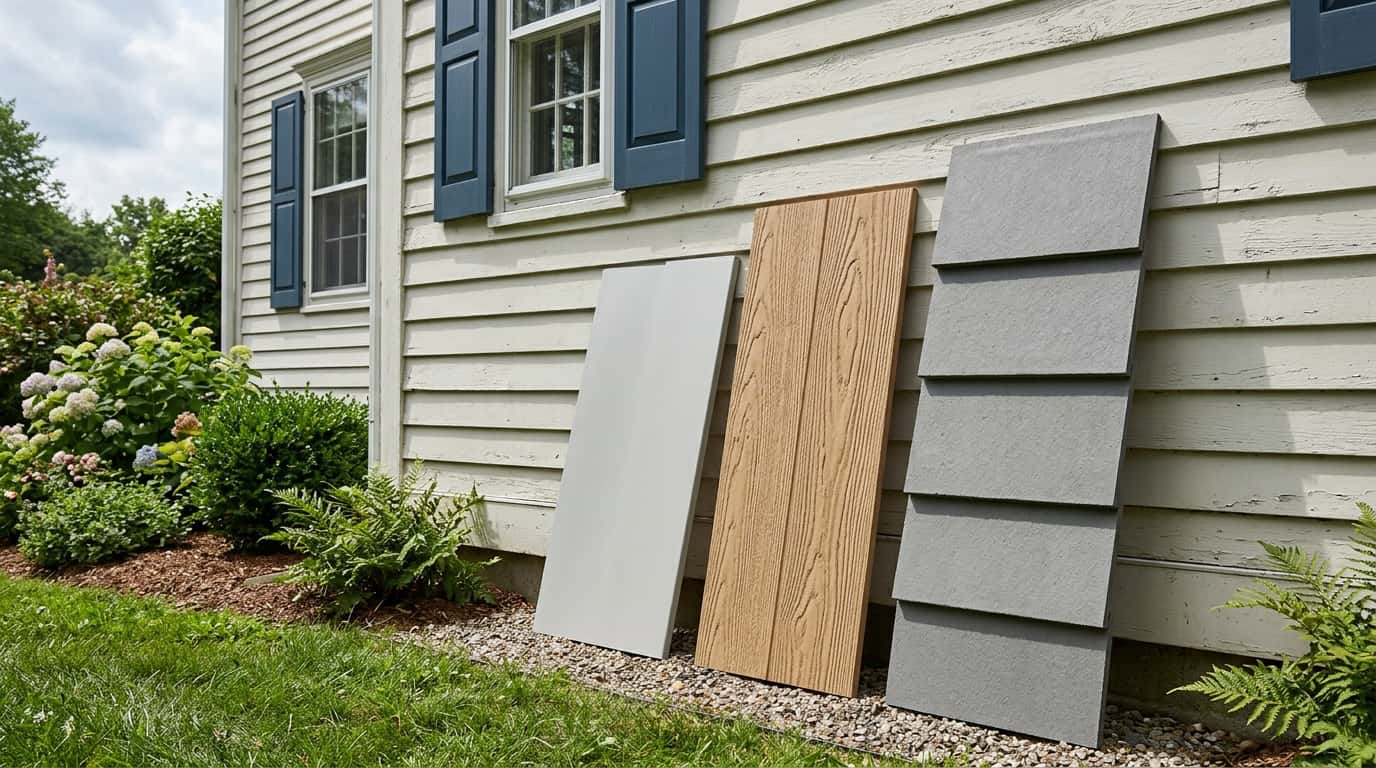
Profiles, colors, and how to mix them — how to get the look you want and the resale value that comes with it.
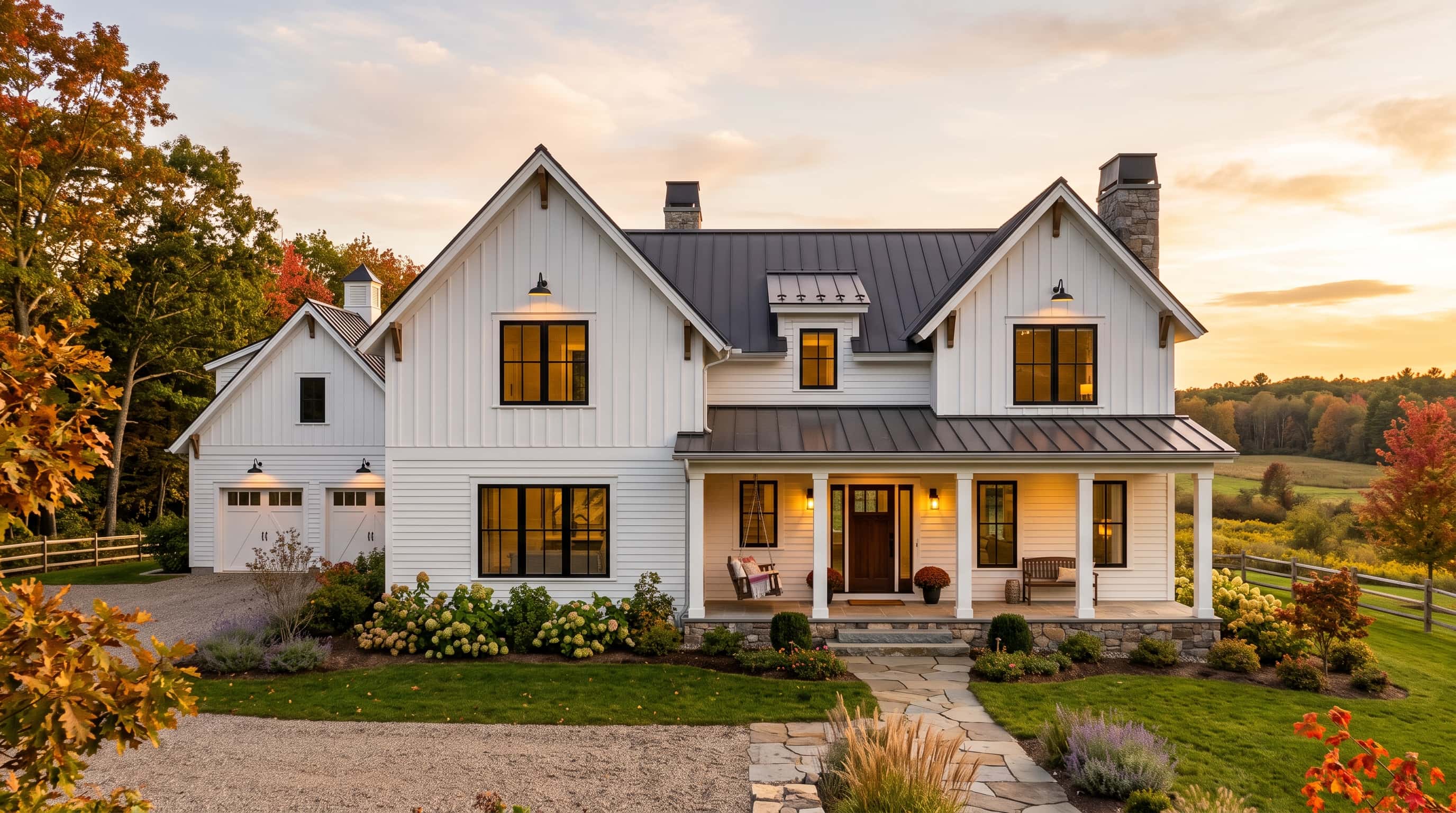
The palettes that travel well, when a bold color pays anyway, and how long you plan to stay changes the risk.
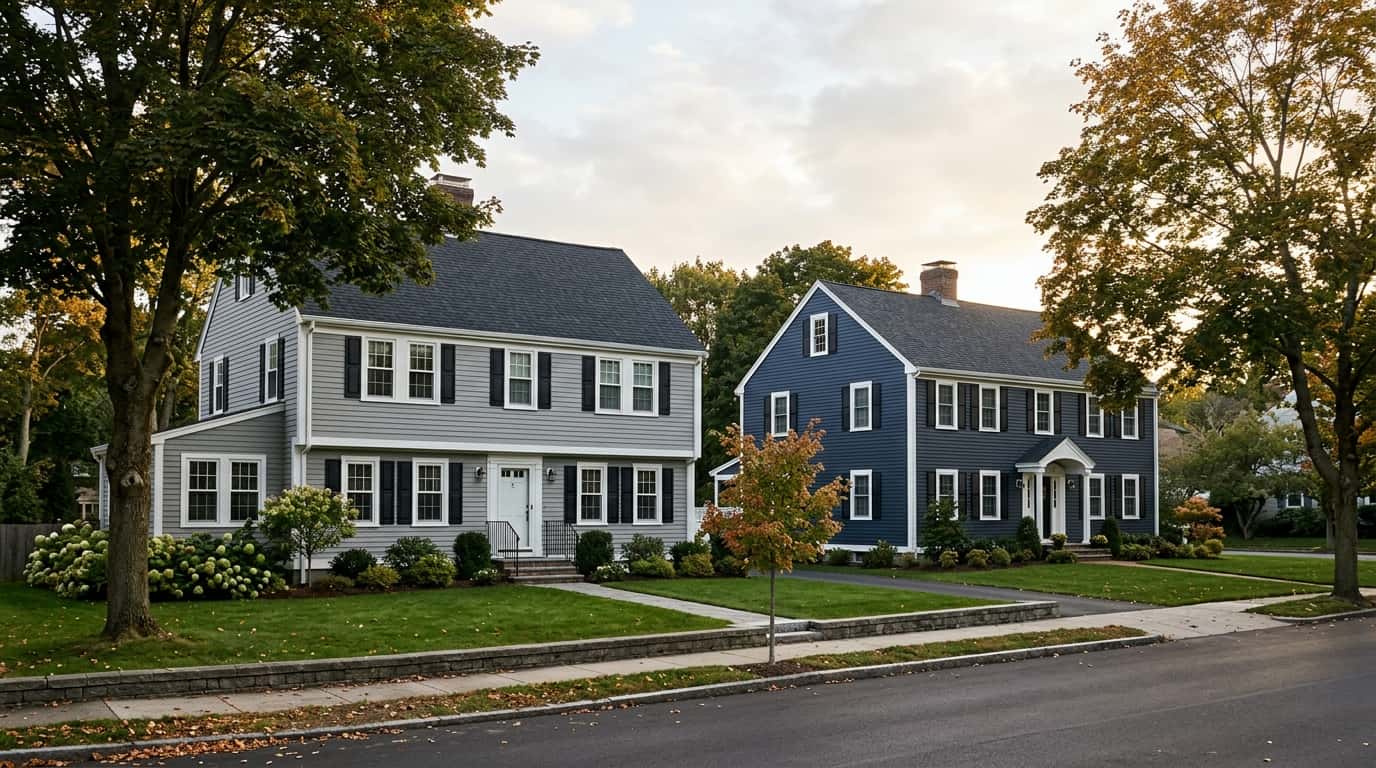
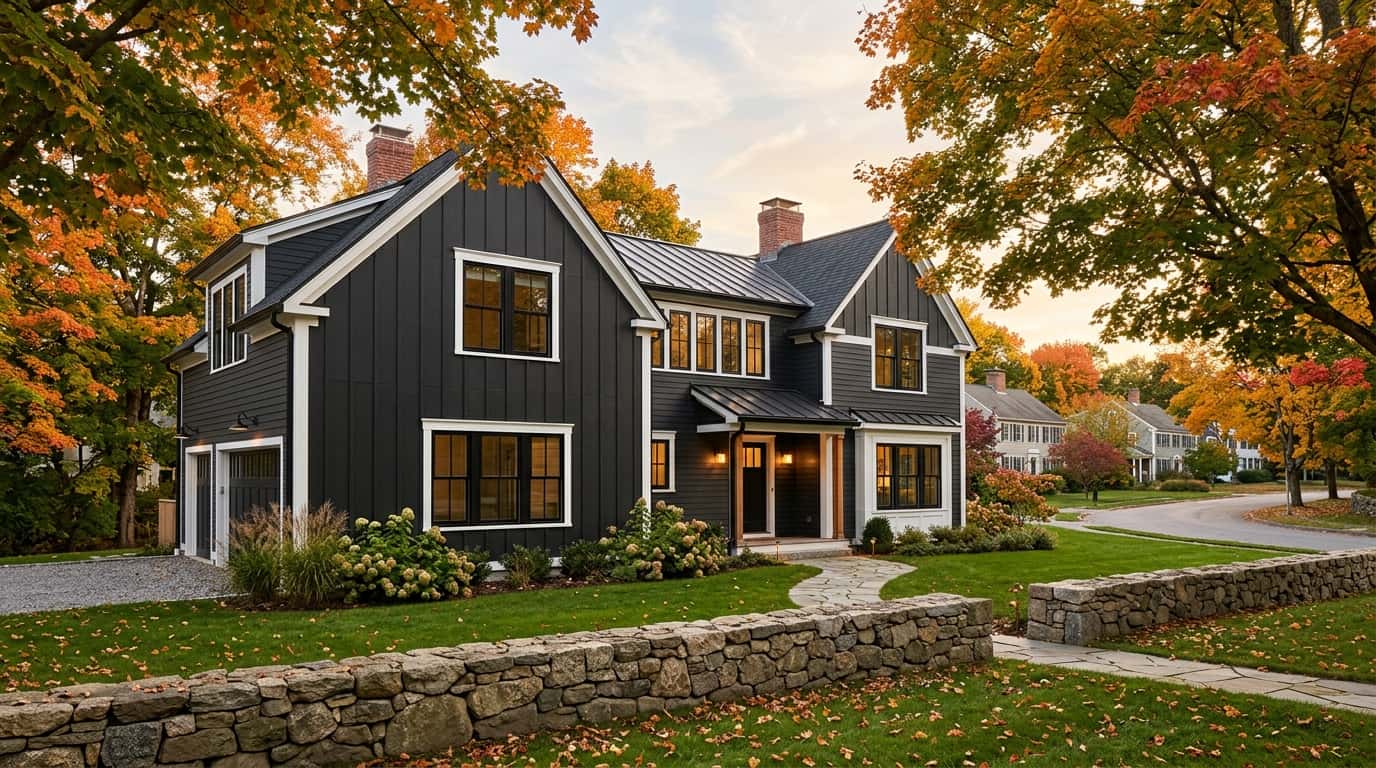
Where dark exteriors work, what heat, snow, and pollen do to them, and how each material carries a dark color.
Roof by roof, then brick and stone: the palettes that pair with what you can't change, and why the chip looks different on the wall.
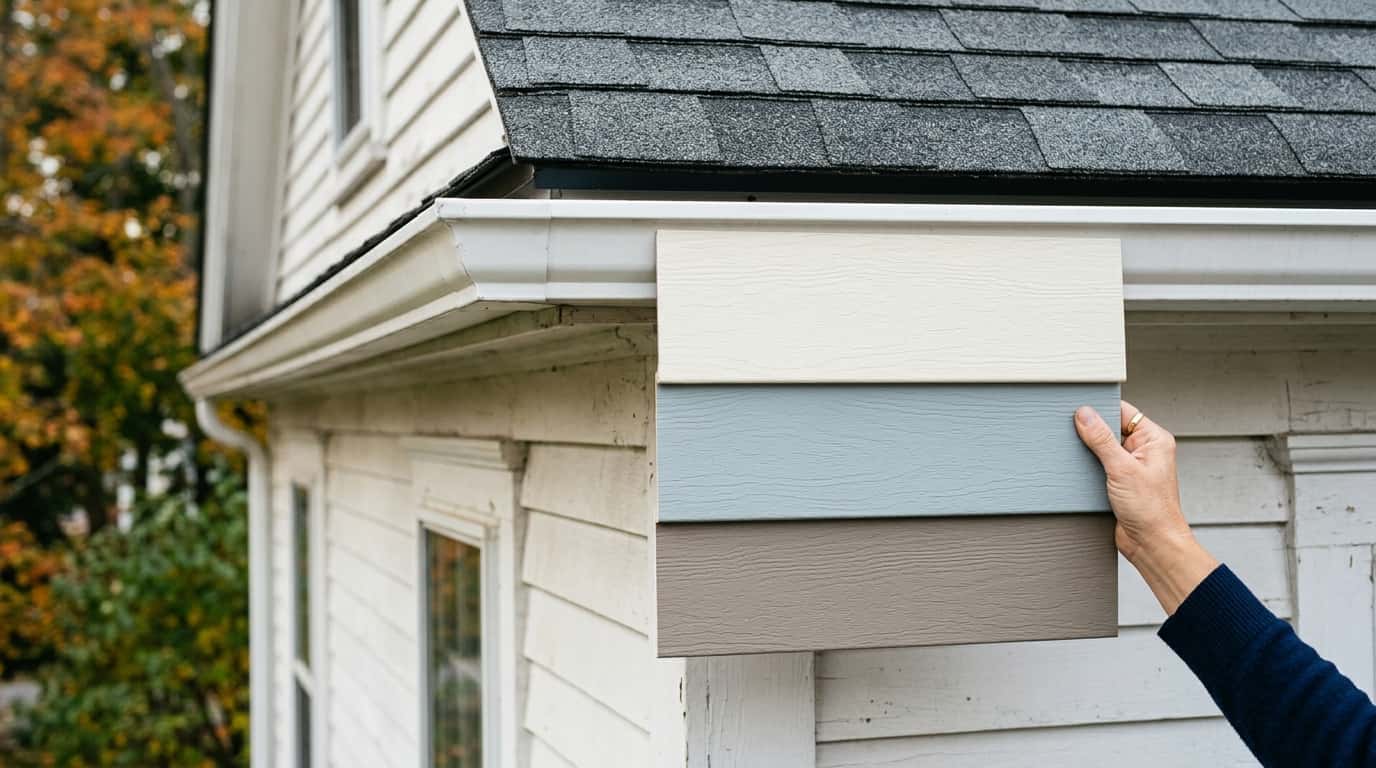
White trim on a colored field or dark trim on a light one — the pairings by palette, and the mistakes that read as busy.
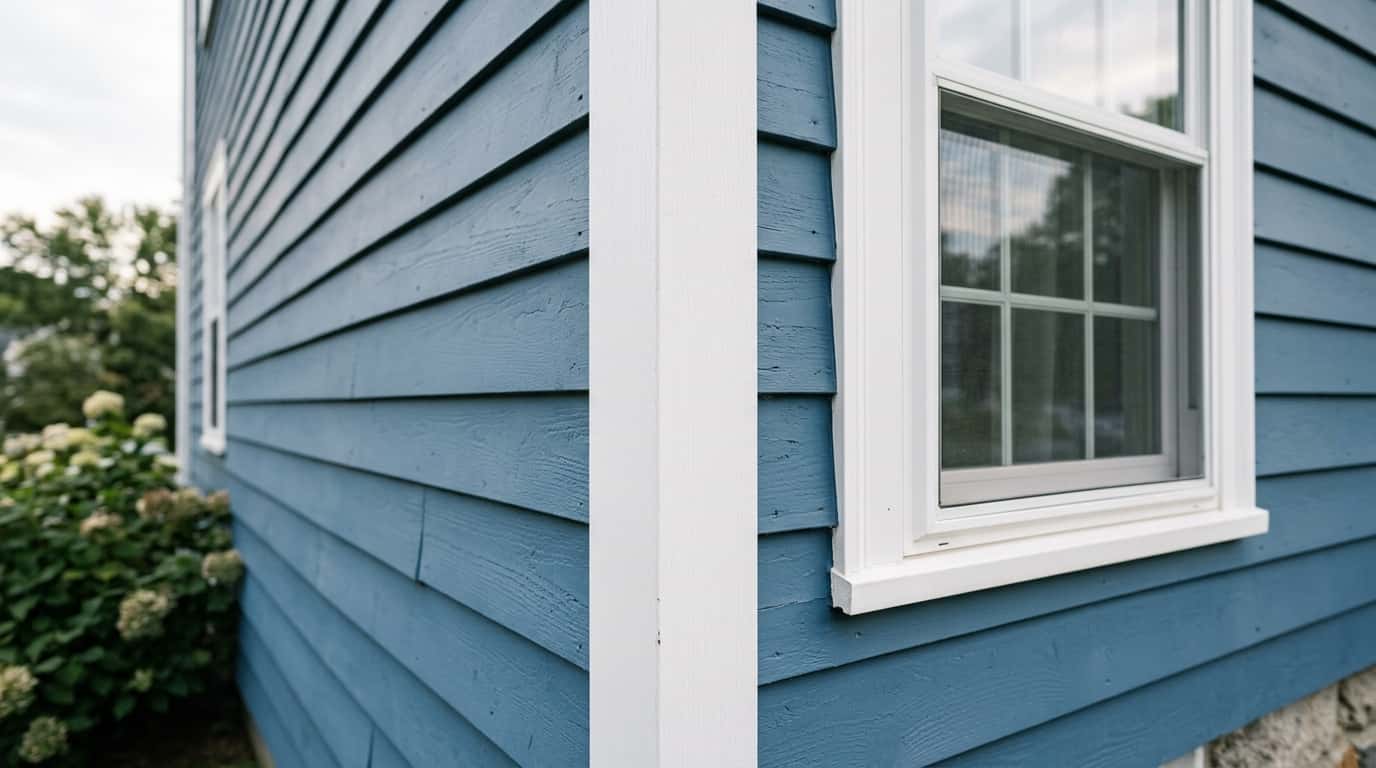
How each profile reads, which houses each suits, and why the usual answer is both.
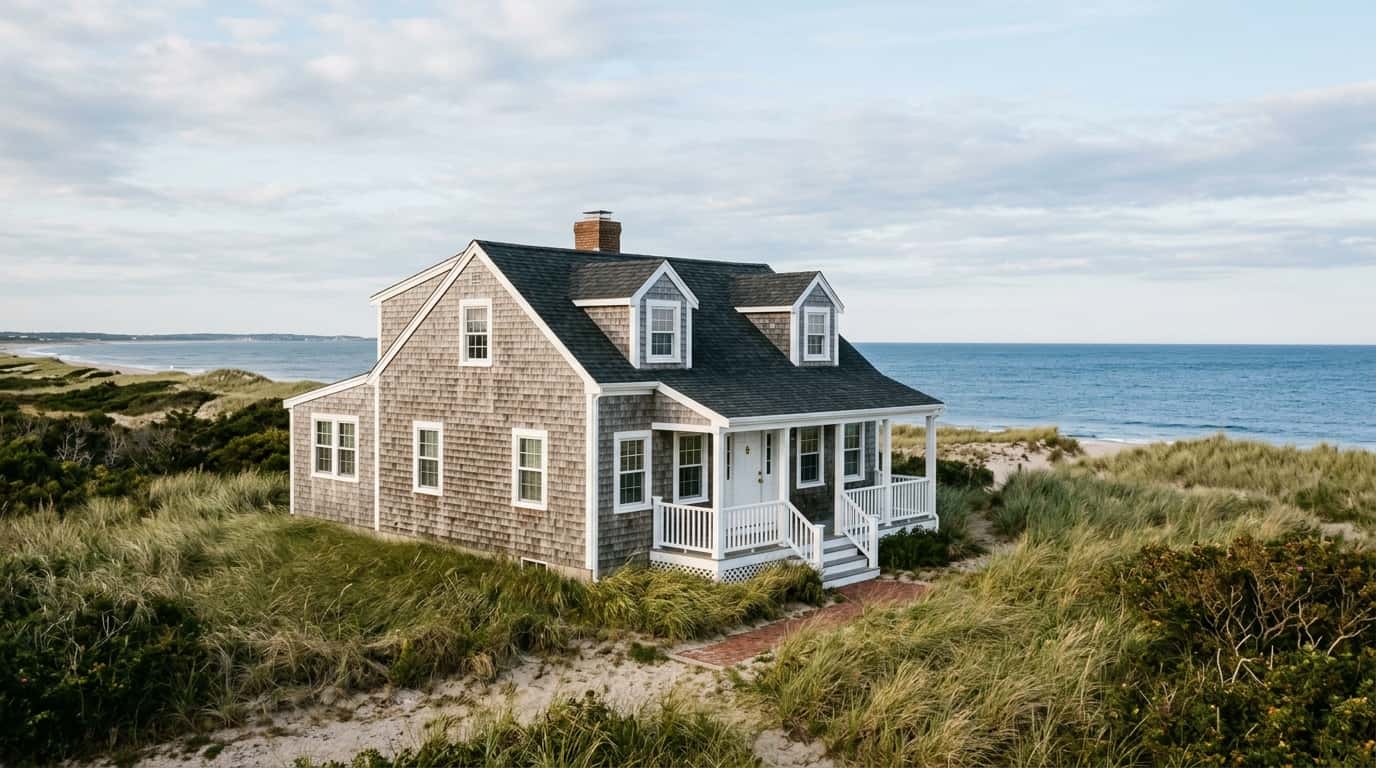
Gables only or a full story, the materials that give the cedar look, and the colors that suit it.
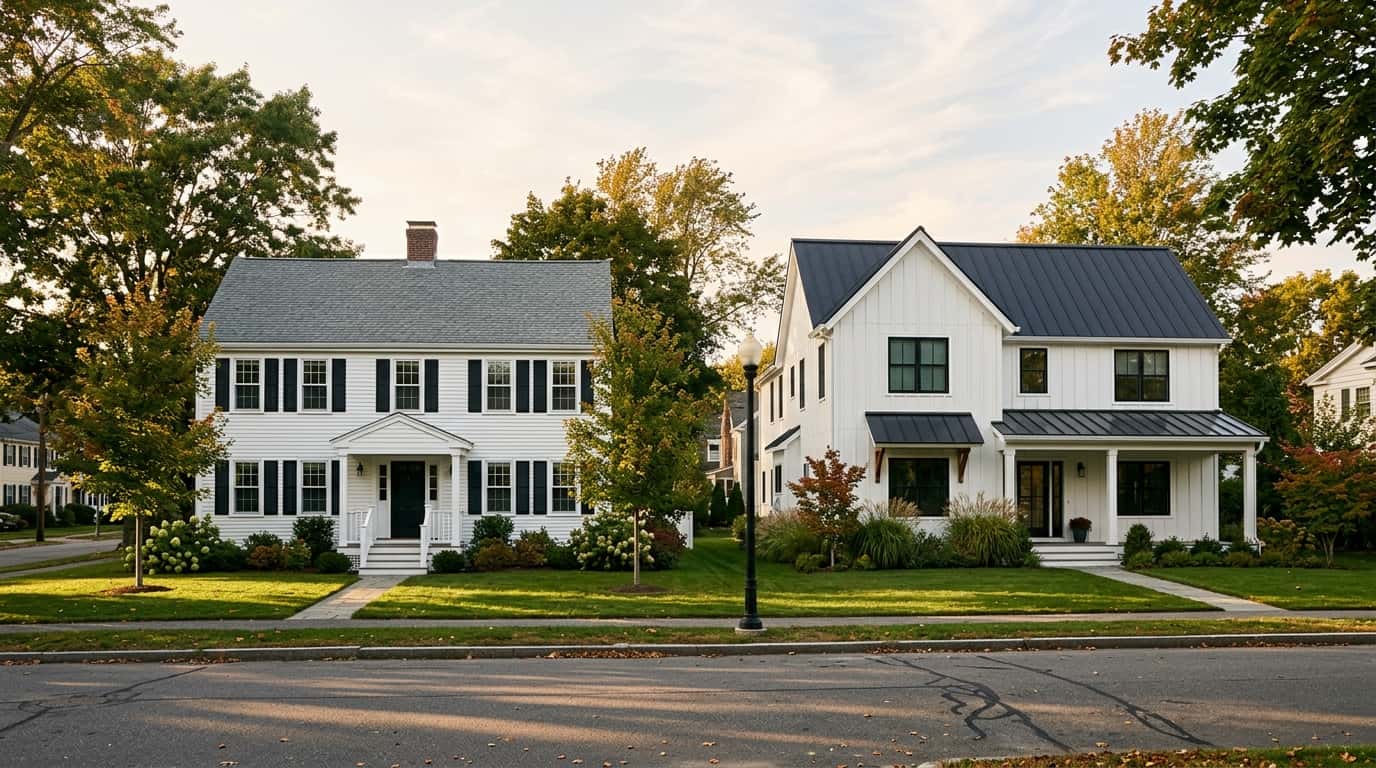
The combinations by house type, where accents go, and how the profiles meet without looking busy.
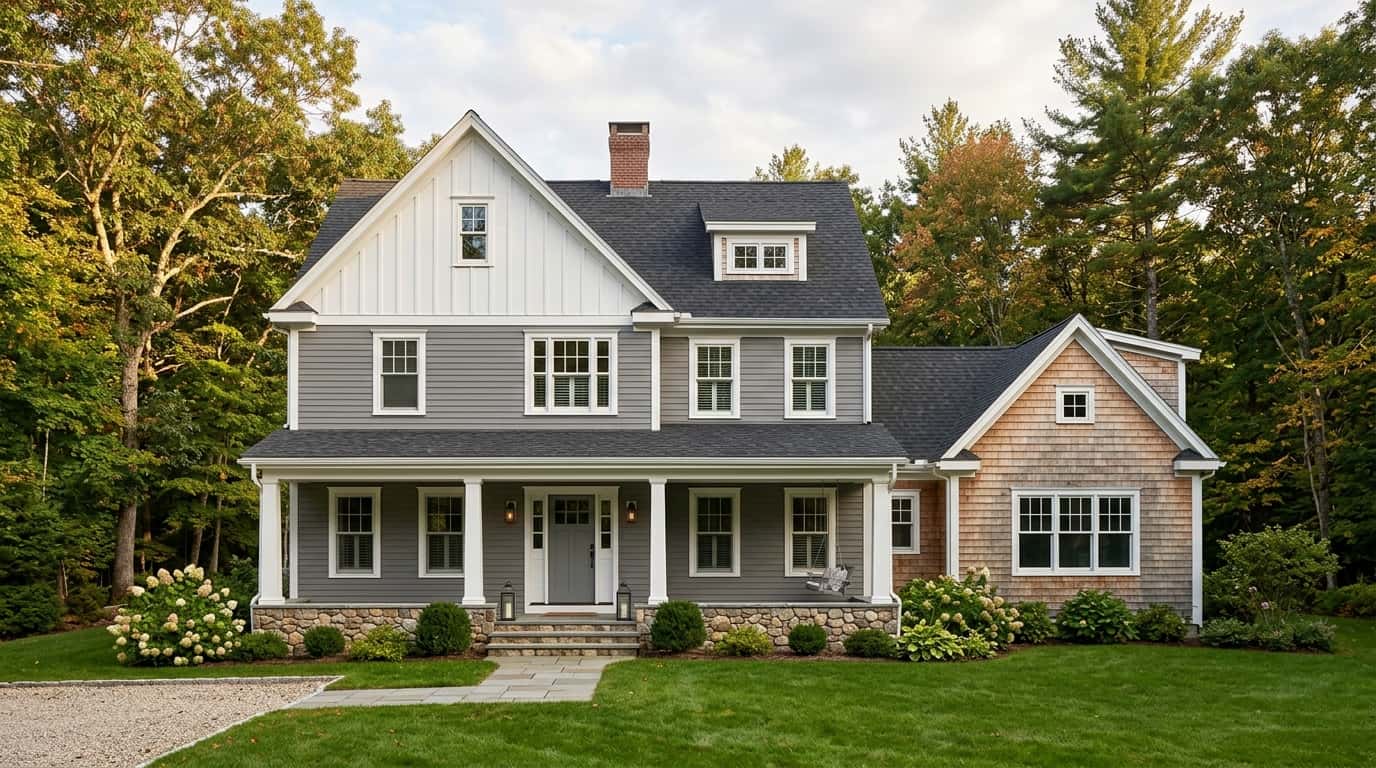
A bolder front, a darker lower story, an accent gable — where a second color works and where it fights.
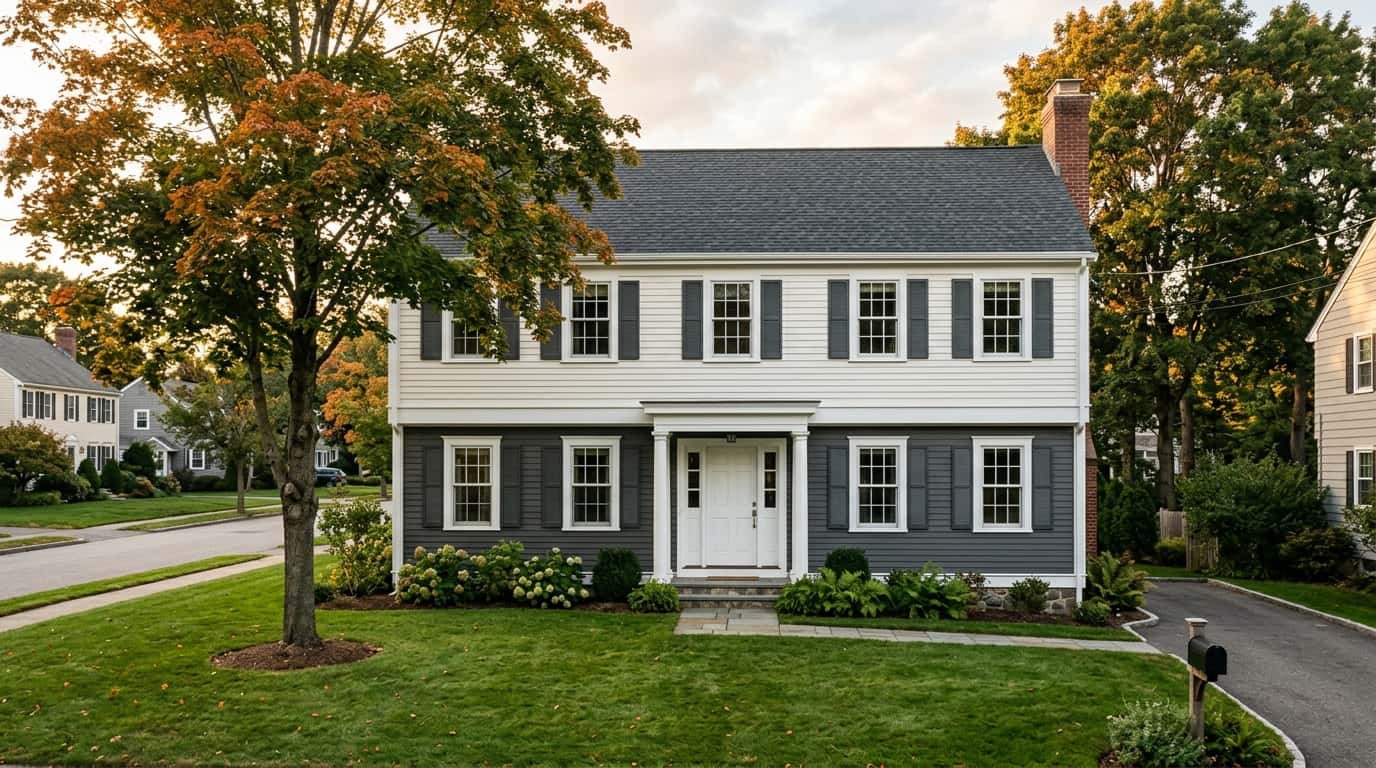
The five style directions and palettes, how TruFit narrows them, and why seeing it on your own house beats imagining it.

Ready for a free in-person siding assessment?
No high-pressure sales. No surprise costs. Just an honest read on your siding and a clear quote from a team that does this all day, every day.
Schedule a Free AssessmentTAKE ONE WITH YOU
Put it into practice.
Two free resources for this stage — compare the materials side by side, then map out what happens when.
Siding Material Comparison Checklist
Vinyl, engineered wood, and fiber cement side by side — look, maintenance, durability, and the cost drivers that separate them.
Get the checklistSiding Project Planning Timeline
The realistic project timeline — what happens when, what you need to decide, and what we handle.
Get the timeline