

Key Takeaways
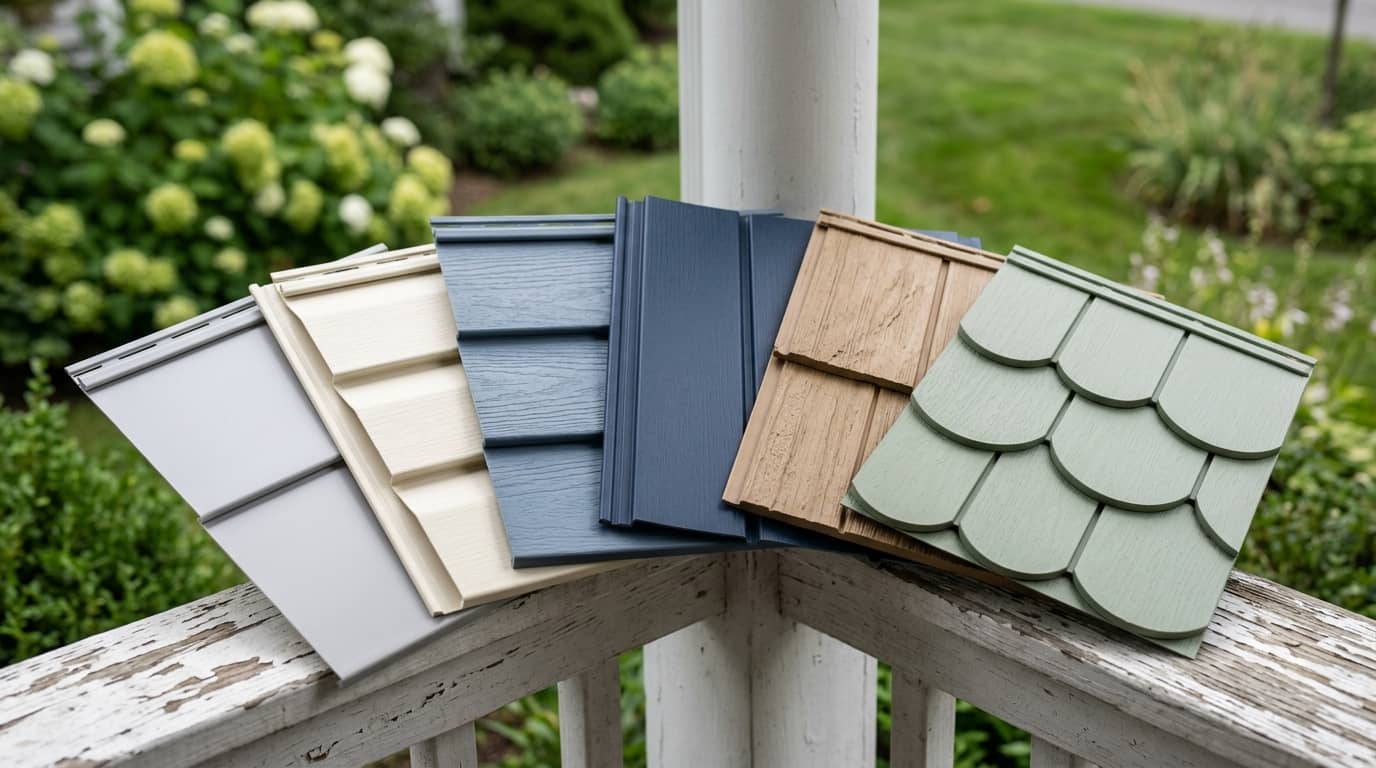
- CertainTeed vinyl comes in distinct lines, each built for a different look: Monogram for everyday clapboard and Dutchlap, CERTAplank and CedarBoards for a foam-backed, flatter wall, Board & Batten for vertical, and Northwoods and Cedar Impressions for shake and shingle.
- None of them needs paint, and all carry CertainTeed’s lifetime limited warranty. The differences are look, panel stiffness, and how much presence you want from the street.
- A thicker or foam-backed panel lies flatter and resists sagging; that’s what you’re paying for as you move up the lines, not a different color chemistry.
- The lines are designed to mix. Shake in the gables over lap on the walls, or board and batten on a garage gable, adds a little to the total, not a lot.
How do the CertainTeed vinyl lines differ?
When a homeowner says “vinyl,” they usually picture one thing: horizontal clapboard. CertainTeed makes that, and it also makes vertical panels, insulated panels, and shake and shinglepanels molded from real cedar. Which line fits you comes down to the look you want and how much presence you want the wall to have up close. Our guide to vinyl siding and how it compares to the other materials covers the big decision; this article goes one level down, to the lines we actually install.
| Line | The look | Right for | Upkeep note |
|---|---|---|---|
| Monogram | Clapboard or Dutchlap, low-gloss wood grain | A clean, updated exterior with the widest color range | Rinse; never paint |
| CERTAplank | Single 7″ clapboard with a foam backer | A flatter, stiffer lap wall that reads closer to wood | Rinse; never paint |
| CedarBoards | Insulated Single 12″ board and batten | Vertical style plus a quieter, thermally improved wall | Rinse; never paint |
| Board & Batten / Reverse | Vertical boards and battens, or the flipped proportion | Farmhouse fronts, gables, and accent walls | Rinse; never paint |
| Northwoods | Vinyl rough-split shakes and perfection shingles | A cedar look on gables or whole walls, no paint | Rinse; never paint |
| Cedar Impressions | Polymer shingles, shakes, and shapes molded from cedar | The closest thing to real cedar without the upkeep | Hand clean only |
When is Monogram the right call?
Monogram is CertainTeed’s everyday line, and it is the one most people mean when they say vinyl. It comes in clapboard and Dutchlap styles with a low-gloss wood-grain finish, in Double 4″ and Double 5″ exposures, and in the broadest color range of any line here. Two details matter more than they sound: a CertaLock locking system that keeps courses tight and straight, and a built-in STUDfinder guide that helps the installer hit framing so the panels stay put in wind.
Monogram fits the homeowner who wants the house to look clean and updated without over-investing, and who values never painting again above everything else. It is also the lap line most often paired with a shake accent from the shingle lines below.
What do CERTAplank and CedarBoards add?
Both lines put foam behind the vinyl face, and that changes how the wall reads. A hollow vinyl panel can show slight waves where it spans framing; a foam-backed panel is stiffer, lies flatter, and feels more like a solid board when you tap it. CERTAplank is a Single 7″ clapboard reinforced with a heavy-duty foam backer, for the rigidity of a hardboard cladding at a fraction of the weight. It fits the homeowner who likes the lap look but wants a flatter, more substantial wall up close. CertainTeed also offers a premium composite CERTAplank PRO board-and-batten panel; ask about it if a vertical look is on the table.
CedarBoards goes a step further with a full insulating panel behind the face. CertainTeed says it can substantially improve the wall’s thermal performance and help quiet outside noise, and the insulation is treated to resist fire and insects while letting vapor breathe. Siding is still the rain screen, not the insulation, so treat the foam as a comfort bonus rather than the reason to buy — see whether siding affects your energy bills for where the real savings live. The CedarBoards profile we install is the Single 12″ insulated board and batten, so it belongs in the vertical conversation below as much as here.
Weigh the materials, not just the lines
Our Siding Material Comparison Checklist puts vinyl, engineered wood, and fiber cement side by side on look, upkeep, and durability — a one-page scorecard to bring to your assessment.
Get the checklistWhich line gives you board and batten?
Three of them, each with a different feel. CertainTeed’s Board & Batten line comes in Single 7″ and Single 8″ panels with wide boards and narrow battens; its interlocking design is built to resist sagging and warping, and it carries a Class 1(A) fire rating. Reverse Board & Batten flips the proportion — narrow boards, wide battens — on a Single 7″ panel reinforced with a foam backer for the rigidity of hardboard. And CedarBoards Single 12″ is the insulated version with the widest board span.
Which fits depends on the proportion you want and whether it goes on a whole elevation or just a gable. We compare vertical siding across vinyl, engineered wood, and fiber cement in board and batten siding materials.
“The mistake we see is buying a whole-house line for one gable. Put the shake where it shows, keep Monogram on the long walls, and the house gets the presence without the wall-by-wall cost of the premium panel everywhere.”
Global Roofing field team — Massachusetts in-home siding assessments
Northwoods or Cedar Impressions for a shake or shingle look?
Both lines give you cedar character without cedar upkeep, and they sit at different points. Northwoods is vinyl shake and shingle: rough-split shakes with the variable pattern of hand-split cedar, perfection shingles with crisper, more uniform edges, and a Straight Edge Perfection option for a sleeker look. No painting, ever. It fits the homeowner who wants shake in the gables or on a whole wall at the vinyl tier.
Cedar Impressions is polymer, not vinyl, and its TrueTexture finish is molded from real cedar shingles, so the grain, splits, and saw marks are copies of actual wood. It comes as Perfection shingles, Sawmill shingles, Rough-Split shakes, and the half-round and scalloped Perfection Shapes that dress a gable or a bay. A molded perimeter lock and reinforced nail slots keep it rigid. It fits the owner who wants up-close cedar realism without staining. One care rule is non-negotiable: hand clean it — power-washing voids the warranty.
Does panel thickness matter, and can you mix lines?
Thickness is the number people quote and rarely understand. On a hollow vinyl panel, a thicker gauge means more rigidity, which means less waviness across framing, less sag over years of summer heat, and better resistance to a cold-weather impact. A foam backer does the same job by a different route. A flatter, stiffer wall is what you’re buying as you move up the lines — and every one of them still needs room to expand and contract. Which is why installation decides longevity more than the line does.
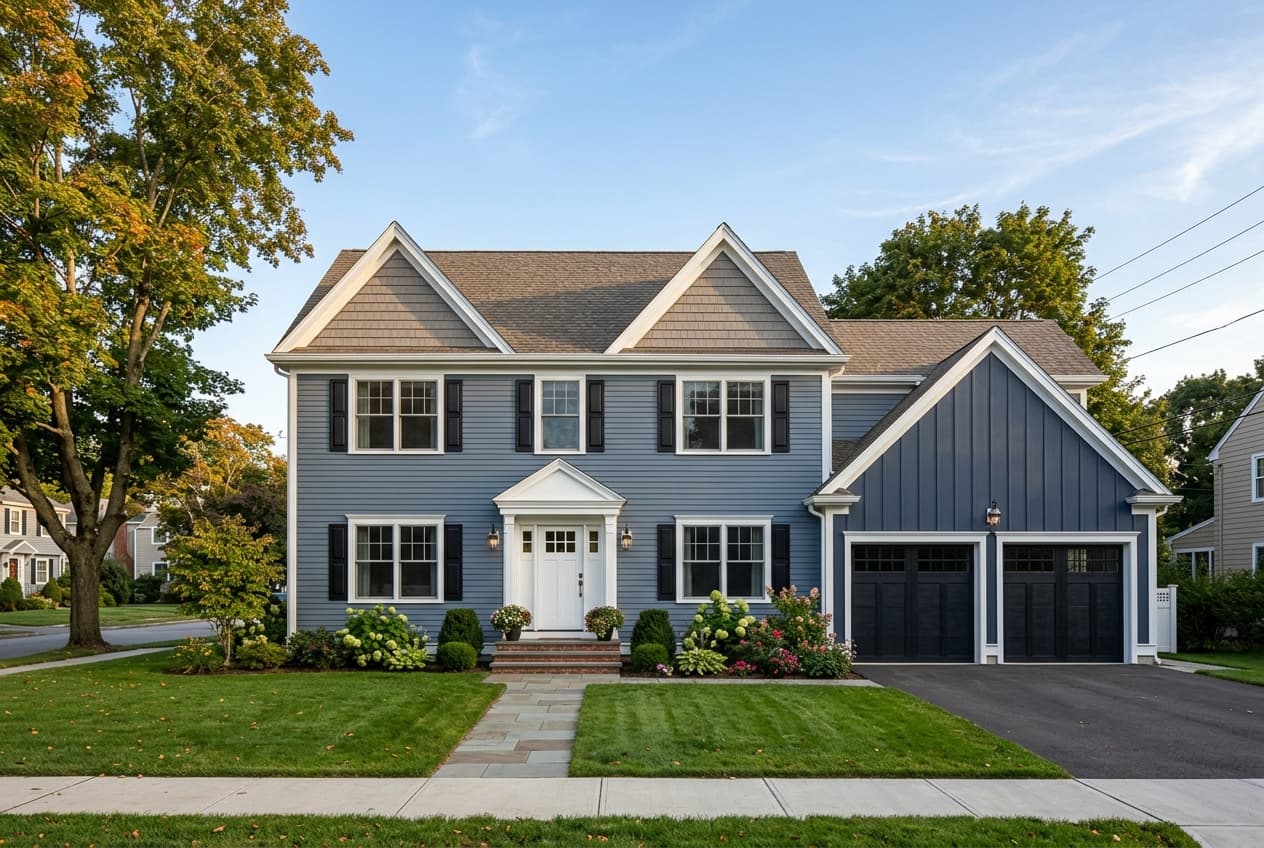
Mixing lines on one house is how the system is meant to be used. Trim, corners, and colors coordinate across the family, so lap on the main walls, shake in the gables, and board and batten on the garage go together cleanly. Because the accent areas are a small share of the wall, a designed look moves the total a little, not a lot — the case we make in whether a custom siding design costs more than a plain one, with the style side covered in our guide to mixing siding styles, materials, and colors. Two last reads: how each line’s color holds up, in does vinyl siding fade, and what the lifetime limited warranty actually covers, in siding warranties compared.
Frequently asked questions
Which CertainTeed siding is best for a New England home?
There isn’t one best line. Monogram is the everyday clapboard and Dutchlap for a clean look with the least upkeep; CERTAplank and CedarBoards add a foam backer for a flatter, stiffer wall; Board & Batten and Reverse Board & Batten go vertical; Northwoods and Cedar Impressions give shake and shingle without paint. All of them handle our weather when installed to spec with room to move.
Is insulated vinyl siding worth it?
It depends on what you want from it. CedarBoards puts a full foam panel behind the face, which CertainTeed says can improve the wall’s thermal performance and quiet outside noise, and it makes the panel stiffer and flatter. Siding still isn’t insulation, so treat the foam as a bonus rather than the reason to buy.
Can you mix CertainTeed shake siding with lap siding?
Yes, and it’s one of the most common ways to give a house presence. Shake or shingle in the gables, lap on the main walls, and board and batten on a garage gable all share matching trim and corner systems. Because accents cover a small share of the wall, the mix moves the total a little, not a lot.
Does CertainTeed vinyl siding need to be painted?
No. Every line here carries its color through the panel and is designed never to need paint; painting over the factory finish voids the warranty. Routine care is a rinse with a hose and mild detergent — hand cleaning only on Cedar Impressions.
How we wrote this guide
This article reflects the CertainTeed lines Global Roofing installs on Massachusetts and New England homes, with every product description checked against CertainTeed’s own product pages and the Vinyl Siding Institute’s installation guidance. It was reviewed for accuracy by a licensed Massachusetts contractor on our team. See our full editorial process for how we research and update every article.
Sources
- CertainTeed — Monogram vinyl siding (styles, finish, locking system, warranty). certainteed.com
- CertainTeed — Board & Batten vinyl siding (profiles, thickness, fire rating, care). certainteed.com
- CertainTeed — CedarBoards insulated board & batten (insulation, thermal and noise claims). certainteed.com
- CertainTeed — Northwoods shakes and shingles, and Cedar Impressions polymer shingles (profiles, TrueTexture, care). certainteed.com
- Vinyl Siding Institute — installation standards (expansion allowances and fastening). polymericexteriors.org