
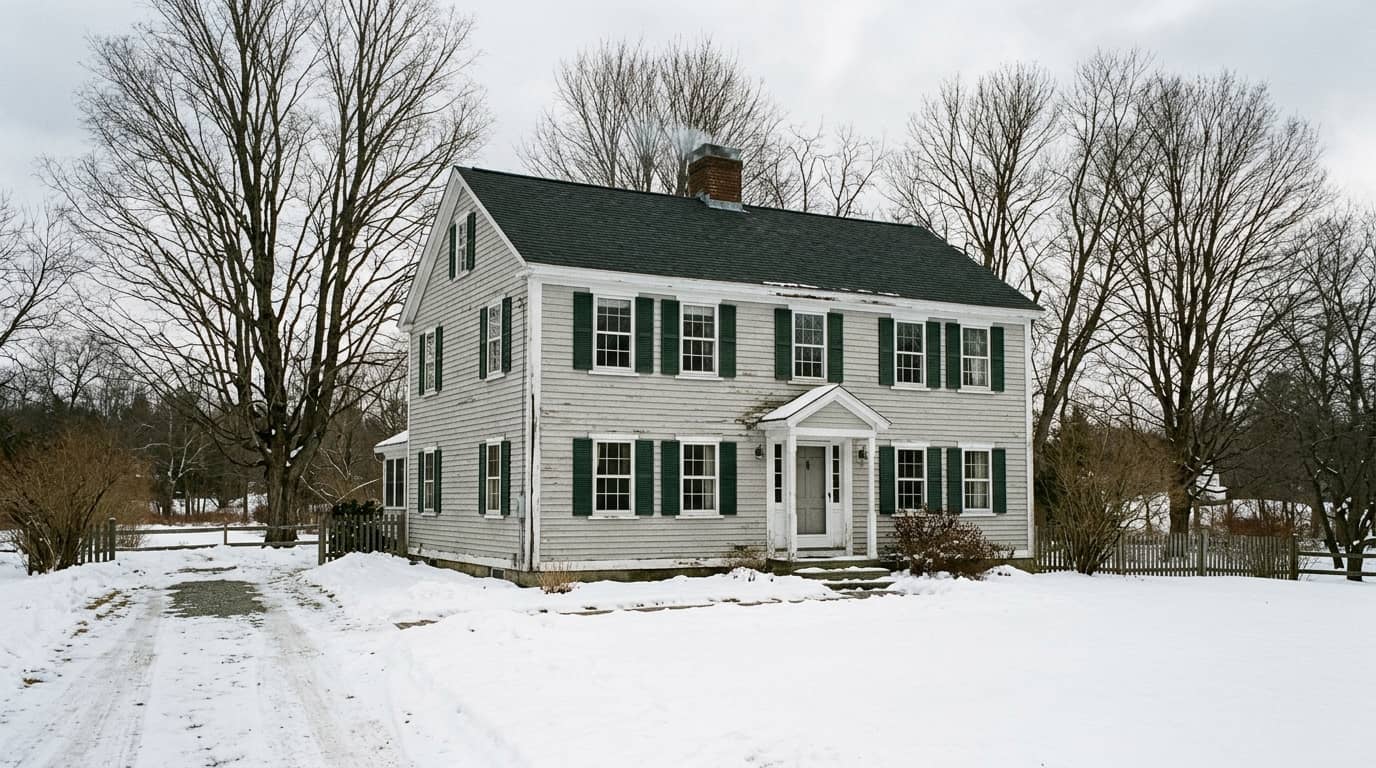

Key Takeaways
- Siding is not insulation. It’s the outer rain screen. The insulation in the wall cavity and the air barrier behind the siding are what hold heat in.
- Old siding raises bills only when the wall system starts leaking — gaps that let wind through, a torn weather barrier that lets water in, or insulation that got wet and stopped working.
- Windows, attic insulation, and utility rates are far more common reasons a bill climbs. Rule those out before you blame the siding.
- A no-cost Mass Save home energy assessment is the neutral way to find out where your house is losing heat before you decide anything.
Can old siding really raise your energy bills?
Yes, but usually not by itself, and not in the way most people picture. Siding doesn’t keep your house warm. What it does is protect the layers that do. When siding gets old enough to crack, loosen, and pull away from trim, it stops protecting those layers, and that’s when a wall starts letting air and water through. The higher bill and the draft along the living-room wall are symptoms of the whole wall leaking, and old siding is often the first visible sign of it.
So the useful question isn’t “is my siding costing me money?” It’s “is my wall leaking, and is the siding part of why?” That’s a question you can answer, and it’s one piece of the bigger read on whether you need new siding at all, where energy bills sit alongside the visible signs.
What does siding actually do for your wall?
An exterior wall is a stack of layers, each with one job. From the outside in:
- Siding sheds rain, blocks sun and wind, and takes the wear. It’s the rain screen.
- The weather-resistive barrier (house wrap or building paper) is the layer that actually keeps water and moving air out of the wall.
- Sheathing is the wood panel the wall is built on. It gives the wall its strength and a surface to fasten to.
- Insulation in the wall cavity is what slows heat from leaving in winter and entering in summer. This is the layer your bill depends on.
Standard vinyl, engineered wood, and fiber cement siding add very little insulating value on their own. ENERGY STAR’s guidance is plain about this: insulation and air sealing control heat loss through a wall, and both live behind the siding. Foam-backed vinyl adds a modest amount, but the wall cavity does the heavy lifting. If your walls were never insulated, common in New England homes built before the 1970s, new siding alone won’t change that.
How does failing siding turn into a higher bill?
A wall leaks heat in two ways: air moving through it, and water getting into it. Old siding opens the door to both.
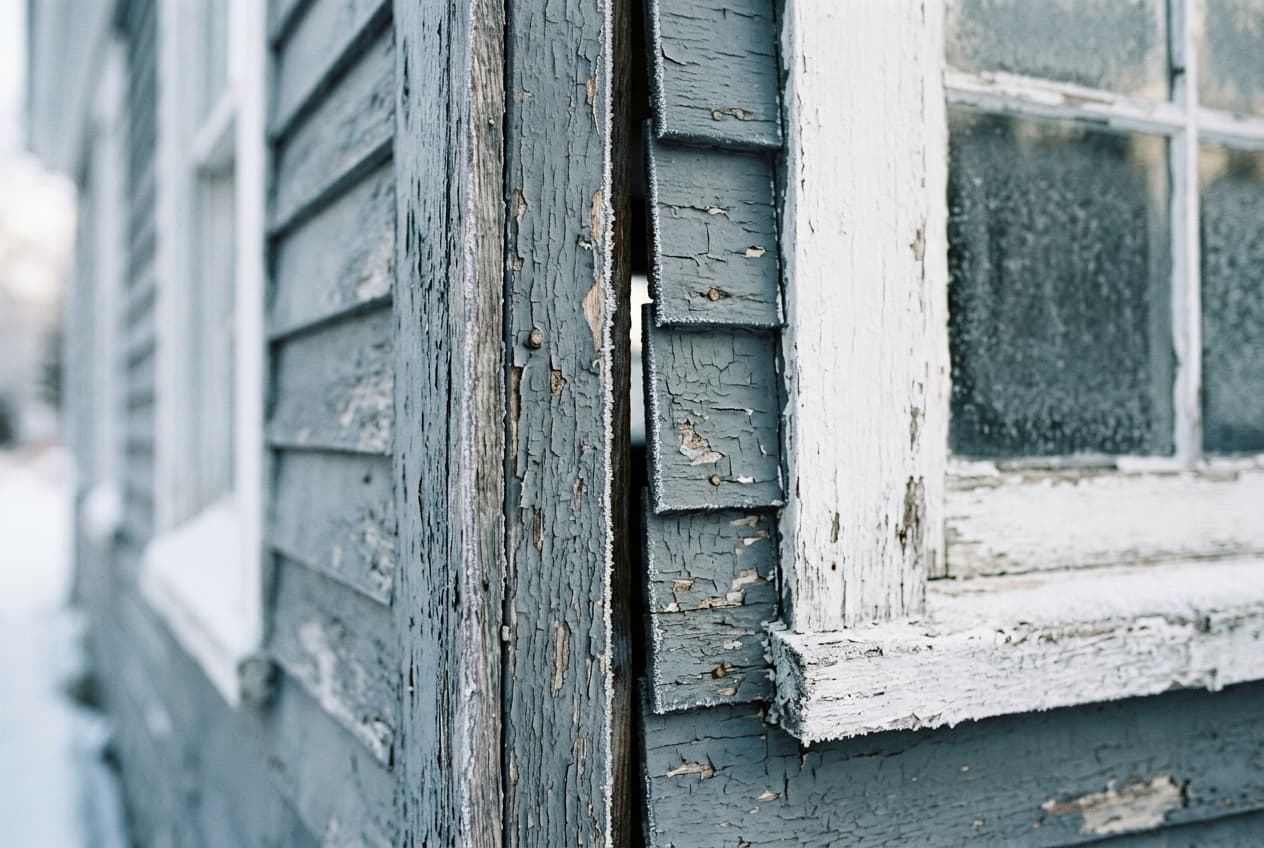
- Gaps let wind through. Siding that’s cracked, warped, or pulled away from trim lets wind reach the layers behind it. If the weather barrier is torn, that air goes into the wall cavity and, through outlets and baseboards, into the room. That’s the draft you feel.
- Water gets in and wets the insulation. This is the bigger one. Wet fiberglass or cellulose loses much of its ability to hold heat, and it stays wet for a long time inside a closed wall. A wall that took on water years ago can be performing like an uninsulated wall today, with nothing visible from inside.
- Rot at the sills and framing opens permanent paths for air where the wall meets the foundation, a spot ENERGY STAR’s sealing guidance flags as one of the biggest air-leakage points in a house.
None of these is “the siding is thin.” They’re all the siding failing at its real job: keeping the rest of the wall dry. We cover how to tell if water is getting in behind your siding separately.
What should you rule out before blaming the siding?
Most higher bills have a more ordinary cause, and it’s worth clearing those first so you don’t re-side a house that needed attic insulation. In rough order:
- Your rate changed. Compare usage, not dollars. Massachusetts electric and gas supply rates move seasonally; if your kilowatt-hours or therms are flat and the bill is up, it’s the rate.
- The attic. Heat rises, and the attic floor is usually the cheapest, biggest fix in a New England home. Thin or uneven insulation up there will outrun any wall problem.
- Windows and doors. Drafts at the sash, failed weatherstripping, and single-pane glass are far more common sources of a cold room than the wall around them.
- The heating system. An aging boiler, dirty filters, or duct leaks raise bills without any change to the house shell.
If you’ve checked those and the numbers still don’t add up, the walls move up the list. The neutral way to confirm it is a home energy assessment: in Massachusetts, Mass Save offers one at no cost through the utilities, and the specialist checks insulation, air leakage, and the heating equipment without selling siding. If the report points at the attic, you’ve saved yourself a much bigger project.
Want a straight read on the wall itself?
Our free in-person siding assessment looks at the condition of the siding, the trim, and what we can see of the barrier behind it — and tells you honestly whether it’s part of your problem or not.
Get a free siding assessmentHow can you tell if your siding is part of the problem?
The clues that point at the wall rather than the windows tend to show up together, inside and out:
- Drafts in the middle of an exterior wall, not just at a window or door. Hold a hand near outlets and baseboards on a windy day.
- Cold spots you can feel on the inside of an exterior wall that line up with damaged siding outside.
- Condensation, staining, or peeling paint on the inside of that wall, which usually means water, not just air, is getting through.
- Visible trouble outside on the same wall: siding pulled away from trim, cracked or missing pieces, soft spots low on the wall. The full list of signs your siding is failing is worth a walk around the house with.
Old siding that’s faded but tight, with no drafts and no interior symptoms, is almost never why a bill went up. The pillar guide covers this under the signs behind the wall, and the rule holds here: the calendar doesn’t cost you money, the condition does.
“When someone tells us their bills jumped, the first thing I ask is what the attic looks like. Then the windows. Siding is usually third. But when we pull a course off a wall that’s been leaking for years and the insulation comes out wet, that wall has been running like it had nothing in it. Nobody can see that from the living room.”
Global Roofing field team — Massachusetts in-home siding assessments
Will new siding lower your bills?
It can help, but be clear about why. Re-siding is the one time the wall is open: a new weather-resistive barrier, proper flashing, and the chance to add exterior foam or fill empty cavities before the new siding goes on. Insulation commonly rides along with a siding project, covered in our cost guide under what gets added when you re-side. Any material in the three-product lineup performs about the same on energy once the wall behind it is done right, so choose the siding for fit and look.
If the wall is wet as well as leaky, see what hidden costs come up in a siding project.
What we won’t do is promise a savings number from siding alone; the result depends on what the wall looked like before and what goes into it during the job.
Frequently asked questions
Can old siding cause high energy bills?
Sometimes, but not on its own. Siding is the rain screen, not the insulation. Bills climb when the wall system leaks: gaps let wind through, a torn barrier lets water in, and wet insulation stops holding heat. Rule out windows, the attic, and rate changes first.
Does siding insulate a house?
Very little. Its job is to shed rain and shield the barrier, sheathing, and cavity insulation behind it, and the cavity insulation is what holds heat. Foam-backed vinyl adds a modest amount, but the wall does the real work.
How do I know if drafts are coming from my siding?
Drafts along the middle of an exterior wall, cold spots that line up with damaged siding outside, and dampness or staining on the inside of the same wall point to the wall itself. Drafts only at windows and doors usually mean the siding isn’t the story.
Will new siding lower my energy bills?
It can, mainly because re-siding opens the wall for a new weather barrier, proper flashing, and added insulation. The panels themselves aren’t what saves energy; the air sealing and insulation underneath are. A specific savings figure from siding alone is a guess.
How we wrote this guide
This article reflects what Global Roofing sees inside real Massachusetts and New England walls, checked against ENERGY STAR guidance on air sealing and insulation, EPA guidance on moisture control in buildings, and Mass Save’s home energy assessment program. It was reviewed for accuracy by a licensed Massachusetts contractor on our team. See our full editorial process for how we research and update every article.
Sources
- ENERGY STAR — Seal and Insulate (where houses leak air, and how air sealing and insulation work together). energystar.gov
- U.S. Environmental Protection Agency — Moisture Control Guidance for Building Design, Construction and Maintenance (how water gets into walls and why trapped moisture damages them). epa.gov
- Mass Save — Home Energy Assessments (the no-cost Massachusetts program). masssave.com