

Key Takeaways
- Age alone isn’t a verdict. What decides whether siding needs to go is its condition — and how widespread the problems are.
- The visible signs to watch: warping or buckling, cracks and holes, rot or soft spots, paint that won’t hold, heavy fading, and loose or missing pieces.
- Some of the most important signs are inside — rising energy bills, new drafts, and moisture on interior walls can all point back to the siding or the barrier behind it.
- A repair is often right when damage is isolated; replacement makes sense when the trouble is everywhere or you’re fixing the same spots over and over.
- Trapped moisture behind the siding is the sign that matters most. That’s the real reason to act — not the calendar.
How to tell if you actually need new siding
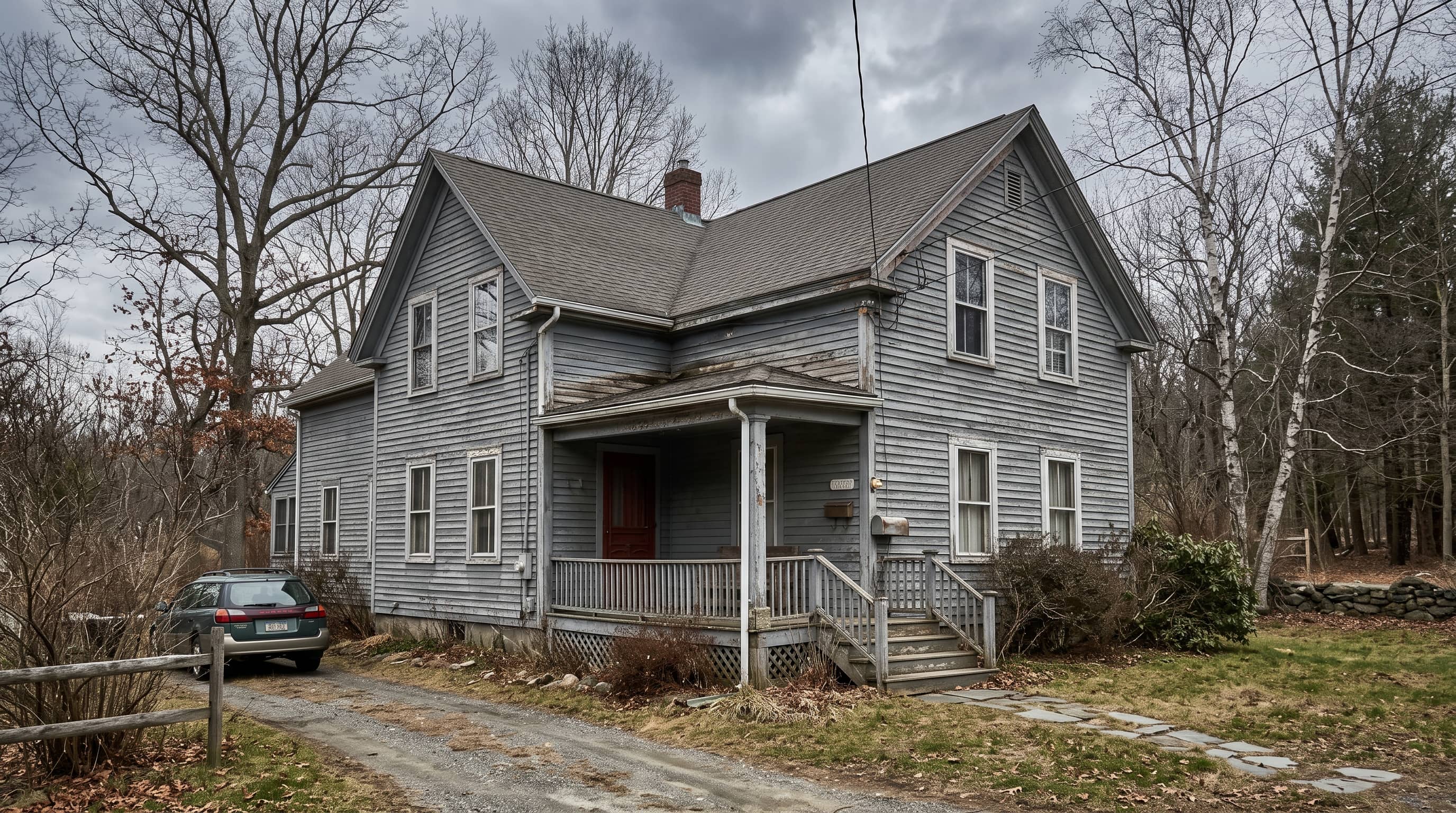
Siding doesn’t come with an expiration date. Two identical homes built the same year can be in completely different shape a couple of decades later — one still solid, the other quietly letting water into the walls. So the useful question isn’t “how old is my siding?” It’s “what condition is it actually in?”
That’s good news, because condition is something you can see and check. This guide walks through the signs that point to replacement, the ones that point to a simple repair, and the ones that mean your siding is doing its job just fine. We’ll start with what you can spot from the yard, then get to the signs that hide behind the wall — because those are often the ones that matter most.
The visible signs your siding is failing
Walk the perimeter of your house on a bright day and look closely. These are the signs that tell you the siding is wearing out, not just looking tired:
- Warping or buckling. Panels that wave, bulge, or pull away from the wall have usually taken on moisture or moved with heat and cold. It’s one of the clearer signs something is going wrong.
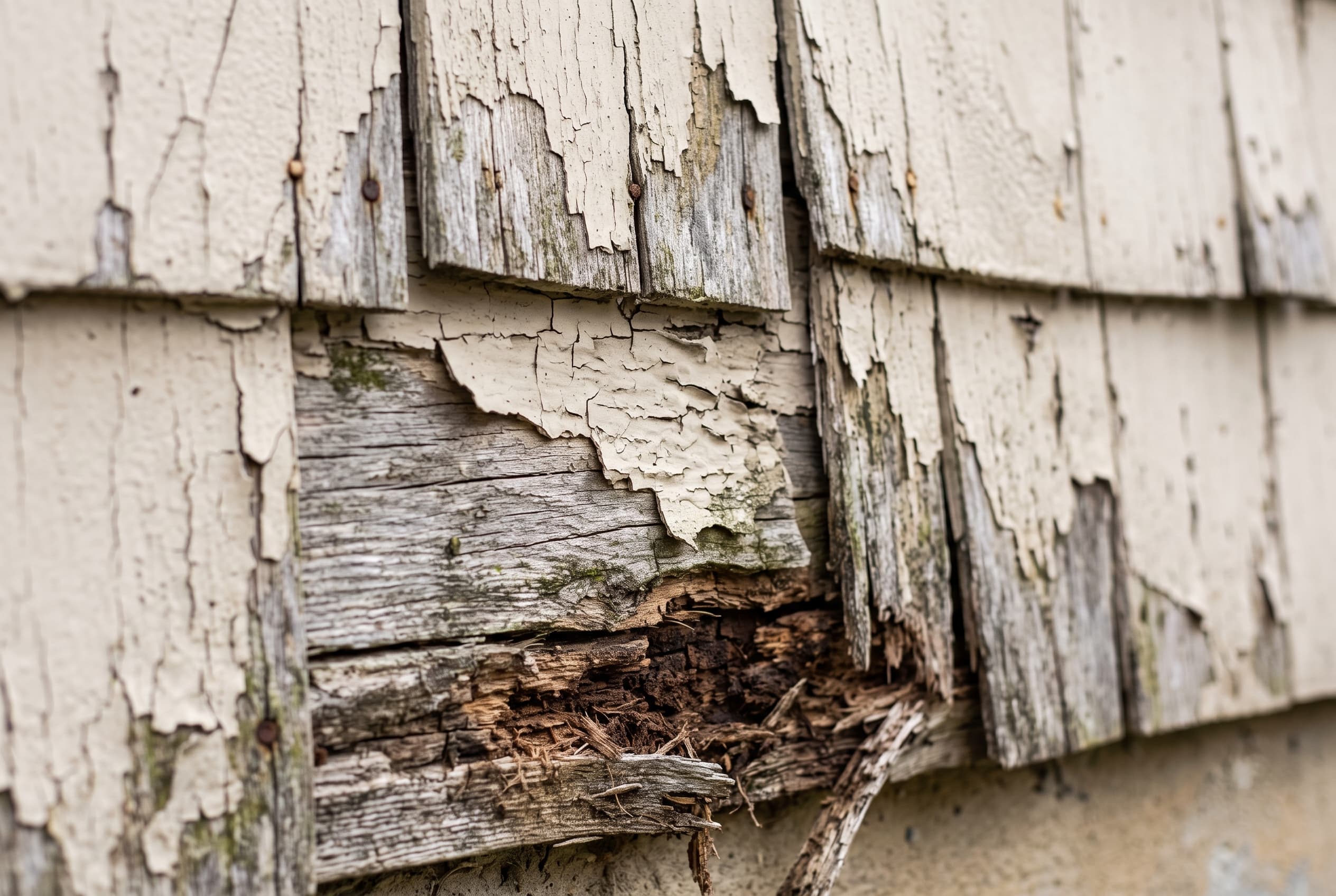
- Cracks and holes. Splits, punctures, and chips are open doors for water. A few are a repair; a lot of them, spread around the house, is a pattern.
- Rot or soft spots. Press gently on wood or composite siding near the ground and around windows. If it gives, it’s rotting — and rot rarely stays put.
- Paint that won’t hold. If you’re repainting far more often than you used to, the siding may no longer be holding a finish the way it should.
- Heavy fading. Some fading is normal. Deep, uneven fading can mean the material is breaking down, and on older products it can hint the surface is no longer shedding water well.
- Loose or missing pieces. Siding that’s come loose leaves the wall behind it exposed. Even one gap can let water track in.
- Mold or mildew that keeps coming back. Cleaning it and having it return quickly can mean moisture is feeding it from behind, not just settling on the surface.
For a closer look at each of these — what causes it and what it usually means — see what the signs you need new siding actually look like. And if what you’re seeing is green or black growth, mold or algae on siding is usually a cleaning job, not a replacement — unless it keeps coming back.
The signs behind the wall
Some of the most telling signs never show up as damage you can point to. They show up on your energy bill and on the inside of your house.
Siding is the outer layer of a system that’s supposed to keep water and air out of your walls. When it starts to fail — or when the weather-resistant barrier behind it does — that system leaks. Watch for:
- Rising heating and cooling bills. If your energy costs have climbed without an obvious reason, a wall that’s no longer sealing well can be part of it.
- New drafts or cold spots along exterior walls, especially in winter.
- Moisture, staining, or bubbling on the inside of exterior walls — a sign water may be getting past the siding and into the wall.
None of these proves the siding is the culprit on its own. But together with visible wear outside, they build a case that water and air are moving through the wall when they shouldn’t be.
We take each of these further in whether old siding can raise your energy bills and how to tell if water is getting in behind your siding.
How long siding lasts, by material
How long your siding should last depends more on the material and the install than on any single number. Here’s the honest shape of it:
- Vinyl is long-lasting and low-maintenance. It doesn’t need paint, and a good install rides out New England weather for a very long time.
- Engineered wood (LP SmartSide) is durable, but like any painted surface it wants repainting over the years to reach its full life.
- Fiber cement (James Hardie) is among the longest-lasting siding you can put on a house, holding up to weather and impact better than the others.
The catch: a poor install or years of trapped moisture can cut any of these short, and good care can stretch them. That’s why condition beats age every time. For a full breakdown of how each material lives and lasts, see our guide to siding materials compared.
For the honest numbers on service life versus warranty — and what stretches or shortens each material here — read how long siding lasts in New England.
Repair or replace: how to decide
Not every problem means a whole new exterior. The deciding factors are how widespread the trouble is and how much service life the siding has left. Here’s the honest split:
| A repair usually makes sense when… | Replacement usually makes sense when… |
|---|---|
| The damage is isolated to a few pieces or one area, and the rest of the siding is sound. | The same problems show up across multiple walls — it’s a pattern, not an accident. |
| The material is still in good shape and has real life left in it. | The siding is near the end of its service life and no longer holding up. |
| A single storm or impact caused a specific, fixable spot. | You’re repairing the same areas again and again, and the fixes keep coming. |
| There’s no sign of moisture behind the siding. | Water or rot has gotten behind the siding and into the wall. |
The trap is spending on repair after repair for siding that’s genuinely done — those add up, and they don’t fix the underlying problem. If storm or impact damage is part of your picture, it may also be worth checking with your insurer before you decide; coverage depends on the cause. We keep the focus here on the condition of the siding itself.
If you’re on the fence, our walkthrough of whether to repair or replace damaged siding goes through the decision one factor at a time.
What New England does to siding
Our climate is hard on a home’s exterior, and it speeds up every one of the signs above. A few forces do most of the work:
- Freeze-thaw. Water works into a small crack, freezes, expands, and widens it — then does it again the next cold night. Small flaws grow into real ones over a New England winter.
- Wind-driven rain. Storms push water sideways and upward, finding gaps that shed a gentle rain just fine. Loose or cracked siding is far more exposed than it looks on a calm day.
- Ice, snow, and trapped moisture. Snow that sits against the base of a wall and ice that backs up at the roofline keep the lower siding wet for long stretches — exactly the conditions that cause rot and mold behind it.
This is why siding that would coast along in a mild climate can wear out sooner here — and why the details of how it’s installed matter so much in New England.
The sign that matters most: moisture behind the siding
If there’s one thing that turns “keep an eye on it” into “let’s deal with this,” it’s moisture getting trapped behind the siding. Everything else — a crack, a faded panel — is cosmetic until water gets involved.
Siding isn’t a sealed shell. It’s designed to work with the layers behind it to manage water: some rain will always get past the surface, and a proper wall guides it back out. When siding fails or was installed poorly, water gets in and has nowhere to go. Trapped against the sheathing, it causes the rot, mold, and soft framing that are expensive to ignore. That’s the real reason to act — not the age on paper, but water where it doesn’t belong.
Not sure whether that’s what you’re looking at? Start with the signs water is getting behind your siding — and if the clue is dark staining that keeps returning, what mold and mildew on siding really mean.
Find out what’s really going on
The only way to know whether water is getting behind your siding is to look. Our free in-person assessment checks the condition honestly and tells you whether it’s a repair, a replacement, or fine for now.
Get a free siding assessment“Homeowners brace for us to say the whole house needs siding. Plenty of times the answer is ‘you’ve got good years left’ or ‘this is a repair.’ The moment it changes is when we find water behind the siding — that’s when waiting starts costing you the wall, not just the siding.”
Global Roofing field team — Massachusetts in-home estimates
When the answer is “it’s fine for now”
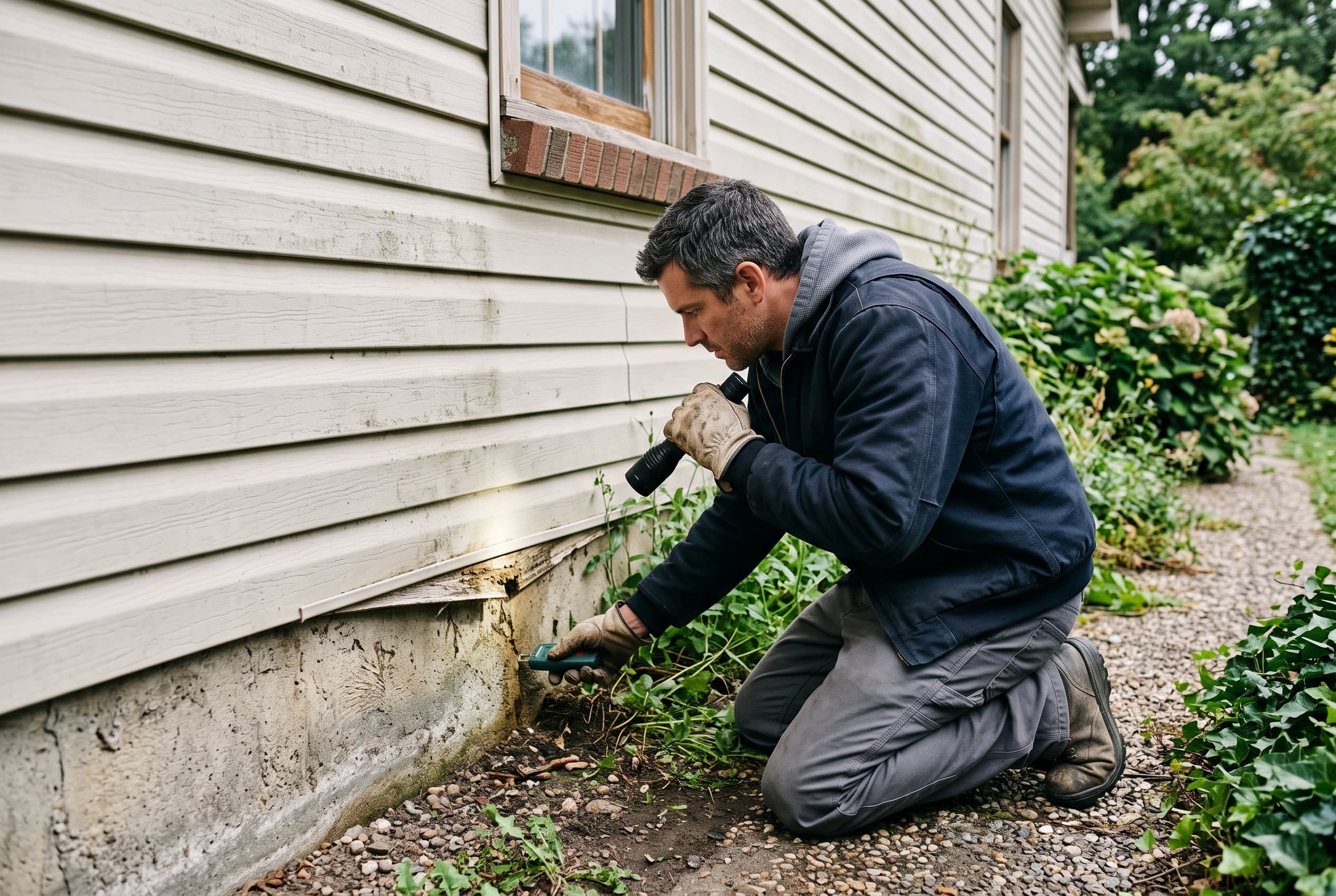
Sometimes the honest answer is that your siding is doing its job. Faded or dated siding that’s still sound doesn’t need to be torn off — a cleaning, a repair, or eventually a repaint may be all it wants. And a single damaged area on an otherwise healthy wall is a repair, not a project.
The point isn’t to talk yourself into new siding. It’s to know where you actually stand — so you can plan on your terms instead of reacting to a leak. If the signs are adding up, the next move is a real look at the condition. From there, if replacement is the right call, you can move on to choosing the right material and, when you’re ready to get bids, hiring the right contractor.
And if the reason you’re asking is a listing date, we cover whether to replace siding before you sell separately — the answer depends on condition, not the calendar.
Frequently asked questions
How do I know if I need new siding or just a repair?
It comes down to how widespread the problem is and how much life the siding has left. Isolated damage on otherwise sound siding is a repair. Trouble across the whole house, material near the end of its life, or moisture getting behind the siding all point toward replacement.
What are the signs that siding needs to be replaced?
Warping or buckling, cracks and holes, rot or soft spots, paint that won’t hold, heavy fading, and loose or missing pieces. Inside, rising energy bills, new drafts, and moisture on exterior walls can all point back to failing siding or the barrier behind it.
How long does siding last on a house?
It depends on the material and the install. Vinyl is long-lasting and low-maintenance; engineered wood is durable but wants repainting over time; fiber cement is among the longest-lasting. New England weather can shorten any of them, so condition tells you more than age.
Can old siding cause high energy bills?
It can. When siding or the barrier behind it fails, air and moisture move through the wall more freely and your heating and cooling work harder. Rising bills plus new drafts along exterior walls are worth having someone check.
Does mold on siding mean I need to replace it?
Not by itself. Surface mold can often be cleaned off sound siding. The concern is mold that keeps returning or that signals moisture trapped behind the siding — that’s a reason to look closer.
Should I replace siding before selling my house?
If it’s genuinely failing or looks rough from the street, replacing it tends to help first impressions and the sale. If it’s dated but sound, a repair or refresh may be enough. The honest answer comes from the actual condition, not a rule of thumb.
How we wrote this guide
This guide reflects what Global Roofing sees on real Massachusetts and New England homes, cross-checked against independent guidance from Consumer Reports and This Old House and manufacturer resources on when to re-side. It was reviewed for accuracy by a licensed Massachusetts contractor on our team. See our full editorial process for how we research and update every guide.
Sources
- Consumer Reports — Siding Buying Guide (materials, condition, and performance). consumerreports.org
- This Old House — All About Siding (repair, replacement, and warning signs). thisoldhouse.com
- James Hardie — Deciding to Re-Side (signs it’s time). jameshardie.com
- U.S. Environmental Protection Agency — Moisture Control Guidance for Building Design, Construction and Maintenance (how water gets into walls and why trapped moisture damages them). epa.gov