


Key Takeaways
- The material gets the attention, but the installer decides how long any siding lasts — siding is a water-management system, not a raincoat.
- Vet for the basics first: licensed and insured (with a certificate of insurance on request), a local track record with real references, and an in-house crew that does this every day.
- A good estimate is a total price plus a full written description of the company, the scope, and the exact materials by brand — not a confusing line-by-line breakdown.
- Be wary of a bid far below the others. It usually means the hidden work — house wrap, flashing, prep — was left out.
- A real project runs assessment → written proposal → prep and tear-off → repair any rot → water barrier and flashing → siding to spec → cleanup and a final walk-through.
Why the installer matters more than the material
When homeowners plan new siding, almost all the energy goes into the material — vinyl versus engineered wood versus fiber cement. That decision matters, and we walk through it in our siding materials guide. But here’s the part the brochures skip: the best material on the market will fail early if it’s installed on a wall that can’t manage water.
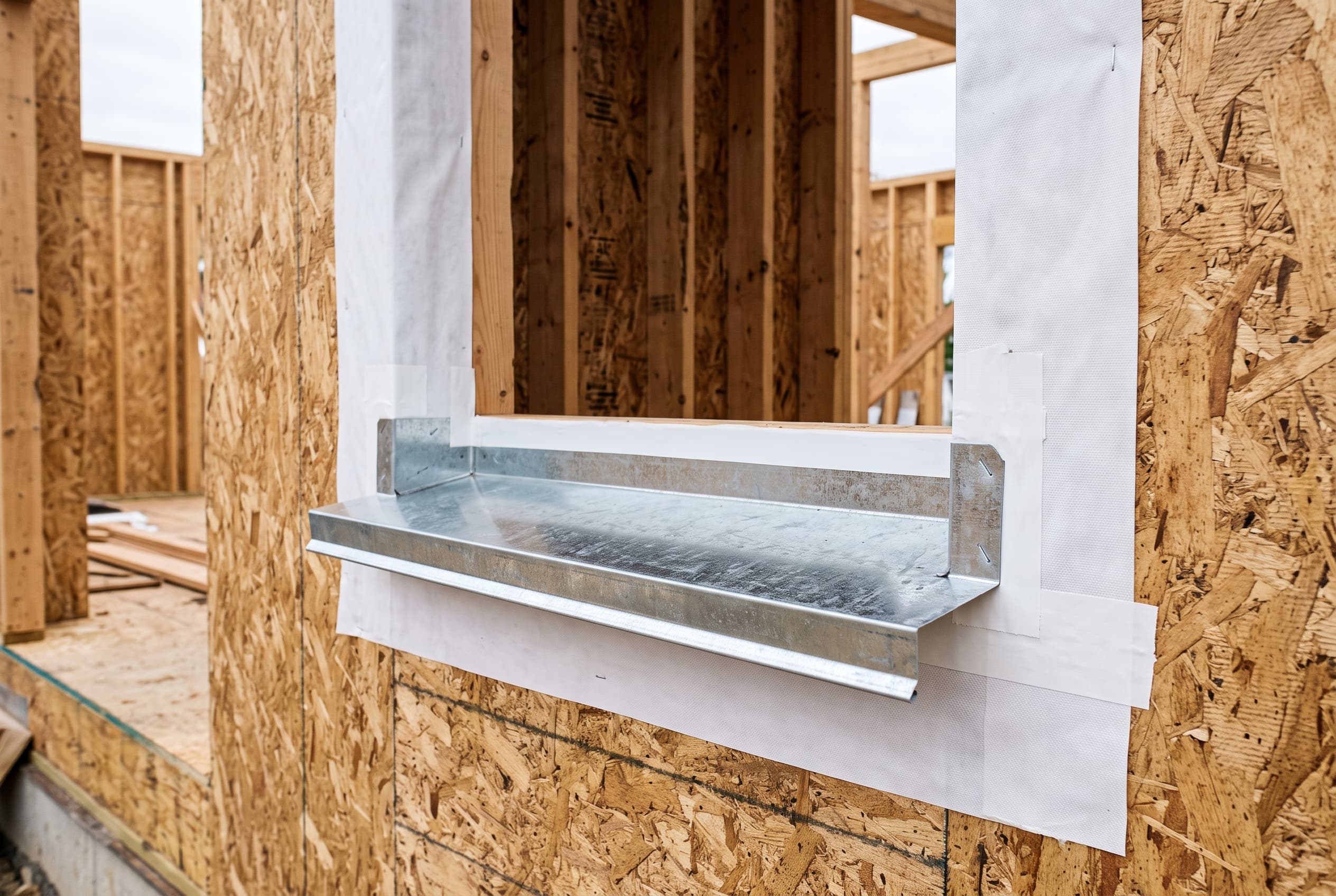
Siding isn’t a raincoat draped over your house. It’s the outer layer of a system, and what’s behind it — the weather-resistant barrier, the flashing at every window and door, the way each piece is fastened — is what actually keeps your home dry. That work is invisible once the job is done, which is exactly why it’s the first thing a cut-rate crew skips. So the most important choice you make isn’t the material. It’s the contractor. This guide is how to pick one, and what a good project looks like once you have.
Which is why it matters whether the crew is in-house or subcontracted.
How to vet a siding contractor
You don’t need to be an expert to separate a solid contractor from a risky one. A handful of things tell you most of what you need to know.
- Licensed and insured. In Massachusetts, home improvement contractors are registered with the state, and a real company carries both liability and workers’ compensation insurance. Ask for a certificate of insurance (COI) — a legitimate contractor provides one on request without hesitation.
- A local track record. Look for a company that works in your area, with references you can actually call and real photos of finished projects — not stock images. Local accountability matters when you may need someone to stand behind the work years from now.
- An in-house crew. Ask whether the people on your house work for the company or are day-of subcontractors. An in-house crew that installs siding every day is more consistent, more accountable, and easier to hold to a standard.
- Manufacturer familiarity. The material you pick should be one the crew installs regularly. We install CertainTeed vinyl, LP SmartSide engineered wood, and James Hardie fiber cement, and each has its own handling and detailing.
- A written warranty on both parts. There are two warranties that matter: the manufacturer’s warranty on the material, and the contractor’s warranty on the workmanship. Get both in writing.
Questions to ask before you hire
Bring these to any siding contractor you’re considering. How they answer tells you as much as what they charge.
For each of these, what a good answer sounds like is in the questions to ask a siding contractor.
| What to ask about | The question |
|---|---|
| The company | Are you licensed and insured, and can you provide a certificate of insurance? How long have you worked in this area? |
| The crew | Is the crew in-house or subcontracted? Who’s my point of contact during the project? |
| Scope & materials | Which material and product line are you quoting, and why is it right for my home? Is tear-off included? |
| The hidden work | How do you handle the water barrier and flashing behind the siding? What happens if you find rot during tear-off? |
| The job site | Do you pull the permit? How do you protect landscaping, and how is cleanup handled? |
| The warranty | What does the warranty cover on the materials, and what do you cover on the workmanship? |
Get straight answers in person
The best way to size up a contractor is to have them walk your home and talk through the project. Our free in-person assessment does exactly that — with a clear, written plan at the end and no obligation.
Get a free siding assessmentHow to read a siding estimate
A good estimate isn’t a wall of line items. It’s a total price paired with a full written description of three things: the company (license, insurance, and the warranties behind the work), the exact scope of the job, and the specific materials by brand and product line. That’s what lets you compare one bid against another honestly — you can see precisely what you’re getting.
You don’t need a per-piece breakdown of materials and labor to compare bids well, and chasing one usually just adds confusion. What you want is clarity on the whole system: is tear-off included, is the house wrap and flashing spelled out, is rot repair addressed, and which product line is going on the house. For what actually moves the total price, see what new siding costs and whether it’s worth it.
Once the estimate becomes a contract, the details that protect you — deposit, permit, change orders, dates — are covered in what a siding contract should include.
Red flags to watch for
Most siding regret traces back to a few warning signs that were visible before the contract was signed.
- A bid far below the others. Honest siding costs roughly the same to do right. A number well under the pack usually means the hidden work — house wrap, flashing, prep, rot repair — got left out.
- Pressure tactics. “This price is only good today” is a sales technique, not a real deadline. A good contractor gives you room to decide.
- No written scope. If it isn’t in writing, it isn’t promised. Vague proposals leave room for surprises.
- No permit. Skipping the permit isn’t a favor to you — it sidesteps inspection and can cause problems when you sell.
- Cash-only or a large upfront deposit. Reasonable deposits are normal; demands for most of the money up front, in cash, are not.
- No certificate of insurance. If they won’t show proof of insurance, walk away.
What a siding project actually looks like
A well-run siding project is calm and predictable. Here’s the order it happens in, so there are no surprises.
- Free in-person assessment. We walk your home, look at the current siding and trim, and talk through the look and upkeep you want.
- Written proposal and material selection. You get a total price with a clear written scope and the exact product line — and help choosing the material, style, and color.
- Scheduling and prep. We set a start window and protect landscaping, walkways, and windows before any work begins.
- Tear-off (or the over-lay decision). In most cases the old siding comes off so we can see and repair what’s underneath; sometimes going over the existing wall makes sense, and we’ll tell you honestly which is right.
- Repair any rot found. Once the wall is open, we address any soft or rotted sheathing before new material goes up.
- Water barrier and flashing. A weather-resistant barrier goes over the sheathing, and flashing is detailed at every window, door, and transition. This is the step that decides longevity.
- Siding installed to spec. The new material goes on, fastened to the manufacturer’s specification so it performs and stays under warranty.
- Trim and details. Corners, trim, and accent details finish the look — the part that separates a clean install from an average one.
- Cleanup and final walk-through. We clean the site, run a magnet for stray nails, and walk the finished job with you.
Two things decide how smoothly that sequence runs: who is on the wall each day — see in-house crew versus subcontractors — and the paper behind it, which we walk through in what a siding contract should include.
How long a siding project takes
Most single-family homes fall somewhere between a few days and a couple of weeks. The honest answer is “it depends,” and on a short list of things: the size and complexity of the house (all those corners, dormers, and gables add up), the material, the weather, and whether hidden rot turns up once the old siding is off.
A good contractor gives you a realistic window before the job starts and keeps you in the loop if something changes. Weather and surprises behind the wall are the two most common reasons a timeline shifts — and a straight-talking crew tells you the moment it does.
We break the schedule down phase by phase, with what moves it, in how long siding installation takes.
Can you install siding in the winter?
Yes. In New England, siding gets installed year-round. Cold weather simply calls for a crew that knows how to handle the material — some products are more brittle in the cold and need careful handling and fastening so nothing cracks. For an experienced team, a winter install is routine.
Timelines can stretch around heavy snow or a severe cold snap, but the work gets done, and there’s no reason to leave a home with failing siding exposed through a New England winter waiting for spring. If your siding is the problem, see whether you need new siding first.
“The homeowners who are happiest a year later are the ones who asked us the boring questions — about the house wrap, the flashing, who’s actually on the crew. The exciting part is the color. The part that protects your house is everything behind it.”
Global Roofing field team — Massachusetts in-home estimates
Frequently asked questions
How do I choose a siding contractor?
Start with the basics — licensed and insured with a certificate of insurance on request, a local track record with real references, and an in-house crew. Then look past the price to how they build the wall: the house wrap, flashing, and fastening that decide how long the siding lasts. A written warranty on both materials and workmanship is a strong sign you’re in good hands.
What questions should I ask a siding installer?
Ask about licensing and insurance, whether the crew is in-house, which material and product line they’re quoting, how they handle the water barrier and flashing, whether they pull the permit, how they handle cleanup, and exactly what the warranty covers on the materials and the workmanship.
How long does siding installation take?
Most homes take between a few days and a couple of weeks, depending on the size and complexity of the house, the material, the weather, and whether hidden rot turns up during tear-off. A good contractor gives you a realistic window and keeps you posted.
The factors that stretch or shorten it are in how long siding installation takes.
Can you install siding in the winter in New England?
Yes — siding is installed year-round here. Cold weather calls for a crew that handles the material carefully, since some products are more brittle in the cold, but a winter install is routine for an experienced team.
Full detail in installing siding in a New England winter.
Should I hire the cheapest siding bid?
Be careful. A bid far below the others usually means the hidden work — house wrap, flashing, prep, a permit, or a real warranty — was left out. Compare what each bid actually includes, not just the bottom line.
We take that one further in whether to hire the cheapest siding bid.
Does Global Roofing itemize its estimates?
No — we don’t line-item by materials and labor. You get a total price plus a full written description of the company, the exact scope, and the specific materials by brand and product line, so you can see exactly what you’re getting.
How we wrote this guide
This guide reflects how Global Roofing runs real siding projects on Massachusetts and New England homes, cross-checked against installation best practices from the manufacturers we install (CertainTeed, LP SmartSide, and James Hardie) and Massachusetts Home Improvement Contractor registration guidance from mass.gov. It was reviewed for accuracy by a licensed Massachusetts contractor on our team. See our full editorial process for how we research and update every guide.
Sources
- Massachusetts Office of Consumer Affairs — Home Improvement Contractor (HIC) registration. mass.gov
- This Old House — All About Siding (installation and hiring). thisoldhouse.com
- James Hardie — installation and contractor resources. jameshardie.com
- LP SmartSide — installation resources. lpcorp.com