

Key Takeaways
- Siding gives back in two places: at resale (a share of the cost recouped, a faster sale) and while you live there (years of low upkeep, curb appeal, a tighter wall). Weigh both, not just the first.
- Vinyl returns the most for a shorter stay, a low-upkeep owner, or a street where vinyl is the norm. Lowest up front, nothing to paint, and its own strong line in Remodeling’s Cost vs. Value.
- Engineered wood returns the most for the owner who wants a real wood look and will keep up the paint. It sits in the middle on cost, and its recurring cost is the repaint schedule.
- Fiber cement returns the most on a long horizon and a premium street. Highest up front, the longest stretch between repaints, and its own strong Cost vs. Value line.
- On any material, the install protects the return: every manufacturer’s warranty assumes the siding went on to its written instructions.
What does siding actually give back?
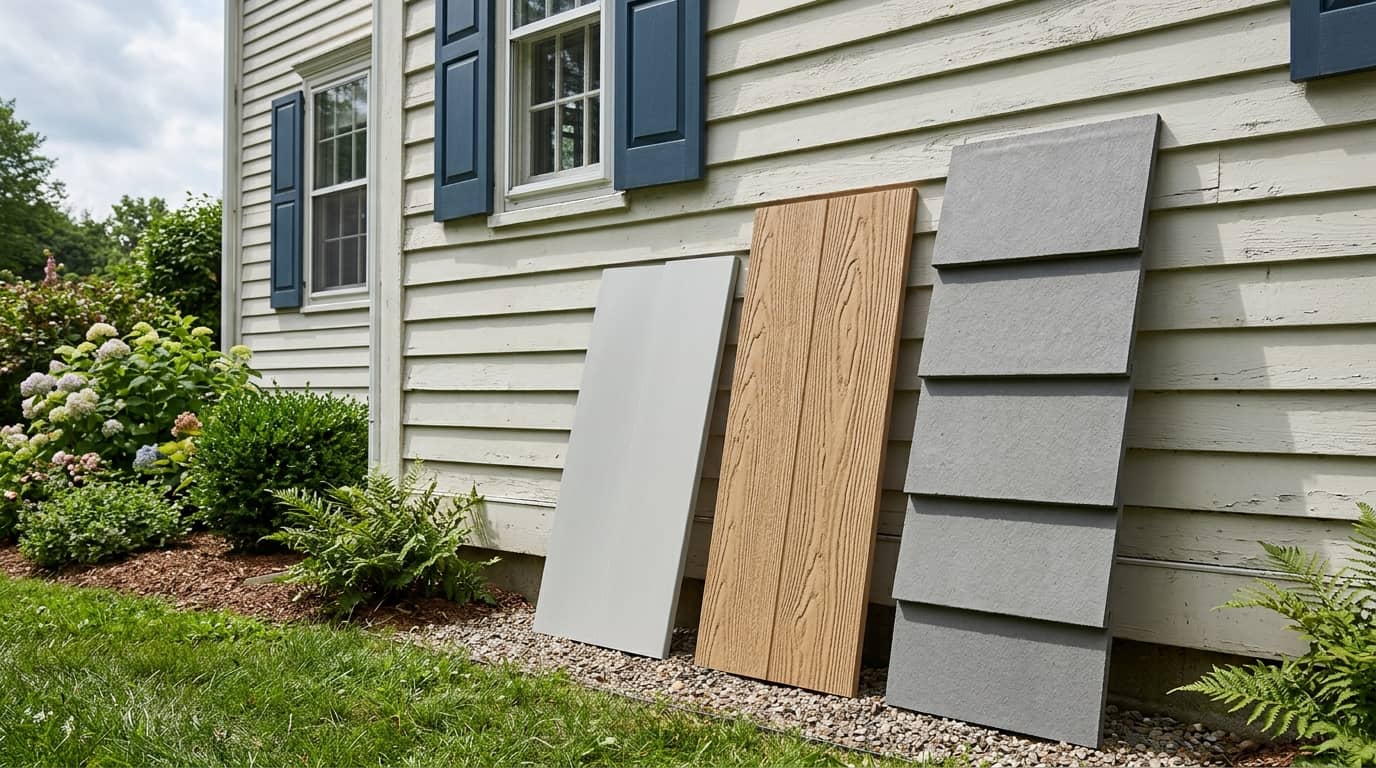
Picture three sample boards leaning against your house and one question: which is worth it? Start with what “worth it” means, because siding pays back in two places.
The first is at resale. Siding returns a large share of its cost in the sale price — the industry calls that share the recoup — and a fresh exterior tends to sell a house faster by removing a buyer’s first objection from the curb. We cover the whole-project version in does new siding increase home value and the pre-listing version in whether to replace siding before you sell.
The second is while you live there: the years you don’t paint, the house you’re glad to pull up to, and the comfort behind a wall that was flashed and wrapped properly. This return never shows up on a closing statement, and for a long-stay owner it’s the bigger one.
What does vinyl siding give back?
Vinyl (we install CertainTeed) sits at the lowest up-front tier on our relative investment scale, and that is most of its return story. Remodeling’s Cost vs. Value Report tracks vinyl siding replacement as its own project, and it has sat near the top of the list for years among the projects that recoup the most at resale. A modest first number is easier to get back from a buyer.
While you live there, vinyl gives back upkeep: no paint to maintain, and a rinse handles pollen and mildew. What it doesn’t return is a premium impression up close, the tradeoff at the heart of vinyl versus fiber cement.
Vinyl returns the most when your horizon is short, you never want to paint, or vinyl is the norm on your street.
What does engineered wood siding give back?
Engineered wood (we install LP SmartSide) is wood strands bonded with resin and wax into a board that comes primed or with a factory finish. It sits in the middle tier, and its return has to be described relatively, because Cost vs. Value publishes no engineered-wood line. It costs more than vinyl and less than fiber cement up front, and from the sidewalk it reads as a painted wood house with deep grain and few seams.
That look is what a buyer pays for. The recurring cost is the repaint schedule: the board depends on its finish to stay dry, so the return holds only if the paint does. We walk through what that asks of you in what siding costs to maintain over its life, and the head-to-head with fiber cement is LP SmartSide versus James Hardie.
Engineered wood returns the most when you want a real wood look without the top tier and you’ll keep the finish up through a repaint or two.
What does fiber cement siding give back?
Fiber cement (we install James Hardie) is a dense plank of cement, sand, and cellulose fiber. It carries the highest up-front tier and has its own line in Cost vs. Value, where fiber-cement siding replacement has historically ranked among the projects that recoup the most at resale. A premium material on the right house gets a premium price back.
While you live there, it gives back a long stretch between repaints, because the plank barely moves with the seasons, plus a heavy shadow line and wood-grain face that read as premium up close. The tradeoffs are the first number and the eventual repaint.
Fiber cement returns the most when your horizon is long, the street expects a premium exterior, and you want the most substantial look.
| Material | Up-front tier | What it tends to return at resale | What it returns while you live there | Fits best when |
|---|---|---|---|---|
| Vinyl (CertainTeed) | $ | Its own strong Cost vs. Value line | No paint, ever; a rinse; a clean, updated look | A shorter stay, a low-upkeep owner, a street where vinyl is the norm |
| Engineered wood (LP SmartSide) | $$ | No published line; sits between the other two | A real wood look; a repaint on a schedule | A middle horizon, a wood look, an owner who will paint |
| Fiber cement (James Hardie) | $$$ | Its own strong Cost vs. Value line | A long stretch between repaints; the most substantial look | A long stay, a premium street, the longest horizon |
How do your horizon and your street change the math?
Two things outside the material decide which return you get. The first is your horizon, how many years you plan to own the house. A short stay collects the resale return and little of the living-there return, so the lowest tier that reads as new usually gives back the most. A long stay flips it: every year of low upkeep counts, and the first number matters less each year. We unpack that in how to choose siding if you plan to stay 5 years or 25.
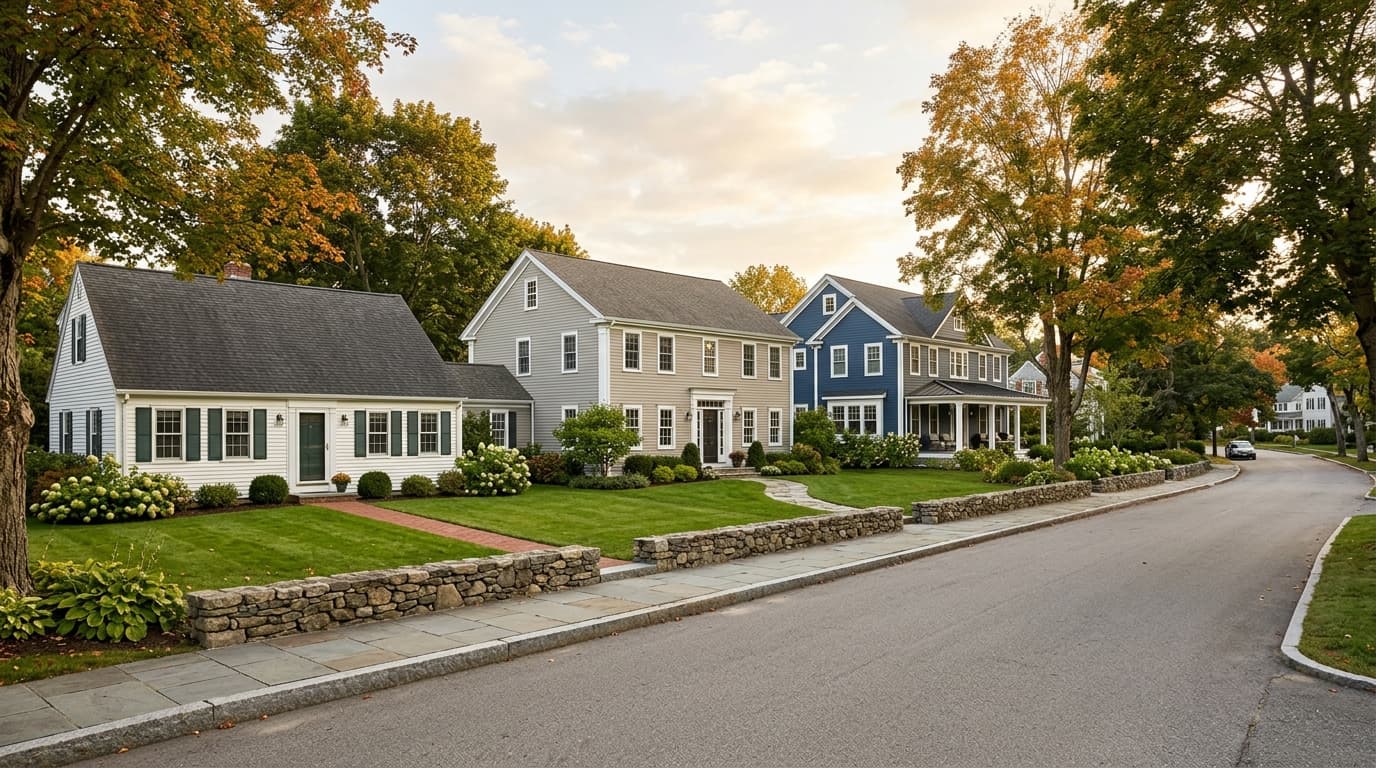
The second is your street. Buyers compare your house to the ones beside it. Where vinyl is the norm, fiber cement returns less of its extra cost, because the buyer wasn’t expecting it. Where every neighbor has a premium exterior, vinyl returns less, because the buyer notices up close. Color works the same way, which is why our styles guide covers colors and resale. The material that gives back the most is the one that fits the street.
The practical way to settle it is to see vinyl and fiber cement on your own house side by side, one total for each.
Find your style, then see it on your own house
TruFit is a two-minute survey that tells you which siding style fits your home and your taste. TruPro then puts it on a 3D model of your actual house — mix and match styles, colors, and trim and watch one total update as you go. Both are part of our free in-person siding assessment.
Schedule a free assessmentWhy does installation quality protect the return on any material?
Whatever you choose, the return depends on the siding lasting as long as it should, and that comes down to the install. Fiber cement needs sealed cut edges and clearance at the base, vinyl needs room to move, engineered wood needs sealed ends and a kept-up finish. Get those wrong and the material fails early at any tier.
The warranties say the same thing. CertainTeed, LP, and James Hardie each condition coverage on installation to their written instructions, so a skipped step can void the coverage. We lay the terms out in siding warranties compared, and the hiring guide explains why the installer matters as much as the brand.
“When a homeowner asks which material pays back the most, we ask how long they’re staying and what the neighbors have. Those two answers usually pick the material. The install is what makes sure it pays back at all.”
Global Roofing field team — Massachusetts in-home siding assessments
Still weighing the three? The pillar’s which one is right for you brings it back to four plain questions.
Frequently asked questions
Which siding material gives back the most?
There isn’t one answer for every house. Vinyl tends to return the most for a shorter stay, a low-upkeep owner, or a street where vinyl is the norm. Fiber cement tends to return the most for a long stay on a premium street. Engineered wood sits between them for an owner who wants a real wood look and will keep up the paint. Your horizon, your street, and your upkeep tolerance decide it.
Does fiber cement siding pay for itself at resale?
Cost vs. Value tracks fiber-cement siding replacement as its own project, and it has sat near the top of the list for years. Whether it does that on your house depends on the street: a premium material returns the most where buyers expect one. Read the report as a direction, not a promise for your address.
Does engineered wood siding add value to a home?
It does, though there’s no national line to point to. Cost vs. Value publishes vinyl and fiber-cement lines but no engineered-wood line, so its return is relative: more than vinyl and less than fiber cement up front, and a painted wood look to a buyer. Its recurring cost is the repaint schedule, so it returns the most for an owner who will paint.
Is vinyl siding worth it if I’m selling soon?
Often, yes. Vinyl has the lowest up-front tier and its own strong Cost vs. Value line, so a short-horizon owner gets a new-looking exterior and a clean inspection without paying for durability they won’t live through. It fits least well where every neighbor has a premium material.
How we wrote this guide
This article reflects how Global Roofing helps Massachusetts and New England homeowners weigh what each siding material gives back, checked against Remodeling’s Cost vs. Value Report, CertainTeed, LP, and James Hardie product and warranty pages, and Consumer Reports’ siding buying guide. It was reviewed for accuracy by a licensed Massachusetts contractor on our team. See our full editorial process for how we research and update every article.
Sources
- Remodeling / Journal of Light Construction — 2025 Cost vs. Value Report (separate lines for vinyl and fiber-cement siding replacement; national and New England breakdowns). jlconline.com
- CertainTeed — Monogram vinyl siding (lifetime limited warranty; never needs painting). certainteed.com
- LP Building Solutions — LP SmartSide lap siding (engineered wood, primed or prefinished) and the 5/50 limited warranty. lpcorp.com
- James Hardie — Lifetime Value Siding Products (30-year substrate and 15-year ColorPlus finish warranties; resale overview). jameshardie.com
- Consumer Reports — Siding Buying Guide (material performance, upkeep, and what to know before you buy). consumerreports.org