
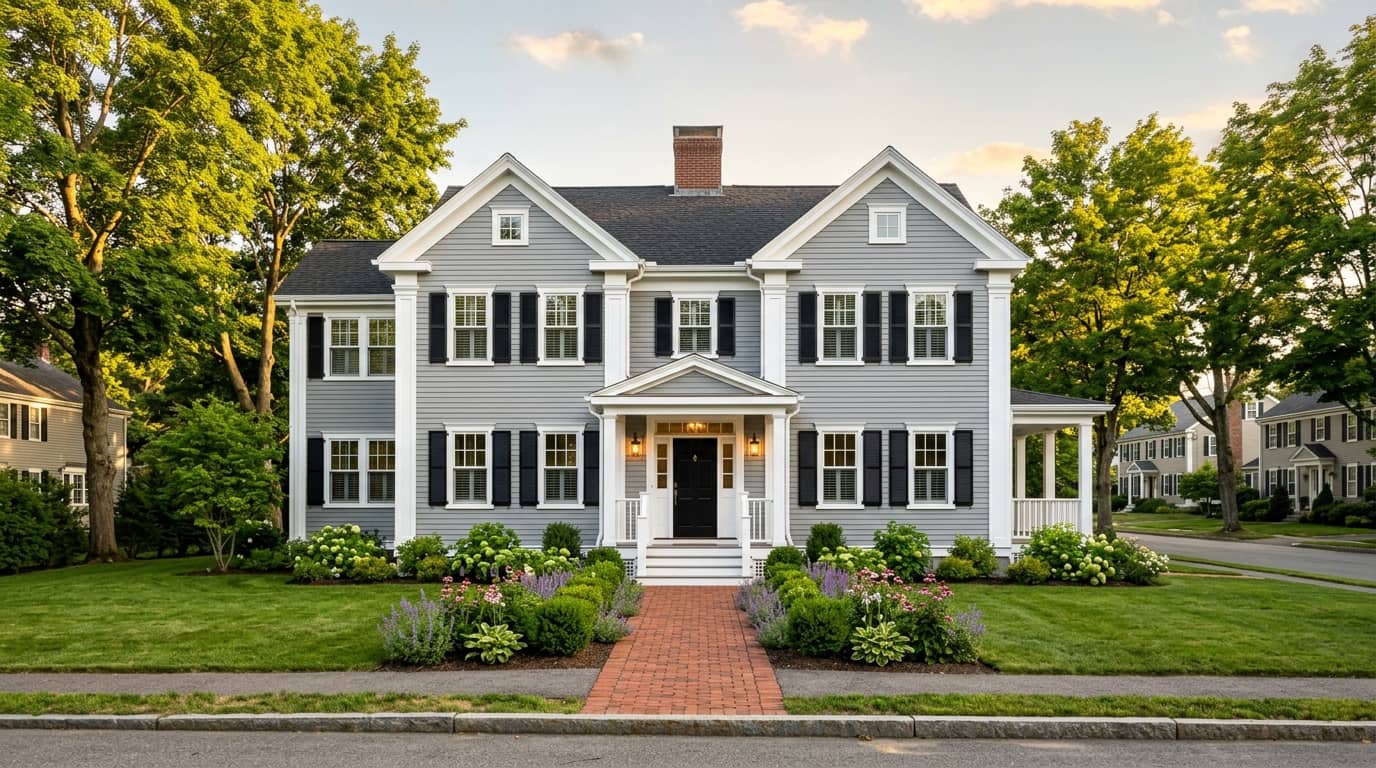

Key Takeaways
- New siding is consistently one of the higher-returning exterior projects. The Cost vs. Value Report tracks it near the top of the list for the share of cost recouped at resale.
- The return is more than the resale number: a faster sale, no repair credit at the inspection, and a weather-tight, low-upkeep wall for as long as you own the house.
- The biggest driver of the return is what you’re starting from. Replacing failing siding removes a discount; upgrading sound siding is a smaller lift.
- Appraisers and buyers see it differently. An appraisal moves modestly; a buyer walking up the path reacts to the whole house.
Does new siding increase home value?
Yes, and by more than most exterior projects. You’re holding a total and asking the fair question: what comes back? Siding replacement sits consistently near the top of the list for the share of cost that comes back at resale, and that number is only part of the return.
A house is a place you live for years before it’s a thing you sell. Some of the value lands in the sale price. The rest lands earlier: in how fast the house sells, in what an inspector doesn’t find, and in winters behind a wall that asks nothing of you. Our cost guide sketches this in whether new siding is worth it; this article takes each piece further.
What does “value” mean when we talk about siding?
Four different things, and they don’t all show up on the same day.
- Resale recoup. “Recoup” is the share of what you spent that comes back in the sale price. It is the number the reports measure.
- Selling faster. Fresh siding reads as “cared for” from the first listing photo, and homes that look maintained spend less time on the market.
- Clearing the objection. Rot, warped panels, or moisture behind the wall become an inspection finding, then a repair request or a credit. New siding takes that off the table.
- The years in between. A properly flashed and wrapped wall keeps water out of the framing, low upkeep keeps weekends free, and the house looks the way you want it to.
What do the data say about siding and resale?
Two national reports track this, from opposite directions. The Cost vs. Value Report, published for years by Remodeling magazine and now by its sister publication JLC, compares what common projects cost with what real estate professionals say they add to a sale price. Siding replacement, in both vinyl and fiber cement, tracks near the top of the list for share of cost recouped.
The National Association of Realtors’ Remodeling Impact Report asks agents which projects buyers respond to and counts new siding among the exterior projects it tracks; its latest edition also notes buyers have grown less willing to compromise on a home’s condition. NAR’s separate look at outdoor projects found nearly every agent surveyed calls curb appeal, how the house reads from the street, important to attracting a buyer. Siding is most of what a buyer sees.
Neither report says the sale price rises by the full cost of the project. What they say is that siding gives back a large share, and that buyers notice it. You can weigh that before deciding: compare a simpler and an upgraded version on your own house, one total for each.
Find your style, then see it on your own house
TruFit is a two-minute survey that tells you which siding style fits your home and your taste. TruPro then puts it on a 3D model of your actual house — mix and match styles, colors, and trim and watch one total update as you go. Both are part of our free in-person siding assessment.
Schedule a free assessmentWhat makes the return on new siding bigger or smaller?
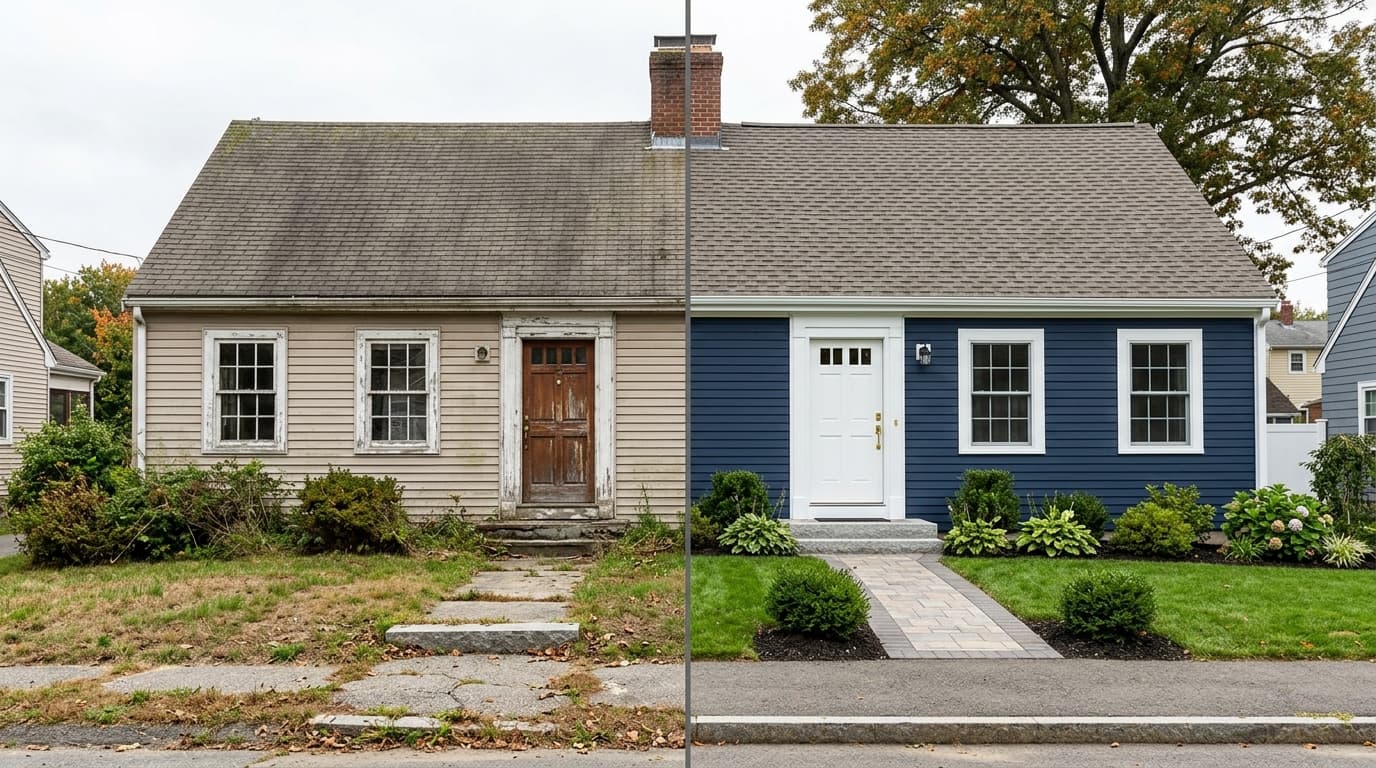
National averages hide a lot. On a specific house, five things move the return, and the first moves it most: what you’re starting from. Replacing failing siding removes a discount already baked into what a buyer would pay. Replacing sound siding is an upgrade, and upgrades earn back less than repairs.
| What you’re starting from | What the project tends to return |
|---|---|
| Failing siding. Rot, moisture behind the wall, warped or missing pieces, paint that won’t hold. | The largest return. It removes an inspection finding, a likely credit, and the worst-case discount buyers apply. |
| Sound but tired. Chalky, faded, or patched, but dry and intact. | A solid return through curb appeal and a faster sale. A cleaning or repaint may capture part of it for less. |
| Sound and current. Good condition, a look that fits the street. | The smallest resale lift. The case is the years you live there, not the sale price. |
| Out of step with the street. Sound, but acolor or profile that dates the house. | Better than condition alone suggests. Matching the block widens the pool of buyers who picture themselves in it. |
Whether the look fits the street. Siding that matches the tone of the block reads as belonging; siding that fights it reads as a project. Our guide covers which siding colors tend to help resale.
The material tier. Vinyl, engineered wood, and fiber cement each hold their value when they fit the house; none wins everywhere. See which siding material returns the most.
Design and curb appeal. A second color on the front or shake in the gables changes how the house reads far more than it changes the price, the point of whether a custom siding design costs more than a plain one.
How long you’ll own it. The longer you stay, the more the return shifts from the sale price to the years in between, the subject of choosing siding by how long you plan to stay, and it’s why what siding costs to maintain over its life belongs in the same calculation.
Will an appraiser see new siding the way a buyer does?
Honestly, no. An appraisal is a lender’s estimate of what a house is worth, done by a licensed appraiser working mostly from recent sales of comparable homes nearby, adjusted for condition. New siding improves the condition rating and can support a modest adjustment, but an appraiser isn’t adding your project cost to the comparables. If the old siding was failing, the appraisal moves more.
The buyer walking up the path reacts to the whole house at once and factors in what they won’t have to fix. That reaction shapes the offer, which is where most of the resale value of siding shows up. The appraisal follows the market; the buyer is the market.
“Homeowners ask if they’ll get the money back, and we tell them the truth: a good share at the sale, and the rest every year before that. The one that pays off most is the house where the siding was actually failing. That’s not an upgrade, that’s taking a discount off the house.”
Global Roofing field team — Massachusetts in-home siding assessments
When is new siding mainly a resale decision?
When the sale is months away rather than years, the question narrows from “is it worth it” to “what does it cost me not to,” and the answer turns on condition, timing, and your market. Failing siding tends to cost more in a buyer’s discount than it costs to fix; sound siding usually wants a cleaning or a repair, not a tear-off. That decision, including timing the work before the photos, is in whether to replace siding before selling your house.
If you’re staying, the resale share is the backstop, and the return you’re buying is the next stretch of winters, so the choices should be made for the people who live there. How you pay for it is its own question, and financing siding versus paying cash walks through the tradeoffs without telling you which to pick.
Frequently asked questions
Does new siding increase home value?
Yes, and by more than most exterior projects. Siding replacement tracks near the top of the list for share of cost recouped at resale, and the full return is bigger than that number: a faster sale, no repair credit at the inspection, and a weather-tight, low-upkeep wall for as long as you own the house.
Do you get all of your money back on new siding when you sell?
Usually not in the sale price alone. Siding recoups a large share of its cost; the rest shows up as a faster sale, a stronger negotiating position, and years of lower upkeep while you live there.
Does an appraiser give credit for new siding?
Some. Appraisers work from comparable sales and the home’s condition rating, so new siding moves an appraisal modestly unless the old siding was failing. Buyers respond more strongly, because they judge from the curb and factor in what they won’t have to fix.
Which siding adds the most value to a home?
The one that fits the house, the street, and how long you plan to stay. Vinyl, engineered wood, and fiber cement each hold their value when the look suits the neighborhood and the installation is done right.
How we wrote this guide
This article reflects what Global Roofing sees on Massachusetts and New England homes before and after a siding project, checked against the Cost vs. Value Report and the National Association of Realtors’ Remodeling Impact Report and its outdoor-features edition. It was reviewed for accuracy by a licensed Massachusetts contractor on our team. See our full editorial process for how we research and update every article.
Sources
- Remodeling / JLC — Cost vs. Value Report (share of project cost recouped at resale, by project and region). jlconline.com
- National Association of Realtors — Remodeling Impact Report (buyer demand, agent recommendations, and cost recovery by project). nar.realtor
- National Association of Realtors — Remodeling Impact Report: Outdoor Features (the importance of curb appeal to buyers and agents). nar.realtor