

Key Takeaways
- The decision turns on what the siding is doing, not on the calendar. Failing siding and dated-but-sound siding call for different answers.
- When water is getting behind the wall, waiting rarely means the same project later. It usually means a bigger scope: sheathing, sometimes framing, on top of the siding.
- Sound siding and an appearance-led project are a fair case for saving up, which avoids the cost of borrowing entirely.
- Financing changes what scope is realistic now: doing the whole exterior once, the right way, versus a patch now and the rest later.
- An honest in-person look at the siding is the reliable way to know which situation you’re in. A lender speaks to the borrowing side.
Should you finance siding now or wait and save?
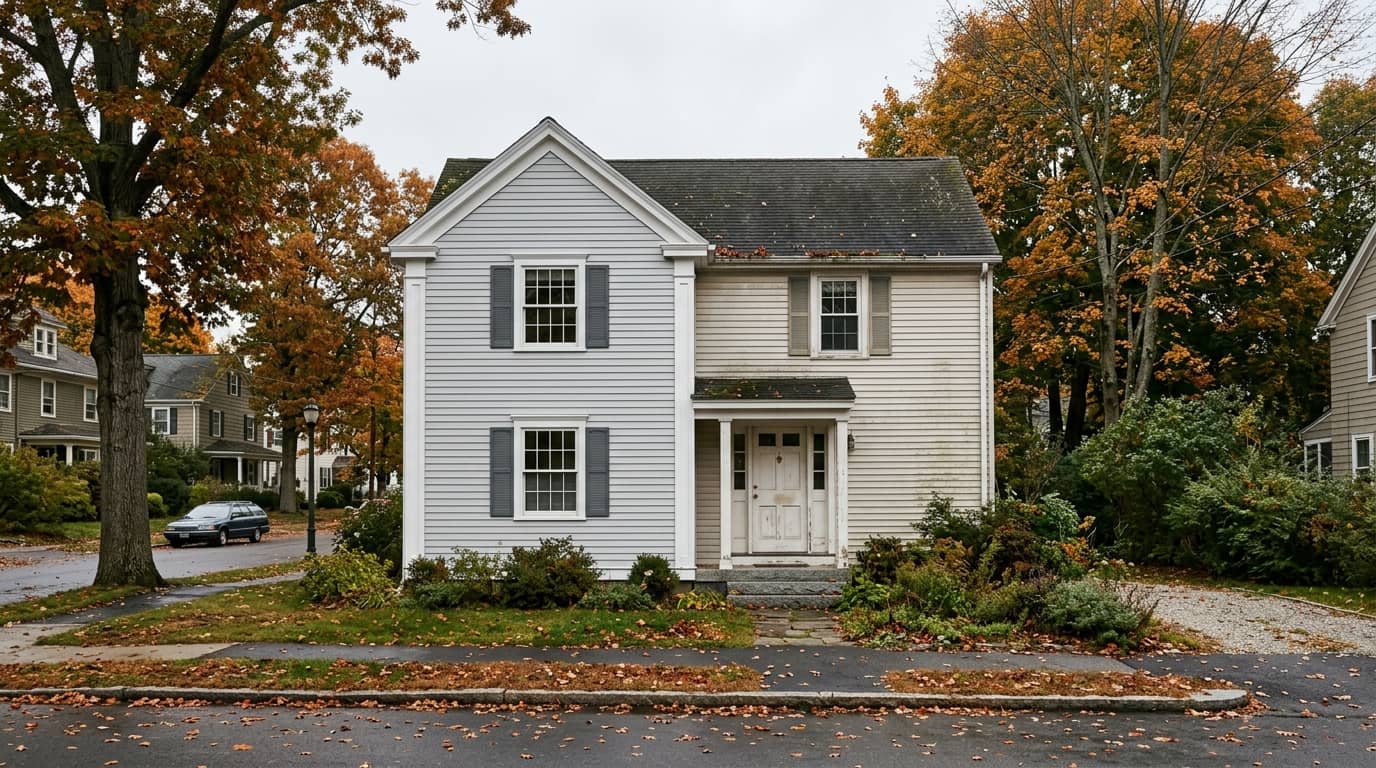
Picture two Massachusetts homeowners with the same question. The first has vinyl that’s cracked and chalky, and the corner by the back door stays dark after every rain. The second has siding that sheds water fine and simply looks like 1994. Both are wondering whether to borrow for new siding this year or save and do it later.
The honest answer is that they’re asking two different questions. For the first, waiting has a cost that keeps growing behind the wall. For the second, waiting costs little more than patience. What the siding is doing right now is the first thing to settle. The ways to pay, once you know, are in our guide to how to pay for new siding.
What can waiting cost when the siding is failing?
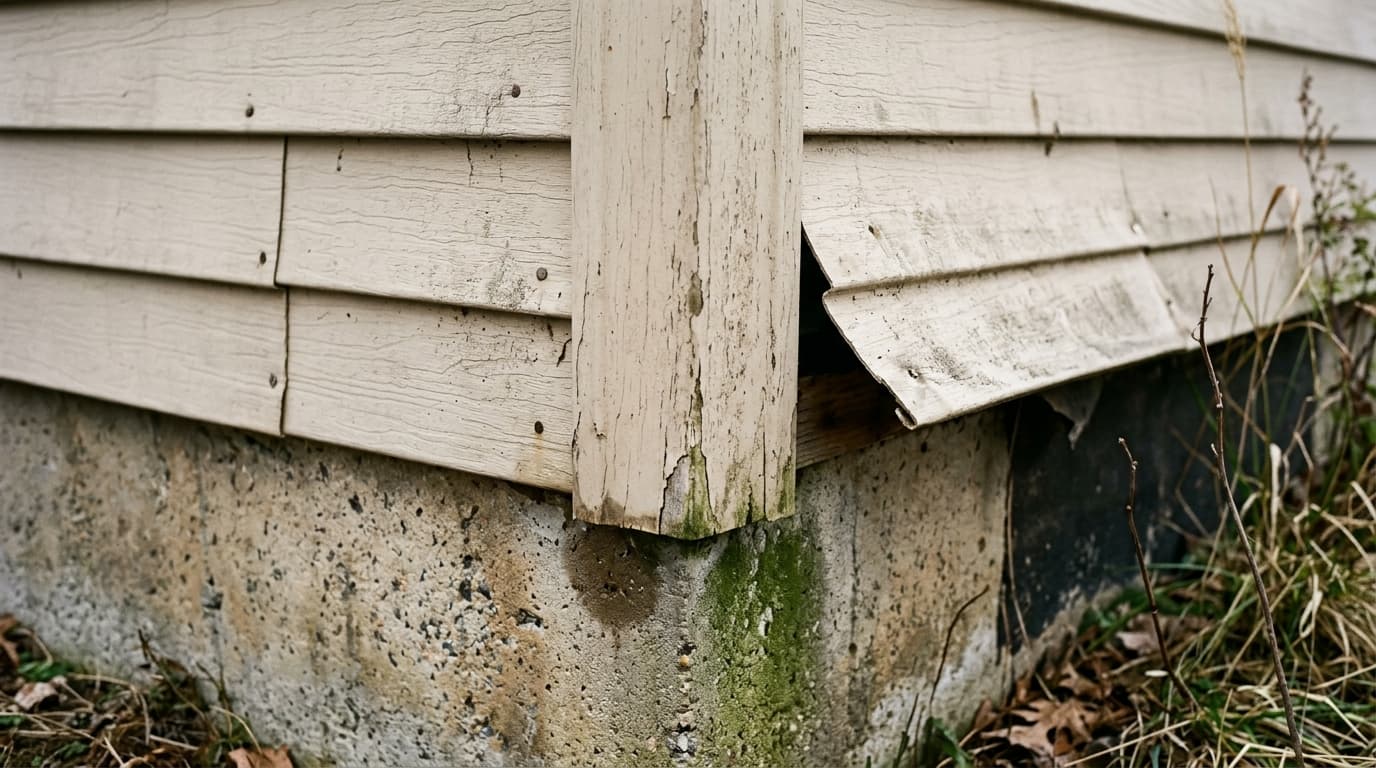
Behind siding sit the house wrap (the sheet that catches water the siding lets past), the sheathing (the wood panels the siding is nailed to), and the framing. When siding fails, the trouble moves inward in a predictable order:
- Water gets a path in. Cracked panels, gaps at corners, and failed caulk let wind-driven rain past more often than the wall was built to handle. Our article on how to tell if water is getting behind your siding covers the inside and outside signs.
- The sheathing stays wet longer. New England walls take snow, freeze-thaw, and nor’easters on the same side every year. Sheathing that never dries goes soft at the base of the wall first, and rot can reach the sills and studs behind it.
- The scope grows. Every layer that has to be cut out becomes part of the job when the siding comes off. That is the mechanism behind the hidden costs of new siding.
On failing siding, “wait and save” tends to buy a larger project, not the same one later. Whether the damage is still contained enough for a repair is covered in whether to repair or replace damaged siding.
When does waiting to save make sense?
Often. Saving up avoids the cost of borrowing altogether, and waiting tends to be the sensible path when:
- The siding is sound. It sheds water, panels sit tight, caulk and flashing are intact, and nothing inside is stained, soft, or musty. Faded is not failing. The list of signs that siding actually needs replacing is a good check.
- The project is appearance-led. A dated color, a style you’ve grown out of. Real reasons, and none of them get worse over a winter.
- The money is on a real timeline. A bonus in the spring, a car paid off in the fall. Saving over months you have is different from saving over years the wall doesn’t.
- You’d rather not chase a window. Some contractor financing comes with a promotional period, a set number of months at reduced or no interest. An open window isn’t a reason the siding gave you. The fine print is in whether you can finance siding with no money down.
The flip side, when the siding can’t wait, is whether financing siding costs more than paying cash.
Put “now” and “later” on a calendar
Our Siding Project Planning Timeline lays out what happens when, from the first assessment to the final walk-through, so “this season” or “next spring” means something for your house.
Get the planning timelineHow does financing change what scope is realistic?
The choice isn’t only when the work happens but how much happens at once. The scope is the list of work in the written estimate, and paying over time changes what fits on it.
Paying only from what’s on hand often means a patch: the worst wall now, the rest later. That can be a good plan on sound siding with one storm-damaged side. Where water has been getting in, it means opening the wall twice, paying for staging twice, and rot on the wall that waited keeps spreading.
Financing lets the scope be the whole exterior, done once, with the house wrap, flashing, and any sheathing repairs handled together. It also tends to put the “do it right” version within reach: a material that suits the house and the climate, trim done properly, roof-to-wall joints rebuilt rather than caulked over. It doesn’t change what the project should include, only whether the full version happens this year or in pieces. Direction, not dollars, is what to weigh.
“We don’t tell anyone to borrow. We tell them what the wall is doing. Faded, tight, and dry behind it, wait as long as you like. Soft sheathing at the corners, and every winter is one more winter of water in the wall. The house sets the timing. The homeowner and their lender set the payment.”
Global Roofing field team — Massachusetts in-home siding assessments
What does the project give back?
New siding isn’t money that disappears. A sound exterior stops the slow damage above, takes an item off a future buyer’s inspection report, and changes how the house reads. What tends to come back at resale is its own article: does new siding increase home value. For this decision, the simpler version: on failing siding the project is partly a repair you’ll pay for eventually; on sound siding it’s an improvement you get to schedule.
How do you think it through?
Nobody can make this call for you. Match what you see to the table, then work through the questions we’d ask at your kitchen table.
| What you’re seeing | What waiting tends to mean |
|---|---|
| Fading, chalking, a dated color; panels tight to the wall | Cosmetic. Waiting costs patience, not structure. |
| A few cracked or loose panels on one side, nothing inside | A repair can buy time; replacement waits on your schedule. |
| Panels lifting, gaps at corners and windows, failed caulk | Water has a path in. Each season adds risk to the sheathing behind it. |
| Interior stain, soft spot, bulge, musty room, rot at the base | Water is already in the wall. Waiting means a bigger scope later. |
Then, a few honest questions:
- Is anything wet? If yes, or “not sure,” a free in-person assessment settles it first.
- If it can wait, how long, and does the savings plan fit inside that? A year is different from four.
- If it can’t, what scope does each path allow? The whole exterior once, or a wall now and the rest later.
- What does borrowing cost over the term? A question for the lender or your bank, with the written total in hand. Financing through our partners generally starts around a 550 credit score, with a couple of programs around 650.
The same order of operations for a roof is in whether to finance a roof now or wait; the pillar goes deeper on how to think through paying for siding.
Frequently asked questions
Should you finance siding now or wait and save?
It depends on what the siding is doing right now. If water is getting behind it, waiting tends to cost more than borrowing, because the damage spreads and the scope grows. If the siding is sound and the project is about appearance, saving up avoids interest and costs little more than patience.
What happens if you wait to replace failing siding?
Siding that has let water past keeps letting it past. The sheathing stays wet longer each season, rot spreads from the base of the wall and around windows, and framing can eventually be involved. Each layer becomes part of the job when the siding comes off, so waiting tends to mean a bigger scope later.
Is it better to finance new siding or save up and pay cash?
Neither is better in general. Saving up avoids the cost of borrowing, the cheaper path when the siding can genuinely wait. Financing lets the work happen before more damage does, and the full scope be done once. The honest comparison weighs the cost of borrowing against what waiting would add to the project; a lender or your bank can speak to the borrowing side.
How do you know if your siding can wait a year?
Look for water, not age. Fading, chalking, and a dated color can wait. Panels lifting off the wall, gaps at corners and windows, failed caulk, an interior stain or soft spot, a musty room, or rot at the base all mean water has a path in, and those don’t improve with another winter. A free in-person assessment tells you which list your house is on.
How we wrote this guide
This article reflects what Global Roofing sees on Massachusetts and New England homes where siding has been left to wait, checked against Building Science Corporation’s guidance on how walls manage rain and InterNACHI’s inspection guidance on moisture intrusion. It is explanatory, not financial advice; a lender or your bank can speak to the cost of borrowing. It was reviewed for accuracy by a licensed Massachusetts contractor on our team. See our full editorial process for how we research and update every article.
Sources
- Building Science Corporation — BSD-013: Rain Control in Buildings (how cladding, drainage planes, and flashing manage water, and what happens when they don’t). buildingscience.com
- International Association of Certified Home Inspectors — Moisture Intrusion (where water enters exterior walls and the damage it causes over time). nachi.org
- Consumer Financial Protection Bureau — What is a home equity loan? (how borrowing against a home works and what to weigh before doing it). consumerfinance.gov