

Key Takeaways
- The real question with an older roof isn’t the panels — it’s how many years the roof underneath them has left.
- A solar array is built to last about 25 years. If the roof gives out first, the whole system has to come off and go back on mid-life — pure added cost.
- A good rule of thumb: a roof should be in good condition and under about 15 years old to take solar without replacing first.
- Condition matters as much as age. The only reliable way to know where your roof stands is an inspection.
Can you put solar panels on an old roof?
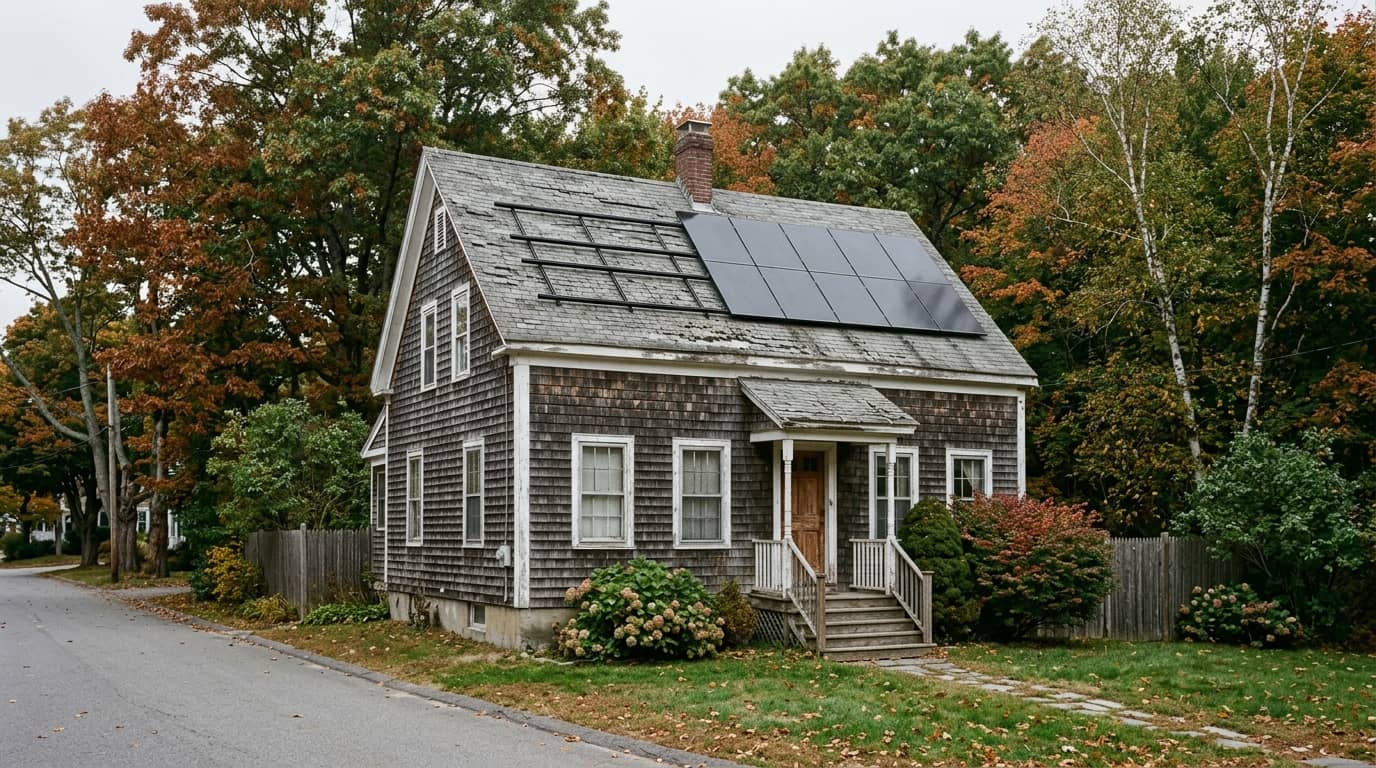
Technically, yes. Solar panels can be mounted on almost any structurally sound asphalt roof, and an older roof isn’t automatically off the table. But “can you” is the wrong question. The one that actually decides this is: how many years does the roof have left?
That’s because a solar array and a roof are on two different clocks. The array is designed to keep producing for around 25 years. If the roof underneath wears out long before that, the panels have to be taken down so the roof can be replaced, then put back up afterward. Mounting solar on a roof that’s near the end of its life doesn’t make the problem go away — it just schedules an expensive one for a few years out. For the full decision framework, our guide to solar and roof replacement walks through the timing in depth.
How old is too old?
There’s no hard cutoff, but a useful rule of thumb for an asphalt-shingle roof in good shape is around 15 years. Most asphalt roofs are built to last in the range of 25 to 30 years, so a roof that’s already 15 or more is likely to have less life left than the solar array you’d put on it. Past that line, replacing the roof first usually makes more sense than installing on top and paying to take it all off later.
It helps to think of it the way the main guide does — by remaining life rather than age alone. The closer the roof’s remaining years get to the array’s ~25-year span, the safer it is to leave the roof in place. The bigger the gap, the stronger the case to replace first. The 15-year mark is just a quick proxy for “the gap is probably too big to ignore.” If your roof and your solar plans are both on the horizon, it’s often cleaner to replace the roof and add solar at the same time.
Why the roof’s age matters so much
The cost of getting this wrong is the whole reason it’s worth slowing down. Put an array on a roof with only a few years left, and when that roof fails you’re looking at three costs that a little sequencing would have avoided:
- Removing and reinstalling the array. The panels come off, the roof gets replaced, the panels go back on. That second handling is labor you’re paying for twice — work the first install already covered. We break down what drives it in what happens to solar panels when you need a new roof.
- Downtime without production. While the array is off, it isn’t making any energy — a stretch of lost solar savings on top of the labor.
- Risk to the panels. Older panels are more fragile to handle, and some installers won’t guarantee a reinstalled array at its original output.
None of that shows up in the cheerful version of a solar pitch. But it’s exactly why “do it once, do it right” isn’t a slogan here — it’s the cheaper path. A roof replaced before the panels go on is a roof that should comfortably outlast the array, so the system goes up once and stays up.
Find out where your roof stands
Our quick roof assessment helps you gauge your roof’s condition and remaining life — the number that decides whether to go solar now or replace first. Free, no signup.
Try the roof assessmentCondition, not just age
Age is a shortcut, not the whole answer. A well-maintained 13-year-old roof in a sheltered spot can be in better shape than a 10-year-old roof that’s taken a beating. So before solar goes on, the condition of the roof matters as much as the number of candles on it. The signs that push the timing earlier regardless of age:
- Missing, cracked, or curling shingles across more than one slope
- Any sagging or bowing in the roofline
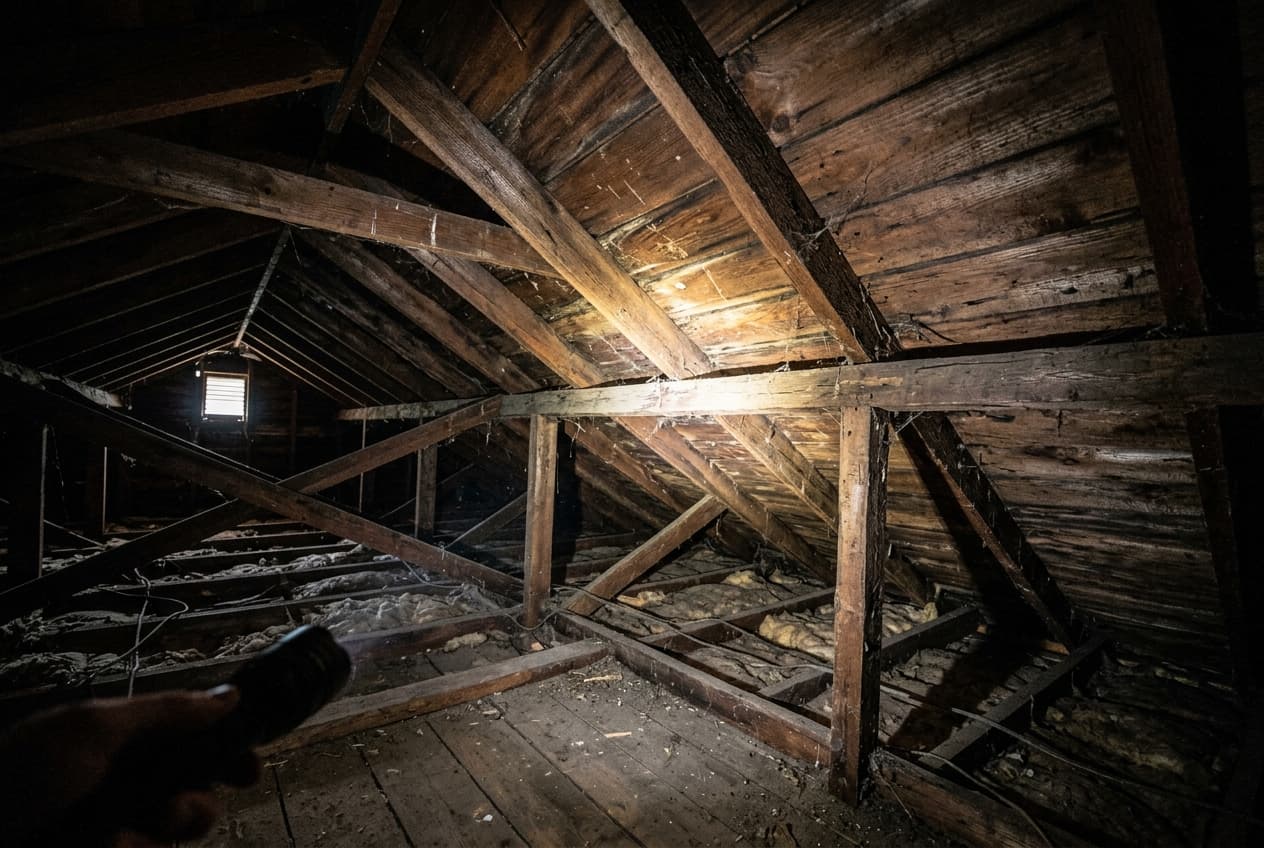
- Daylight visible through the attic boards
- Wood rot, dark staining, or mold in the attic
- A history of patches and leak repairs
Any of those, and the roof likely needs attention before it becomes the foundation for a 25-year array. If you’re seeing them — or just aren’t sure — our guide on whether you need a new roof covers the warning signs, and a quick inspection settles it for good. Solar installers aren’t roofers; a roofer’s read on remaining life is the one to trust here.
“The question we get is ‘can my roof take solar?’ and the honest answer is almost always yes — but that’s not the question that saves you money. We’ve seen homeowners put panels on a roof with five years left and pay to pull the whole array back off before the next election. If the roof’s on the older end, replace it first. You only want to do this once.”
Global Roofing field team — Massachusetts in-home estimates
Frequently asked questions
Can you put solar panels on an old roof?
Technically yes, if the roof is sound — but the better question is how many years it has left. A solar array lasts about 25 years, so if the roof gives out first you’ll pay to remove and reinstall the system mid-life. A roof should generally be in good condition and under about 15 years old to take solar without replacing first.
How old is too old for a roof to get solar?
Around 15 years is a useful rule of thumb for an asphalt roof in good shape. Past that, the roof likely has less life left than the array, so replacing first usually makes more sense. Condition counts too — a worn 12-year-old roof may need replacing first.
What happens if you put solar on a roof that needs replacing?
When the roof fails, the array comes off, the roof is replaced, and the array goes back on — a remove-and-reinstall step that’s pure added cost, plus downtime and some risk to older panels. Sequencing the roof first avoids all of it.
How do I know how many years my roof has left?
An inspection is the only reliable way. An inspector weighs the roof’s age, the condition of the shingles, flashing, and decking, and the state of the attic, then estimates remaining life — which you compare against the array’s ~25-year span.
How we wrote this guide
This article reflects how Global Roofing’s licensed Massachusetts crews assess roofs for solar timing, alongside standard asphalt-shingle service-life ranges and solar-array lifespan figures. The roughly 15-year guidance is our general rule of thumb, not a fixed cutoff — condition matters as much as age, and an inspection settles it. Reviewed by our team. See our full editorial process for how we research and update every article.
Sources
- U.S. Department of Energy — Homeowner’s Guide to Going Solar (system lifespan and roof considerations). energy.gov
- Global Roofing field assessments of roof condition and remaining service life on Massachusetts homes.