

Key Takeaways
- Whether solar makes sense on your roof comes down primarily to two things: how much sunlight it gets and how much electricity you use.
- The big factors are orientation (south best, east/west good, north weak), shade, pitch, and how much unobstructed roof space you have.
- A roof can be perfectly sound and still a mediocre solar candidate if it’s heavily shaded or faces the wrong way.
- Solar production and roof condition are two separate questions — a roofer answers one, a solar installer the other.
Is my roof suitable for solar?
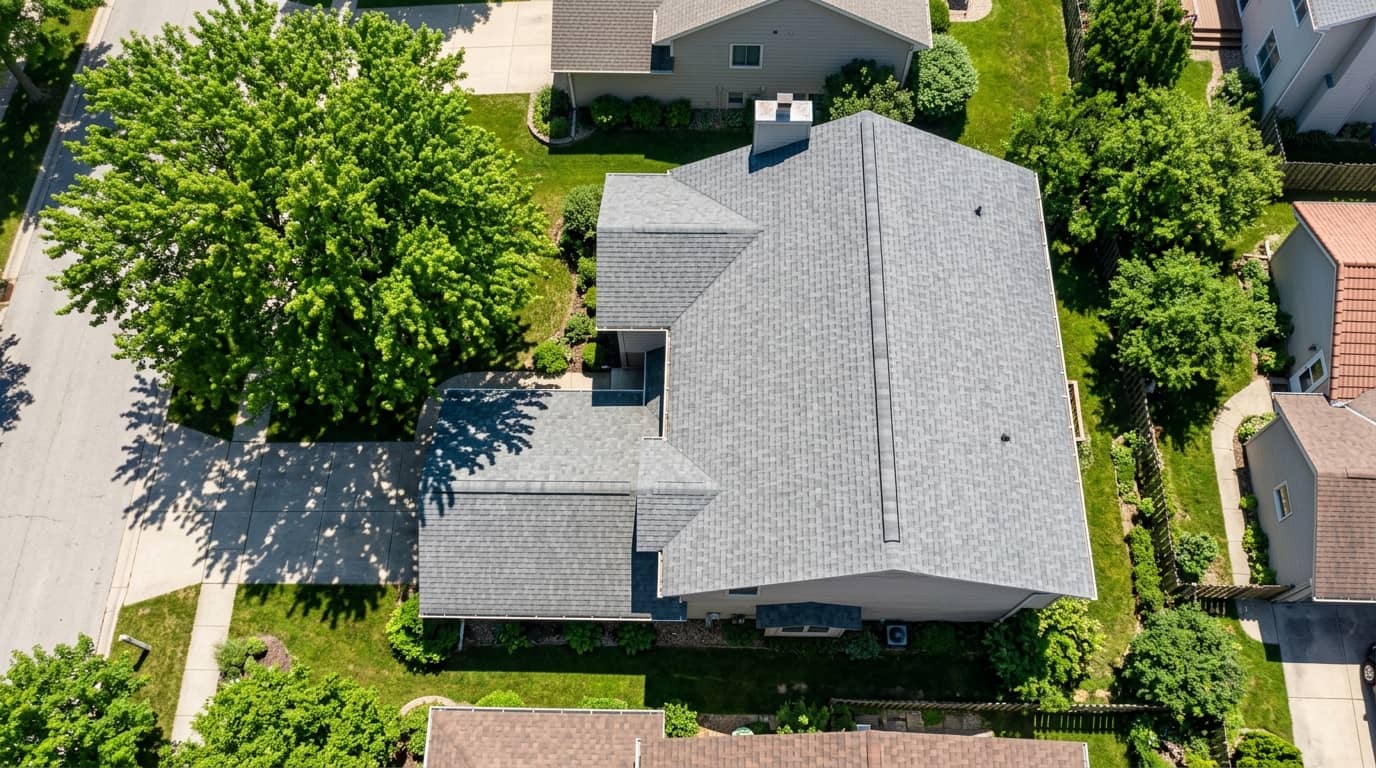
Whether your roof is a good fit for solar comes down mostly to two things: how much sunlight it gets, and how much electricity you use. Sunlight sets how much a system can produce; your usage sets how much of that production is actually worth it to you. A sunny south slope over a big power bill is an ideal case; a heavily shaded roof, or a small household that barely uses any power, is a weaker one.
Usage is the half people forget. Solar offsets the power you pull from the grid, so the more electricity your home uses, the more a well-producing system can save you — and an installer sizes the array to your usage rather than building one far bigger than your bill. The roof’s sun exposure sets the ceiling on what’s possible; your usage sets how much of that ceiling is worth reaching for.
The roof side of that — production — is what the rest of this page digs into, and production comes down to sunlight. Whether the roof is ready to be built on — its age and condition — is a separate question we tackle in putting solar on an old roof and the main solar-and-roofing guide.
It comes down to sunlight
Panels turn sunlight into electricity, so the more direct, unobstructed sun your roof receives over the day and across the year, the more a system produces. That’s the whole ballgame. Everything else on this page — direction, shade, pitch, space — is just a different way of asking the same thing: how much sun actually lands on this roof?
It’s also why a quick glance isn’t enough to judge a roof. Sun exposure changes through the day as the sun moves and through the year as its angle shifts, and a tree that’s bare in winter is full in summer. A solar installer measures actual sun exposure on your specific roof rather than eyeballing it — and that assessment is what turns “looks sunny” into an estimate of real production.
Orientation, shade, pitch, and space
Four things shape how much sun a roof captures:
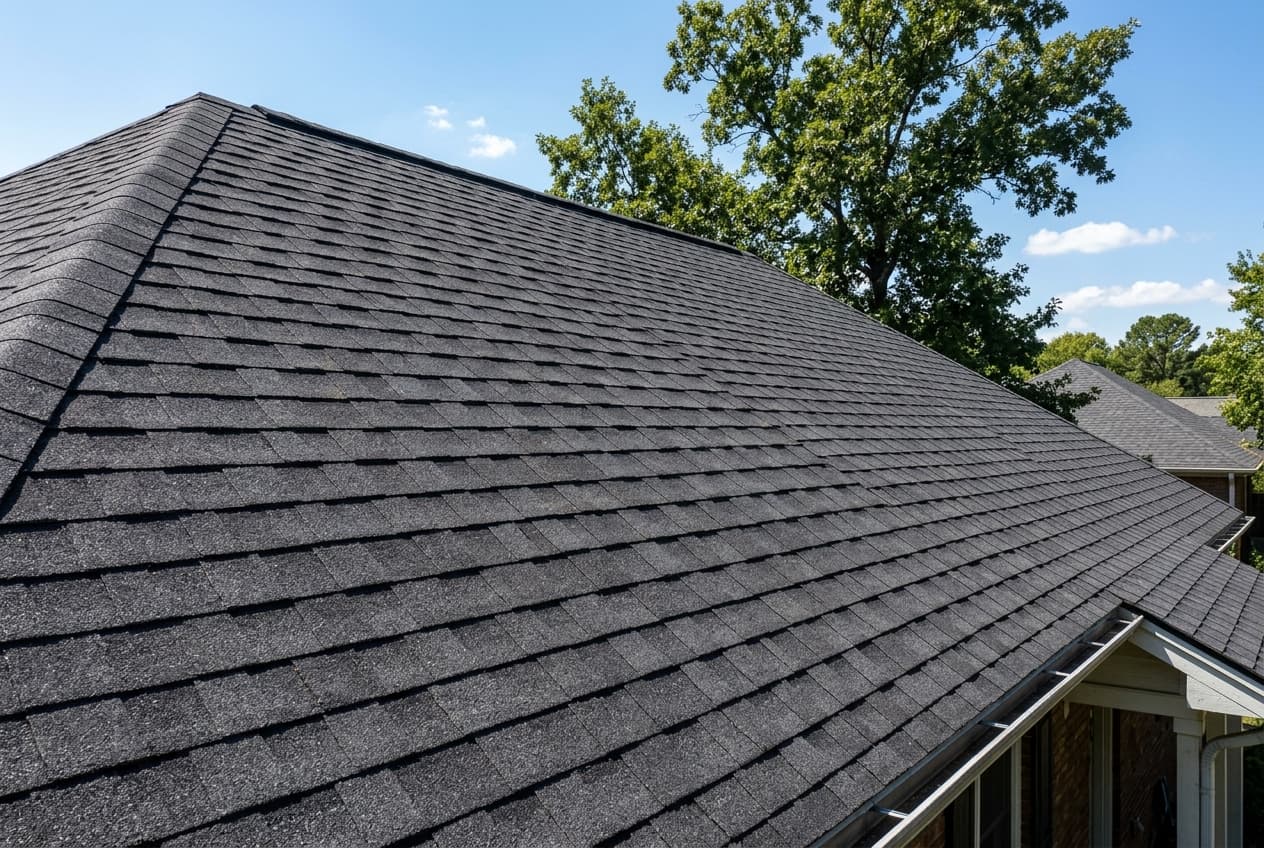
- Orientation (which way the slope faces). In our hemisphere, south-facing slopes generally produce the most, because they catch the most direct sun across the day. East- and west-facing slopes still produce well, with output leaning toward morning or afternoon. North-facing slopes get the least and are the weakest option. Many homes use a mix of slopes.
- Shade. Trees, chimneys, dormers, and neighboring buildings all cast shade that moves through the day and the seasons. Shade is the most common thing that drags production down — even partial shading on one part of an array can reduce its output.
- Pitch (the roof’s angle). Most common residential pitches work well. The angle affects how directly panels meet the sun and how readily snow sheds in winter. Very flat or very steep roofs may need adjusted mounting, but a wide range is suitable.
- Usable space. The system size your roof can hold depends on the unobstructed area available — after working around vents, skylights, and the chimney.
Suitability is sun — readiness is the roof
A great solar candidate still needs a sound roof underneath. Our quick roof assessment helps you gauge your roof’s condition and remaining life — the other half of the decision. Free, no signup.
Try the roof assessmentProduction and condition are two questions
This is the distinction worth holding onto: a roof being a good solar candidate (production) and a roof being ready to build on (condition) are separate questions, and they don’t always line up.
- A sunny, south-facing roof can still be too old or worn to take panels without replacing first.
- A brand-new roof can be a poor producer if it’s shaded or north-facing.
A solar installer answers the production question — they measure sun exposure and model output. A roofer answers the condition question — whether the roof has the life and soundness to anchor a 25-year array. You want a yes on both before you commit, which is exactly why bundling decisions, covered in replacing your roof and adding solar together, start with an honest read on the roof itself. And a roof that’s a great candidate still needs a careful install to stay leak-free — the subject of do solar panels damage your roof.
“We get asked ‘is my roof good for solar’ and we’re always careful to answer only our half. The sun part — shade, which way it faces — that’s the solar installer’s call. Our half is whether the roof underneath is sound enough to hold an array for twenty-five years. A homeowner needs both answers, from the right person for each.”
Global Roofing field team — Massachusetts in-home estimates
Frequently asked questions
Is my roof suitable for solar?
It mostly comes down to sunlight. The big factors are orientation (south best, east/west good, north weak), shade, pitch, and unobstructed space. A roof can be perfectly sound and still a mediocre solar candidate if it’s shaded or faces the wrong way.
Which roof direction is best for solar panels?
In the northern hemisphere, south-facing slopes generally produce the most. East- and west-facing slopes still produce well, with output leaning toward morning or afternoon. North-facing slopes are the weakest. Many homes use a mix of slopes.
Can you put solar on a shaded roof?
You can, but shade lowers production — even partial shading on part of an array drags its output down. Trees, chimneys, dormers, and neighbors all cast shade that shifts through the day and seasons. An installer measures your roof’s actual sun exposure to estimate the impact.
Does roof pitch affect solar?
It does, though most residential pitches work fine. The angle affects how directly panels catch the sun and how snow sheds. Very flat or steep roofs may need adjusted mounting, but a wide range of pitches is suitable — sunlight and shade usually matter more.
How we wrote this guide
This article reflects Department of Energy guidance on what makes a roof a good solar candidate, alongside how Global Roofing’s licensed Massachusetts crews assess roof condition for solar. It’s explanatory — a solar installer should measure your roof’s actual sun exposure to estimate production. Reviewed by our team. See our full editorial process for how we research and update every article.
Sources
- U.S. Department of Energy — Homeowner’s Guide to Going Solar (roof orientation, shading, and suitability). energy.gov
- Global Roofing field assessments of roof condition and remaining service life on Massachusetts homes.