
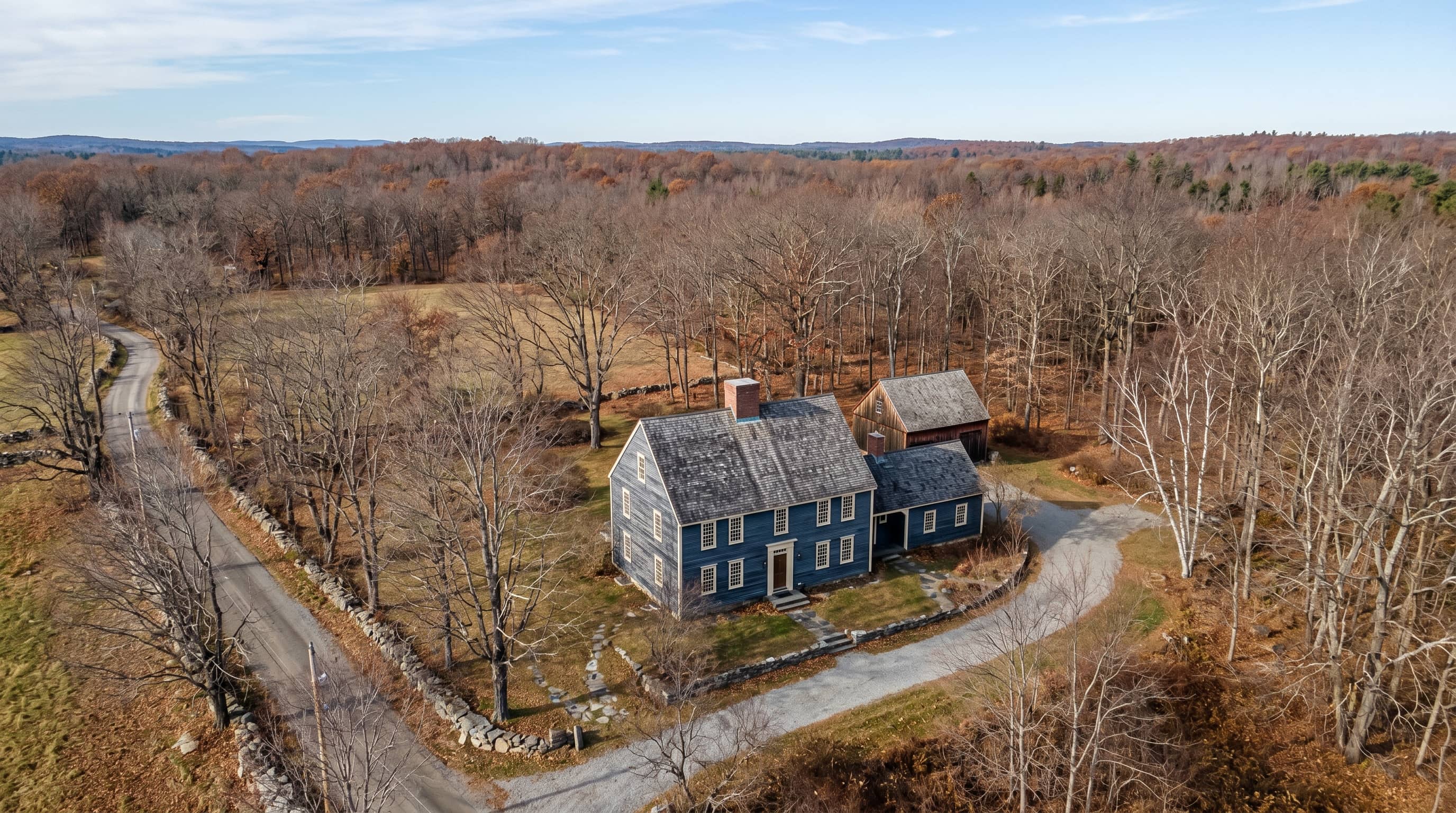

Key Takeaways
- Architectural asphalt shingles last roughly 22–28 years in New England; older 3-tab shingles last about 15–20.
- That’s a few years shorter than the factory rating — freeze-thaw cycles, ice dams, heavy snow, and big temperature swings all age shingles faster here.
- Attic ventilation is the biggest lever. A poorly vented attic can cut a 25-year roof to under 12; a well-vented, well-installed one reaches the top of its range.
- A roof’s warranty and its day-to-day service life are two different things — a quality roof carries long, transferable warranties, while around 25 years is the typical service life you’ll get from asphalt here.
How long does an asphalt shingle roof last in New England?
In our climate, plan on 22 to 28 years from a modern architectural (dimensional) shingle roof, and 15 to 20 years from the older, flatter 3-tab shingles you’ll find on a lot of homes built before the 2000s. Those are real-world New England numbers, and they run a few years short of the lifespan printed on the shingle wrapper — which is measured under gentler conditions than a Massachusetts winter delivers.
Think of those ranges as a baseline, not a countdown. A roof that’s well ventilated, installed correctly, and not buried in shade can reach the top of its range or beyond. One that was put on cheap, over an old layer, above a hot unvented attic, can give out a decade early. Age tells you when to start paying attention; condition tells you whether it’s actually time — and you can estimate how much life your roof has left by weighing the two together. Our full guide on how to tell whether you need a new roof walks through both.
Why do asphalt roofs wear out faster in New England?
An asphalt shingle is a mat saturated in asphalt and topped with mineral granules. It ages by slowly losing the oils that keep it flexible and shedding the granules that protect it from the sun. Our climate speeds up every part of that:
- Freeze-thaw cycles. Water works into tiny cracks, freezes, expands, and thaws — dozens of times each winter — prying the damage a little wider every cycle.
- Ice dams. Melt-water refreezes at the cold eaves and backs up under the shingles, the most common way New England roofs leak before they’re truly worn out.
- Temperature swings. The stretch from summer heat to winter cold makes the asphalt expand and contract until it grows brittle and starts to crack and curl.
- Heavy, wet snow. Late-season nor’easters pile weight on the roof and keep moisture sitting against it.
- Shade, moss, and algae. North-facing and tree-shaded slopes stay damp, and moss lifts shingle edges and holds water against the roof.
None of this means a New England roof is a bad investment — it just means the honest lifespan is a few years under the marketing number, and that the same climate is why a roof costs a bit more to do right here in the first place.
Not sure where your roof stands?
Our 2-minute Roof Condition Assessment takes your roof’s age and what you’re seeing and gives you a straight read — monitor, plan ahead, or get it looked at.
Take the assessment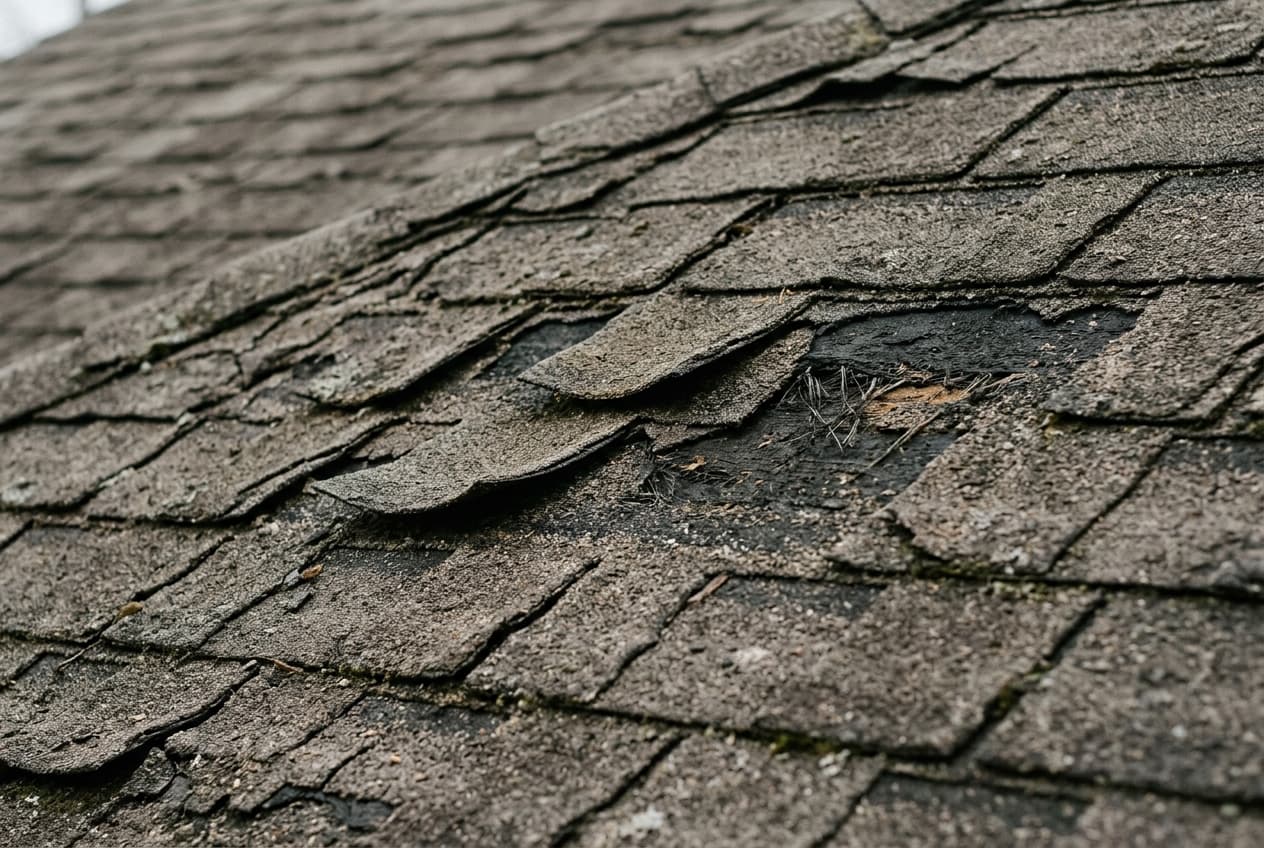
What makes one asphalt roof outlast another?
Two identical roofs on the same street can be ten years apart in lifespan. The difference almost always comes down to two things:
Attic ventilation — the biggest single factor. A roof needs steady airflow underneath it. When intake at the soffits and exhaust at the ridge are balanced, the attic stays close to the outside temperature and the shingles age at their natural pace. When the attic is sealed up tight, it traps heat and moisture against the underside of the deck, baking the shingles from below and feeding the ice dams that wreck the edges. Poor ventilation can quietly cut an architectural roof from around 25 years to under 12. If your home predates the 1990s and no one has touched the venting, that’s the first thing worth checking.
Installation quality. A roof built the right way — full ice-and-water shield at the eaves and valleys, proper drip edge, new flashing instead of reused, shingles nailed in the right spot — earns every year of its range. A roof rushed on cheap, or laid over an old layer to save a day of tear-off, commonly fails five to ten years early. It’s also a big part of why two quotes for “the same” roof can look so different, which is worth understanding before you sign anything.
“People ask why their neighbor’s roof is fine at 24 and theirs is shot at 14. Nine times out of ten it’s the attic. You can’t see ventilation from the curb, but the shingles feel it every single day.”
Global Roofing field team — Massachusetts in-home estimates
What about the roof’s warranty?
If the shingles carry a long warranty, it’s fair to ask why we point to around 25 years. The answer is that a warranty and a roof’s service life are two different things, and it helps to keep them separate.
A quality asphalt roof comes with strong, long-term coverage, usually in two layers. The manufacturer’s shingle warranty covers the material itself — it can run up to 50 years and is often transferable to the next owner, which is a real advantage if you ever sell. The workmanship warranty comes from the contractor and covers the installation. Global Roofing backs new roofs with a 50-year transferable shingle warranty and a 30-year workmanship warranty.
Service life is something different: it’s how long the roof performs day to day before it’s ready to be replaced, and in New England that’s typically around 25 years for architectural shingles, for all the climate reasons above. The two work together — long warranties stand behind the materials and the workmanship, and the very things that earn a roof that coverage (balanced ventilation, a clean install, quality shingles) are exactly what help it reach the upper end of its lifespan.
The detail worth checking is who stands behind the workmanship warranty: it only means something if the company is still around to honor it years down the road, which is one of the real differences between a local roofer and a national company.
How do I know my asphalt roof is near the end?
Age gets you in the ballpark; the roof itself tells you the rest. As an asphalt roof closes in on the end of its life, the signs tend to show up together: shingles curling or cupping at the edges, bare spots where the granules have washed off (you’ll often find them collecting in the gutters), cracked or brittle shingles, and stains appearing on upstairs ceilings after a storm. A few of these at 20-plus years usually means it’s time to plan; widespread, and it’s time to act.
One or two damaged shingles on an otherwise sound roof, though, is often just a repair — and age alone doesn’t condemn a roof. If you’re weighing the cost either way, our breakdown of whether it’s cheaper to repair or replace lays out how to think it through. And if you’ve been considering solar, the roof’s remaining life matters a lot — it’s worth reading whether you can put solar on an older roof before you commit.
Frequently asked questions
How long does an asphalt shingle roof last in New England?
Architectural shingles typically last about 22–28 years here and older 3-tab shingles about 15–20 — a few years short of the factory rating, because freeze-thaw, ice dams, and temperature swings age them faster. Attic ventilation and install quality can move either number by a decade.
Why do roofs wear out faster in New England?
Our winters do it: water freezes and thaws in tiny cracks dozens of times a season, ice dams force water under the shingles, heavy snow loads the roof, and the swing from summer heat to winter cold makes the asphalt brittle. Shade, moss, and coastal salt air add to it.
Does a poorly ventilated attic shorten roof life?
Yes — it’s the single biggest factor. A sealed-up attic traps heat and moisture against the deck, baking the shingles from below and feeding ice dams. It can cut an architectural roof from around 25 years to under 12, which is why two identical roofs can be years apart.
Does a “lifetime” warranty mean the roof lasts a lifetime?
No. A “lifetime” shingle warranty is the manufacturer’s defect coverage, not the roof’s service life, and it’s usually prorated after the first 10 to 15 years. It doesn’t cover weather wear, ice-dam leaks, or installation problems — the things that actually end most roofs.
How we wrote this guide
This article reflects what Global Roofing sees on real Massachusetts and New England roofs, checked against National Roofing Contractors Association and Asphalt Roofing Manufacturers Association guidance on shingle service life and attic ventilation, and manufacturer specifications. It was reviewed for accuracy by a licensed Massachusetts roofing contractor on our team. See our full editorial process for how we research and update every article.
Sources
- National Roofing Contractors Association — roofing system service life and attic ventilation guidance. nrca.net
- Asphalt Roofing Manufacturers Association — asphalt shingle performance and ventilation. asphaltroofing.org
- CertainTeed — shingle warranty coverage and certified-installer warranties. certainteed.com