

Key Takeaways
- Age alone is not a verdict. Lifespan ranges are averages, not expiration dates — a sound, well-vented roof can outlast the “typical” number.
- Condition decides it. No active leaks, shingles flat and intact, granules in place, a dry deck, and good attic ventilation matter far more than the number.
- Age starts to matter when it shows up with signs— widespread curling and granule loss, brittle cracking shingles, or repeat repairs as the roof nears its expected life.
- For an old but healthy roof, the smart play is monitor and plan: annual inspections past ~15 years, good upkeep, and budgeting so you replace on your terms.
Do you have to replace a roof just because it’s old?
No. The age of a roof, on its own, does not mean you have to replace it. The lifespan numbers you see — like the 22 to 28 years an asphalt roof typically lasts here — are averages, not expiration dates. They tell you roughly when a roof tends to wear out across a lot of homes. They don’t set a hard deadline for yours.
A roof that was installed well, breathes through a properly ventilated attic, isn’t buried in shade, and shows no leaks or worn-out shingles can keep doing its job at the top of its range or even past it. Plenty of roofs in Massachusetts are still sound a few years beyond the “average,” and replacing one of those early just because the calendar says so is spending money you didn’t need to spend yet. If you want to put a rough number on the years yours has left, our guide on estimating how much life your roof has left walks through it, and the full guide to knowing whether you need a new roof covers the whole picture.
What matters more than age?
Condition. The honest answer to “is my old roof okay?” comes from looking at the roof itself, not the year it went on. Here’s what tells you it’s still in good shape:
- No active leaks. No water stains on upstairs ceilings, no damp spots in the attic after a storm. This is the single clearest sign the roof is still keeping water out.
- Shingles lying flat and intact. They sit down tight against the roof — not curling at the corners, cupping in the middle, or cracking when the weather turns cold and brittle.
- Granules still in place. The shingles still have their gritty surface coating, and you’re not finding piles of granules washing into the gutters.
- A sound, dry deck. The wood beneath the shingles is solid, with no soft or sagging spots and no signs of rot from the attic side.
- Good attic ventilation. Balanced airflow keeps heat and moisture from building up underneath and aging the roof early.
When those all check out, the age of the roof is just a number to keep an eye on. A 23-year-old roof in good condition is in better shape than a 14-year-old roof that was cheaply installed over a hot, sealed-up attic. Condition outranks the calendar nearly every time.
Not sure where your old roof stands?
Our 2-minute Roof Condition Assessment takes your roof’s age and what you’re seeing and gives you a straight read — monitor it, plan ahead, or have it looked at.
Take the assessment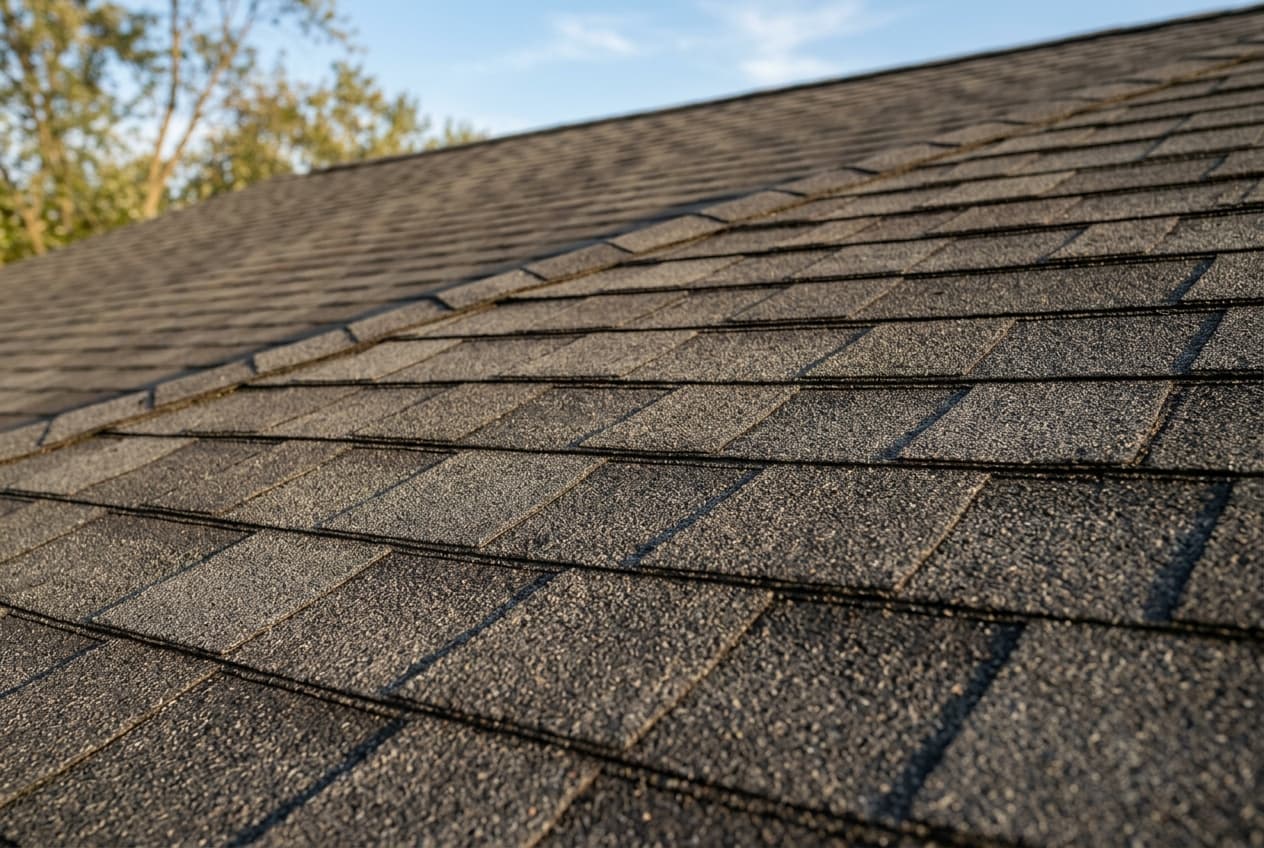
When does age actually mean it’s time?
Age starts to matter when it shows up together with the signs. A roof closing in on or passing its expected life that also shows widespread curling and granule loss, shingles that crack because they’ve gone brittle, leaks that keep coming back after repairs, or a poorly vented attic that’s been quietly shortening its life — that’s a roof telling you it’s genuinely worn out, and the age confirms what the condition already shows. The remaining-life guide helps you read those signs against the age.
There are also a few real, non-damage reasons an old roof can come up — and they’re worth understanding plainly:
Home insurance. Some homeowners-insurance carriers look more closely at very old roofs. A few may ask about a roof’s age at renewal, limit how they’d cover one, or factor it into your policy — our guide to whether insurance covers an old roof explains how age changes coverage and renewals. This varies a lot from one company and policy to the next, so we can’t tell you how it applies to you — the reliable answer comes from your own insurer or agent. If your roof is well past the average, it’s a fair question to ask them directly, and a documented inspection showing the roof is sound can help that conversation — and if you ever file a storm claim and it’s pushed back as ordinary wear, that documentation is what a disputed or denied claim tends to turn on.
Selling the home. When you sell, a home inspector or a buyer often flags an aging roof even if it isn’t leaking, and buyers may ask about its remaining life or factor it into their offer. An old-but-sound roof isn’t a problem to hide — but it’s reasonable to expect it to come up, and having a recent inspection on hand makes it easier to answer.
Adding solar. Solar panels are meant to stay put for decades, so they want a roof with plenty of life left — which is why an older roof’s remaining life, not just its condition, drives the decision. Our guide on whether you can put solar on an older roof walks through where that line falls.
“We get calls from people convinced they need a new roof because it hit 20. Half the time we get up there and it’s fine — flat shingles, granules holding, dry deck. We tell them to keep an eye on it and save their money. The roof tells you when, not the calendar.”
Global Roofing field team — Massachusetts in-home estimates
What should you do with an old but healthy roof?
Monitor it and plan ahead — don’t panic-replace. A sound roof that happens to be old is one of the easiest situations to manage well, because you have time on your side. The smart play is simple:
- Get an annual professional inspection once it’s past about 15 years. A proper look at the shingles, flashing, and attic ventilation catches small problems while they’re still small — and gives you a documented record of the roof’s condition.
- Keep up the basics. Clear the gutters so water drains, keep the attic ventilation working, and address moss or a lifted shingle before it turns into a leak. Good upkeep is what lets a roof reach the top of its range.
- Start budgeting early. Knowing replacement is somewhere on the horizon, you can set money aside and plan it for a season that suits you — replacing on your own terms instead of scrambling mid-emergency after a leak.
That’s the whole point: an old roof in good shape doesn’t demand a decision today. It earns you the chance to watch it, maintain it, and replace it when it’s genuinely ready — on your schedule, with the time to choose your roofer and your materials carefully.
Frequently asked questions
Do you have to replace a roof just because it’s old?
No. Lifespan ranges are averages, not expiration dates. A roof with no leaks, flat and intact shingles, granules still in place, a dry deck, and good attic ventilation can have good years left past the average age. Age tells you when to watch more closely; condition tells you whether it’s actually time.
What matters more than a roof’s age?
Condition. No active leaks, shingles lying flat instead of curling or brittle, granules holding rather than washing into the gutters, a sound dry deck, and balanced attic ventilation all matter more than the number on the calendar. If those check out, age is just something to keep an eye on.
Can an old roof affect my homeowners insurance?
It can. Some carriers look more closely at very old roofs and may ask about a roof’s age or limit how they cover one. This varies a lot by company and policy, so the reliable answer comes from your own insurer or agent — ask them directly how your roof’s age affects your coverage. A documented inspection showing the roof is sound can help.
What should I do with an old roof that’s still in good shape?
Monitor and plan rather than rush to replace. Once it passes about 15 years, schedule an annual professional inspection, keep gutters clear and ventilation working, and start budgeting so that when replacement time comes you can do it on your own schedule instead of during an emergency.
How we wrote this guide
This article reflects what Global Roofing sees on real Massachusetts and New England roofs, checked against National Roofing Contractors Association and InterNACHI guidance on roof condition and inspection, Insurance Information Institute material on roof age and homeowners coverage, and manufacturer specifications. It was reviewed for accuracy by a licensed Massachusetts roofing contractor on our team. See our full editorial process for how we research and update every article.
Sources
- National Roofing Contractors Association — roofing system service life and condition assessment guidance. nrca.net
- InterNACHI — residential roof inspection standards and what an inspection evaluates. nachi.org
- Insurance Information Institute — how roof age and condition factor into homeowners insurance. iii.org