

Key Takeaways
- Age alone doesn’t void coverage. An old roof damaged by a covered event can still have a valid claim.
- What age changes is the settlement basis: older roofs are more likely to be paid on actual cash value (depreciated) instead of full replacement cost.
- The bigger issue for many homeowners isn’t the claim — it’s renewal. Insurers scrutinize roof age at renewal, and coastal Massachusetts sees real non-renewal pressure.
- There’s no universal cutoff age. Carriers commonly tighten up around 15–20 years, but only your policy and agent can tell you your number.
Does an old roof lose its coverage?
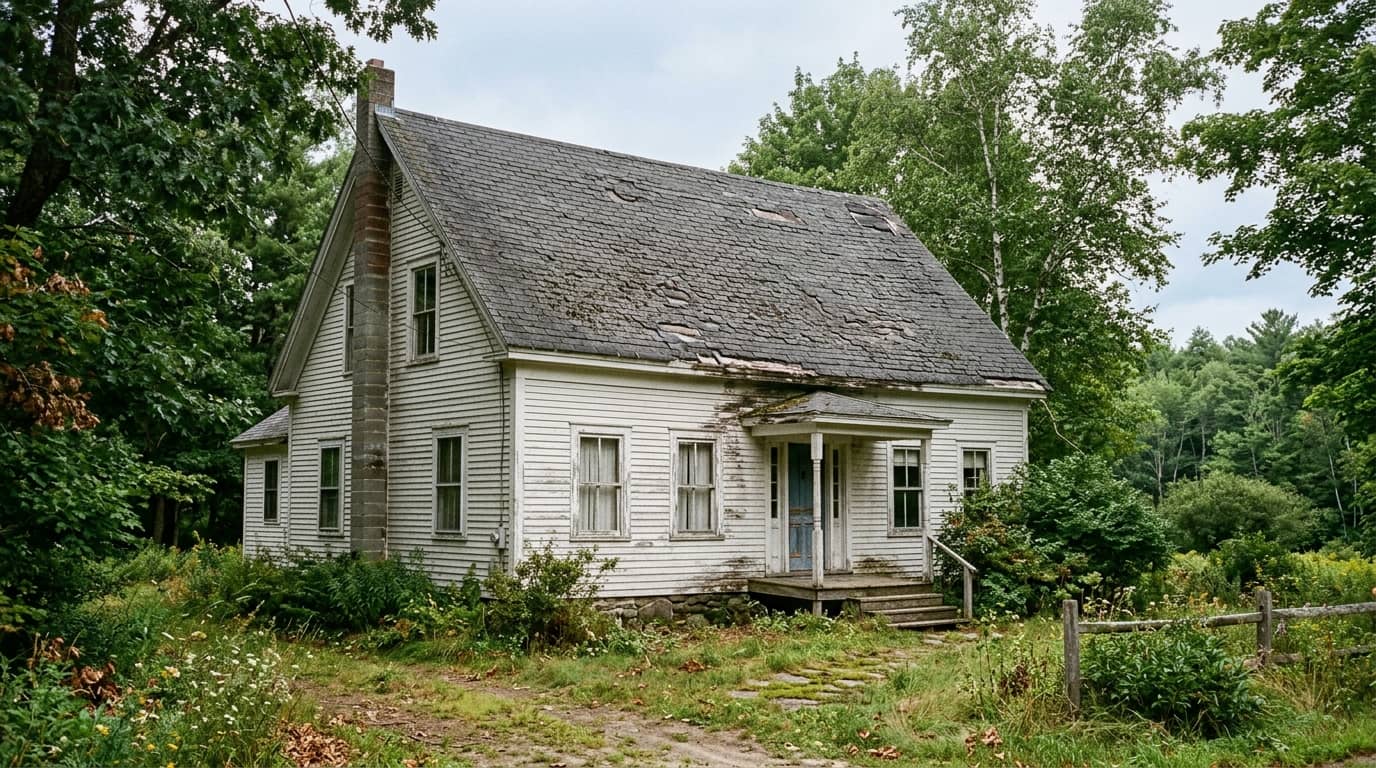
Not automatically. A roof doesn’t hit a birthday and fall off your policy. If an older roof is damaged by a covered event — a windstorm, hail, a tree coming down — you can still have a real claim. Insurance covers damage based on what caused it, and that logic doesn’t stop applying because the roof has some years on it.
What age actually does is change two things in the background: how an insurer values a claim on an older roof, and how the carrier treats the policy when it comes up for renewal. Neither is about denying a storm claim outright — they’re about money and risk. The pillar guide on how roof insurance claims work covers the full settlement picture; here we focus on the part age drives.
How does age change a roof claim?
The biggest lever is the settlement basis — how the insurer calculates what to pay. There are two common ones:
- Replacement Cost Value (RCV) pays the full cost to replace the roof with like materials, no age deducted. It’s standard on newer roofs.
- Actual Cash Value (ACV) pays the depreciated value — replacement cost minus an amount for the roof’s age and wear. On an older roof, that can be a much smaller payout for the same damage.
As a roof ages, insurers are more likely to write or shift it to ACV — sometimes automatically at renewal, sometimes through a roof-specific endorsement. That’s why the most important line to find before you ever file is how your roof is valued on your declarations page. The pillar guide’s ACV-vs-RCV breakdown shows exactly what that difference looks like in practice.
None of this means an older roof’s claim is worthless — it means the number may be depreciated, and you want to know that before you’re standing in it. When a depreciated payout leaves a gap between the check and the full replacement cost, our guide on how to pay for a roof replacement covers the ways homeowners bridge it. How that payout compares to your deductible, and whether filing makes sense, is a conversation for you and your agent.
“The surprise for a lot of homeowners isn’t that the claim gets denied — it’s that the check is smaller than they expected because the roof was on actual cash value. Age didn’t take the coverage away. It changed the math. Knowing which basis you’re on before a storm is half the battle.”
Global Roofing field team — Massachusetts in-home estimates
Age at renewal: the issue that catches more people
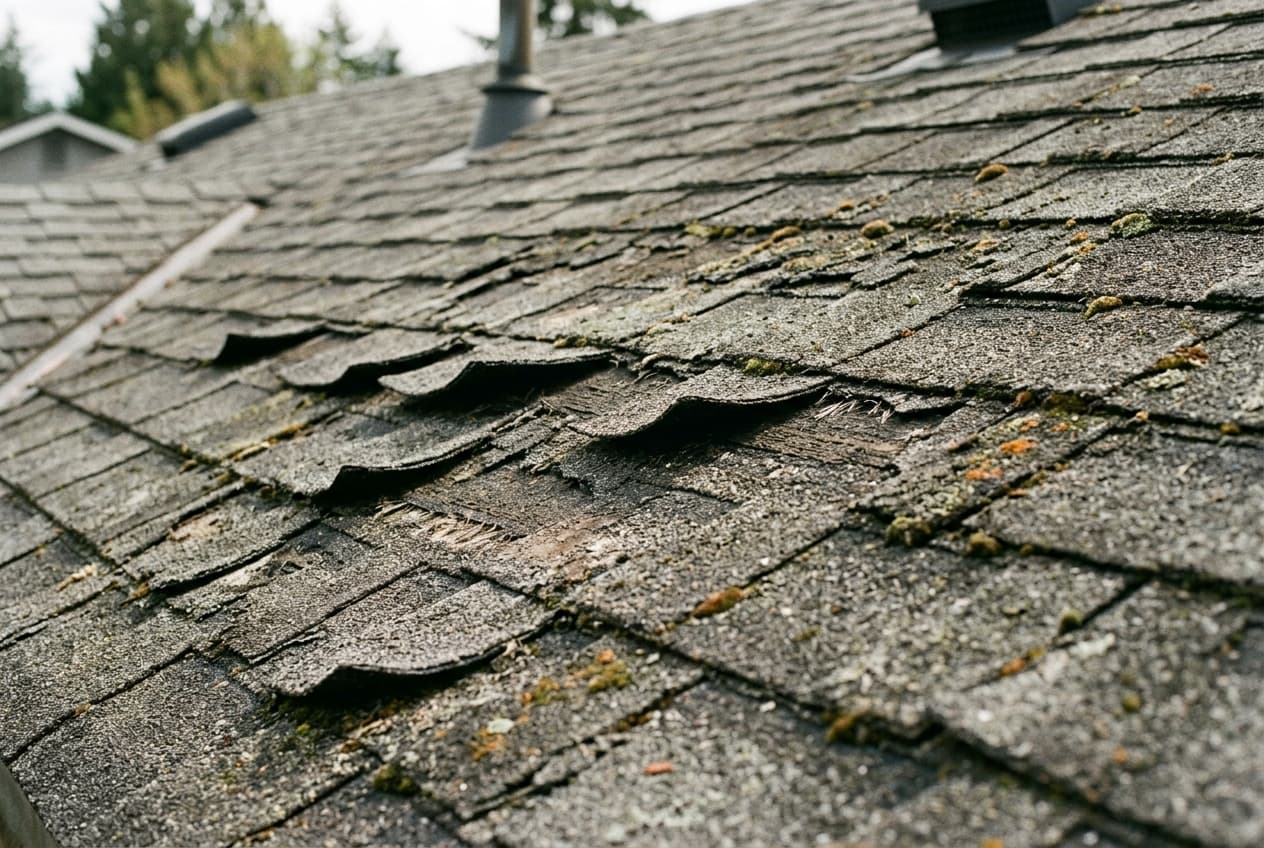
For a lot of New England homeowners, roof age becomes a real issue well before any storm — at renewal. As a roof gets older, an insurer may:
- Require an inspection before renewing the policy.
- Move the roof from replacement cost to actual cash value.
- Add a separate, higher wind or roof deductible.
- Decline to renew the policy, citing roof age or condition.
This pressure is strongest along the coast. Recent industry data shows elevated non-renewal rates in coastal Massachusetts, and roof condition is one of the top factors carriers point to. If you are non-renewed and can’t find standard coverage, the Massachusetts FAIR Plan (MPIUA) is the insurer of last resort — coverage is available there, though usually at higher cost and often on an ACV basis.
One Massachusetts-specific protection is worth knowing: under DOI Bulletin 2025-02, an insurer can’t make a non-renewal or claims decision based on drone or satellite imagery alone, and the imagery has to be recent. If your carrier is acting on an aerial photo of your roof, that decision isn’t the final word.
When does an old roof still have a claim?
Plenty of times. The thing to separate is storm damage from wear. A 17-year-old roof that loses a field of shingles in a nor’easter has a covered cause, even if the settlement is depreciated. A 17-year-old roof that’s simply worn out and starting to leak is a different story — that reads as normal deterioration, which policies exclude. The cause is what the insurer judges; we cover that line in whether insurance covers a roof leak.
This is also where good documentation earns its keep. On an older roof, an adjuster is more likely to attribute damage to age unless the storm cause is clearly established. A contractor who can document fresh storm damage — and distinguish it from old wear — helps keep the claim tied to a covered event. If a claim does get turned down, our piece on why roof claims get denied and what to do next walks through the options.
Caught a storm on an older roof?
Our Post-Storm Checklist helps you capture fresh damage and the date of loss before it blends into normal wear — the documentation that keeps an older-roof claim tied to a covered event.
Get the Post-Storm ChecklistWhat to do with an aging roof
If your roof is getting up in years, a few things help you stay ahead of both the claim and the renewal questions:
- Find your settlement basis. Pull your declarations page and look for whether the roof is on ACV or RCV. If you’re not sure, ask your agent.
- Keep maintenance records. Receipts and inspection reports help show the roof was cared for, which supports both renewal and any future claim.
- Know the roof’s real condition. Age is only part of the picture — condition is the rest. Our Assess guide on whether you actually need to replace an old roof helps you tell the difference.
- Talk to your agent before a problem hits. Ask what your carrier’s roof-age expectations are, so a renewal surprise doesn’t catch you off guard.
Frequently asked questions
Will homeowners insurance cover an old roof?
Age by itself doesn’t cancel coverage. An older roof damaged by a covered event can still have a valid claim — but it’s more likely to be paid on a depreciated, actual cash value basis, and age affects how the policy is handled at renewal.
At what age do insurers stop covering a roof?
There’s no single age. Many insurers start scrutinizing roofs around 15 to 20 years old — switching to ACV, requiring an inspection, or declining to renew — and the threshold is stricter on the coast. Only your carrier and policy give a reliable answer.
Can an insurer drop me because of my roof’s age?
Yes — an insurer can decline to renew based on roof age or condition, and it’s a common reason in coastal Massachusetts. If you’re non-renewed and can’t find standard coverage, the Massachusetts FAIR Plan is the insurer of last resort.
Is it worth filing a claim on an old roof?
If the damage came from a covered event, there may be a real claim — but the payout may be depreciated. Whether it’s worth filing, given your deductible, is a conversation for you and your agent. A documented inspection gives you the facts to have it.
How we wrote this guide
This article explains how homeowners policies generally treat older roofs; it is not a coverage determination for your home. It was researched against the Massachusetts Division of Insurance (including Bulletin 2025-02 and FAIR Plan information) and Insurance Information Institute guidance, and reviewed for accuracy by a licensed Massachusetts roofing contractor on the Global Roofing team. For how your specific policy applies, talk to your insurer or agent. See our full editorial process for how we research and update every article.