

Key Takeaways
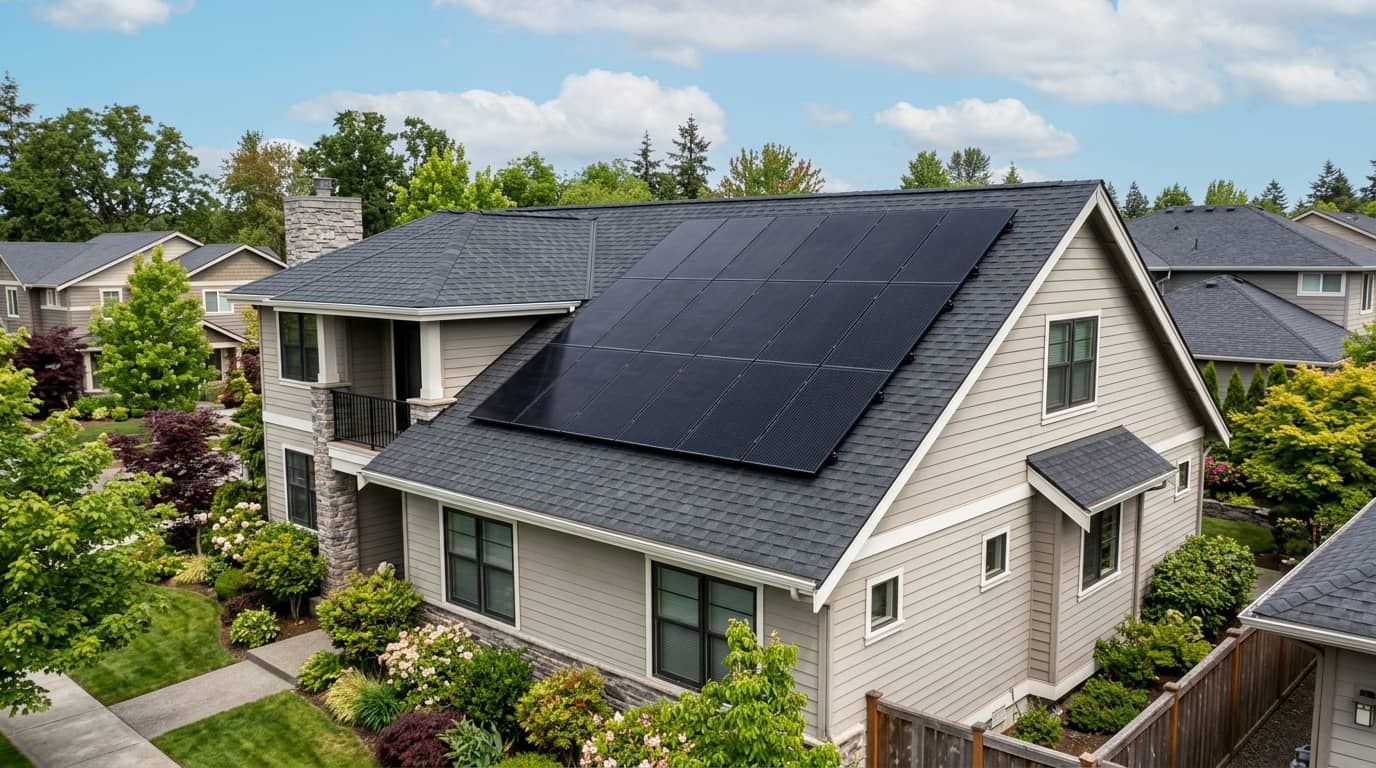
- Solar doesn’t automatically void a roof warranty. The major shingle makers allow mounts and publish how to install them.
- You have two warranties: a material warranty from the shingle manufacturer and a workmanship warranty from your roofer. Solar can affect both.
- Voids come from installer shortcuts — wrong flashing, bad sealant, weak-decking mounts, altered shingles — not from the panels.
- Following the manufacturer’s mount spec and documenting the work is what keeps coverage intact.
Does installing solar void your roof warranty?
Not automatically — and this is one of the more misunderstood points in solar. The major asphalt shingle manufacturers (CertainTeed, Owens Corning, Malarkey and others) all allow solar mounts and publish detailed specifications for installing them. Follow the spec, and your coverage stays intact. Ignore it, and you can create exclusions that surface at the worst possible moment — when you actually need to make a claim.
In other words, “does solar void my warranty” really comes down to how the solar is installed, not whether it’s installed. The same care that keeps a roof from leaking (covered in do solar panels damage your roof) is what keeps the warranty in force.
Two warranties, not one
Before the void triggers make sense, it helps to know that a roof usually carries two separate warranties, and solar can touch each one differently:
- The material (manufacturer) warranty. This comes from the shingle manufacturer and covers defects in the shingles themselves. Improperly installed solar mounts can void this coverage around the penetrations, because the manufacturer’s terms assume their mounting spec was followed.
- The workmanship warranty. This comes from the roofing contractor who installed the roof and covers how the work was done. If a different company later drills mounts into that roof, it can complicate or limit the roofer’s workmanship coverage — they warrantied a roof nobody else was supposed to penetrate.
That second point is a big reason coordinated roof-and-solar work matters: when the same team handles the roof and sets the solar mounts, both warranties stay clean. It’s also why replacing the roof and adding solar at the same time tends to be the tidiest path.
What actually voids coverage
The voiders are consistent across manufacturers, and they’re all things a careful installer simply doesn’t do:
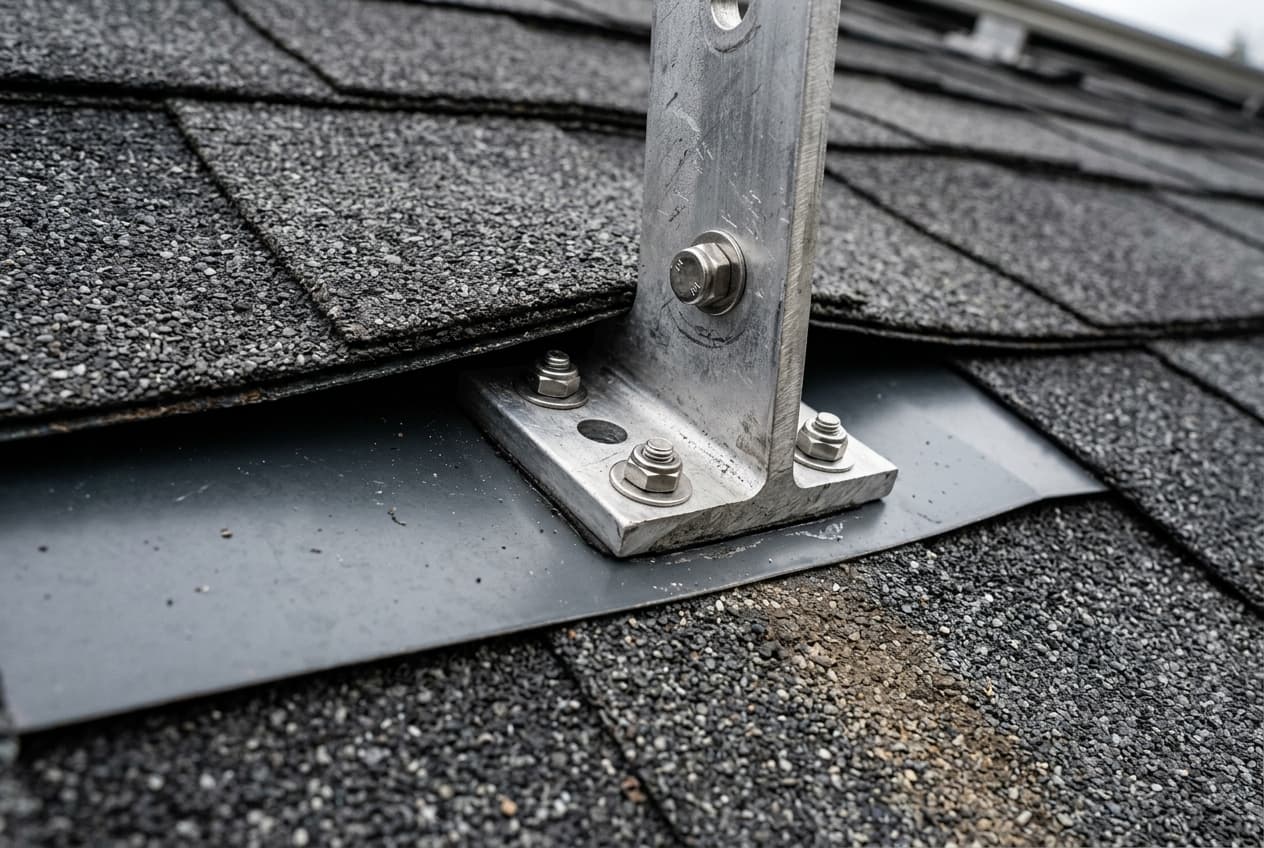
- Improper flashing around the mount feet. The spec calls for a specific flashing kit. Substituting caulk or generic flashing is the single most frequent voider.
- Non-approved sealants. Manufacturers specify which sealants are compatible; the wrong one degrades the shingle and creates a leak path the warranty won’t cover.
- Mounts on poorly fastened decking. If the decking under a mount isn’t properly attached to the rafter, the mount eventually pulls free — voiding coverage around it.
- Cut or altered shingles. Field-modifying shingles to fit a mount falls outside most warranties, which exclude altered material.
- Mounting on a roof past its age clause. Many shingle warranties limit coverage on older roofs, so adding penetrations to a roof deep into its life can land outside the terms — one more reason, on the older end, to weigh replacing first.
Start with a roof that’s in the clear
Age clauses and condition both affect warranty coverage. Our quick roof assessment helps you see whether your roof is in good standing before solar goes on — free, no signup.
Try the roof assessmentHow to keep coverage intact
Keeping both warranties in force isn’t complicated — it just takes an installer who treats the spec as non-negotiable:
- Use a brand-appropriate installer. Someone certified or experienced with the specific shingle on your roof knows that manufacturer’s mounting and flashing requirements.
- Follow the manufacturer’s spec exactly. The correct flashing kit, approved sealant, and proper fastening into structure — no substitutions.
- Document everything. Photos of the mount flashing during install, the materials used, and the permit records. That file is what backs up a future claim.
- Coordinate roof and solar. On a bundled project, having the roofer set the mount flashing during the roof job keeps both the material and workmanship warranties clean.
We’re describing how warranty coverage generally works — the exact terms are set by your shingle manufacturer and your roofing contractor, so read your specific warranty documents and keep them with your install paperwork.
“The manufacturers don’t hate solar — they publish the exact flashing kit to use. What voids the warranty is somebody skipping that kit to save twenty minutes. When we set the mounts during a roof job, we do it to spec and photograph every one, so the homeowner’s coverage is airtight if they ever need it.”
Global Roofing field team — Massachusetts in-home estimates
Frequently asked questions
Does installing solar void your roof warranty?
Not automatically. The major shingle makers allow mounts and publish how to install them. Following the spec keeps coverage intact; ignoring it creates exclusions. The common voiders — improper flashing, bad sealant, weak-decking mounts, altered shingles — are installer mistakes, not the panels.
What’s the difference between a material and workmanship warranty?
The material warranty comes from the shingle manufacturer and covers shingle defects. The workmanship warranty comes from your roofer and covers the installation. Solar can affect both — improper mounting voids manufacturer coverage around the penetrations, and drilling into a roof someone else installed can complicate the roofer’s coverage.
How do you keep your roof warranty when adding solar?
Use an installer experienced with your shingle brand, follow the manufacturer’s mounting and flashing spec exactly, and keep documentation. On a bundled project, having the roofer set the mount flashing during the roof job is the cleanest approach.
Can you put solar on a roof that’s still under warranty?
Usually yes, if the install follows spec and the roof is in good shape. Watch for age clauses that limit coverage on older roofs — adding penetrations late in a roof’s life can fall outside the terms. On a newer roof installed to spec, proper solar generally keeps the warranty in force.
How we wrote this guide
This article reflects shingle-manufacturer solar mounting requirements and how Global Roofing’s licensed Massachusetts crews preserve roof warranties on bundled projects. It’s explanatory — your actual coverage is governed by your specific manufacturer and workmanship warranty documents, which you should read and keep. Reviewed by our team. See our full editorial process for how we research and update every article.
Sources
- Shingle-manufacturer solar mounting and limited-warranty documentation (e.g. CertainTeed, Owens Corning, Malarkey).
- U.S. Department of Energy — Homeowner’s Guide to Going Solar (rooftop mounting considerations). energy.gov