
Key Takeaways
- Group your questions into three buckets: the company, the work and materials, and the warranties. Ask every contractor the same ones so you can compare answers on equal footing.
- About the company: license and insurance, how long in business, in-house crew or subs, and recent local references.
- About the work: the exact shingle, ice-and-water shield, underlayment, new versus reused flashing, ventilation, the permit, decking-if-rot, and cleanup.
- About warranties: both the manufacturer and workmanship coverage in writing, whether an enhanced warranty is available, and what voids it.
- How a contractor answers matters as much as the answer. Specifics given without hesitation are a good sign; vagueness and sign-today pressure are not.
The right questions turn a sales visit into a real comparison. Ask every contractor the same set, write down what each one says, and the differences in their answers will point you to the right hire more reliably than the price on the last page. Group your questions into three areas: the company, the work and materials, and the warranties.
This is the deeper companion to the questions section in our guide to comparing roofing quotes — use both together.
What should you ask about the roofing company?
You’re hiring a company, not just buying shingles. These questions tell you whether it will stand behind the work:
- Are you licensed and insured in Massachusetts? Can I see proof of both workers’ compensation and general liability?
- How long have you been in business, and where’s your physical office?
- Do you run your own crews, or do you subcontract the labor? Who will actually be on my roof?
- Can you give me five to ten recent local references — projects done in the last year?
- Are you manufacturer-certified (for example CertainTeed SELECT ShingleMaster or Owens Corning Platinum)?
The license and insurance answers carry the most weight. For why both policies matter and how to verify a contractor yourself, see what licenses and insurance a Massachusetts roofer should have.
Take these questions to every estimate
Our printable roofing estimate checklist turns these questions into a scorecard you fill out for each contractor — so you can compare answers side by side instead of from memory.
Get the estimate checklistWhat should you ask about the work and the materials?
This is where the value in a roof actually lives, and where vague quotes hide the most. Ask each contractor to walk you through the roof, start to finish, and get these specifics:
- What brand, product line, and tier of shingle? “Architectural shingles” isn’t an answer — the line is.
- Where is the ice-and-water shield going, and how far past the exterior wall? (Massachusetts code requires at least 24 inches.)
- Synthetic underlayment or felt — across the whole deck?
- Are you installing new flashing at every chimney, wall, and vent, or reusing any of the old metal?
- What’s the ventilation plan — intake and exhaust both?
- If you find rotted decking during tear-off, is replacing it included, and how do you handle the cost?
- Is the building permit included, and will you pull it in your name?
- What’s your cleanup process? Is a magnetic nail sweep part of it?
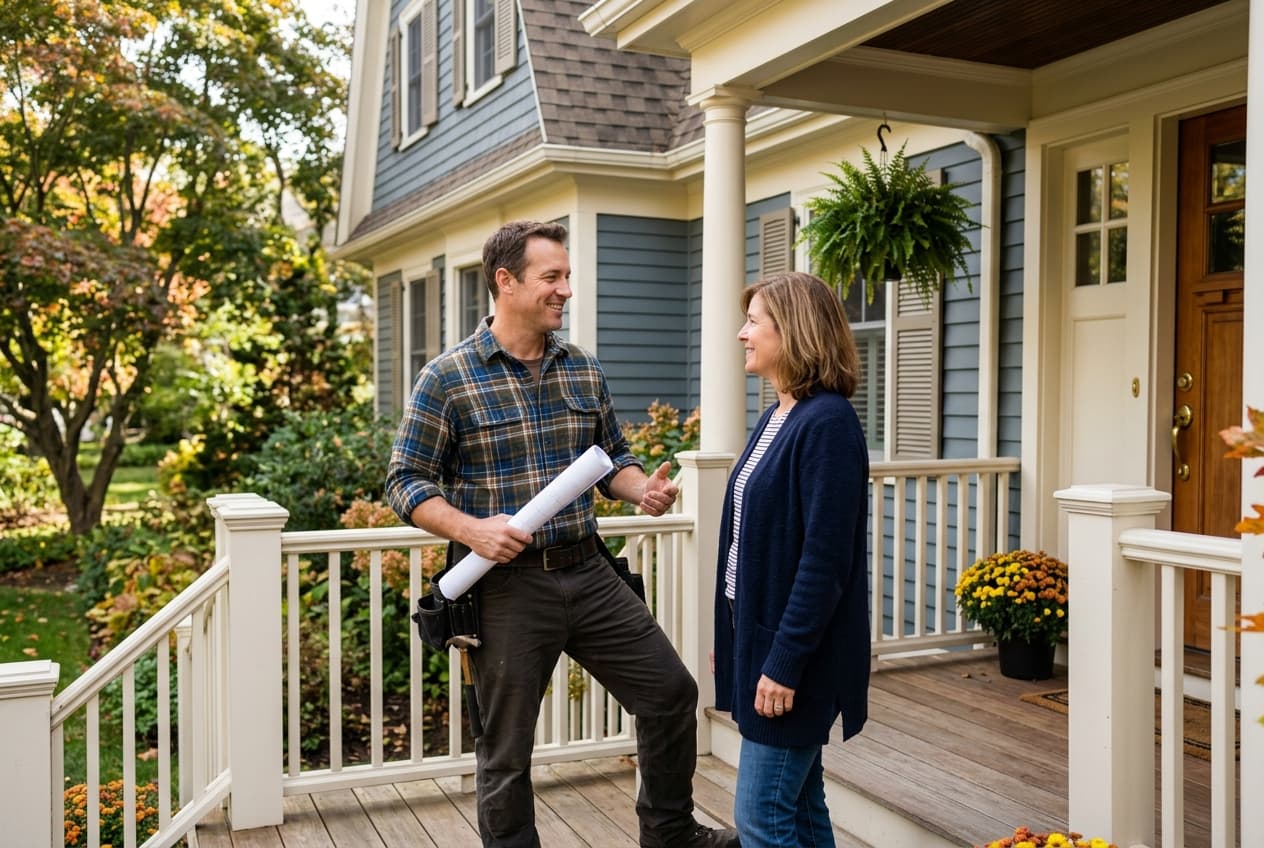
“The flashing question tells us the most. New flashing at every penetration is the difference between a roof that stays dry and one that leaks at the chimney in three years. A contractor who gets specific about it is one who plans to do it.”
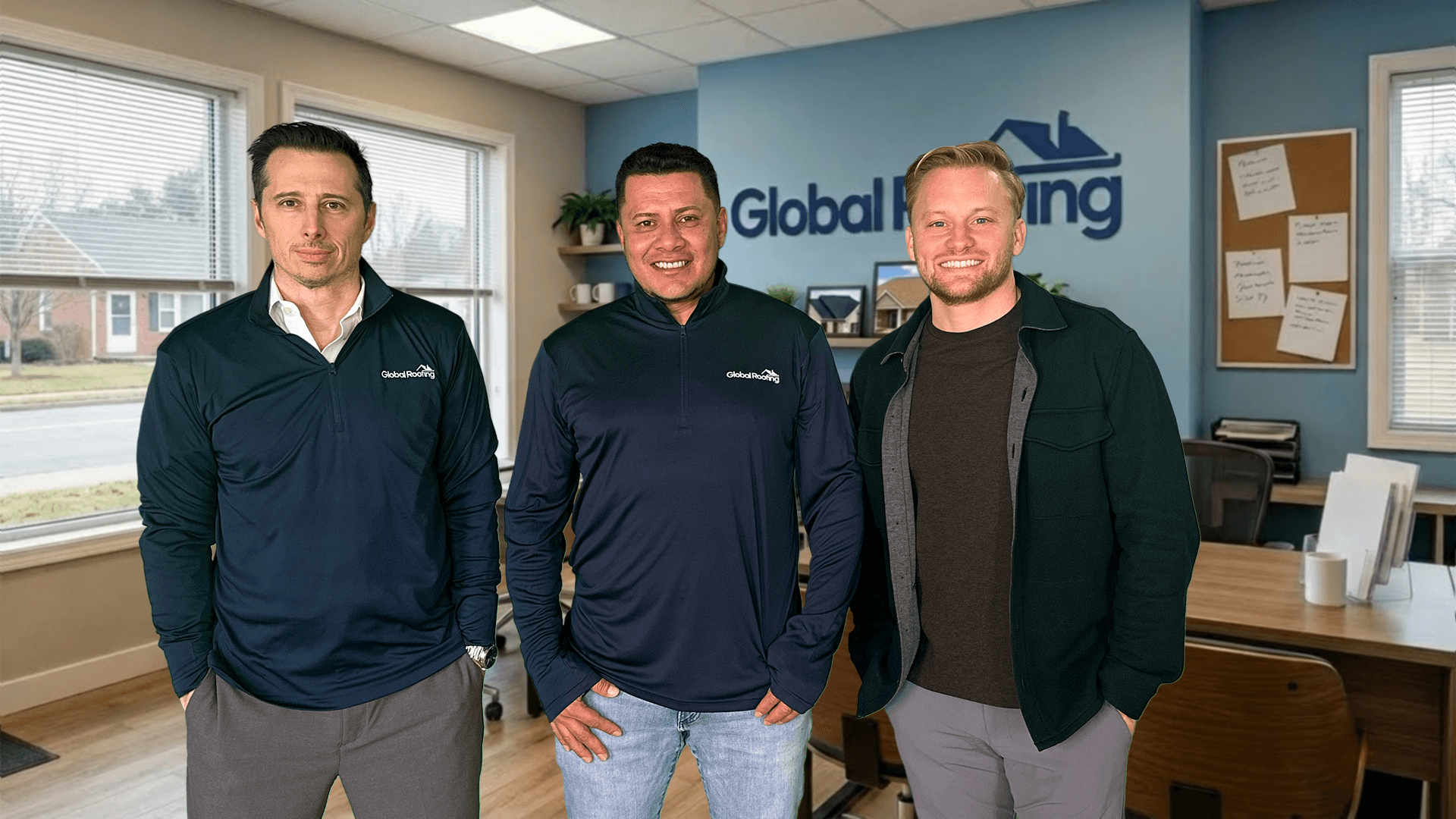
Global Roofing field team — Massachusetts in-home estimates
What should you ask about the warranties?
Roofing warranties confuse almost everyone, and that’s exactly why you ask about them up front, in writing:
- What’s your workmanship warranty — how many years, and what does it cover? (Reputable contractors offer 10 years or more.)
- What manufacturer warranty tier am I getting on the materials?
- Is an enhanced, manufacturer-backed warranty available — the kind that covers both materials and labor? What does it cost extra?
- What voids the warranty?
That last question matters more than it sounds. Poor ventilation and unpermitted work are common ways a warranty quietly gets voided — so a contractor who skips them isn’t saving you money, they’re spending your coverage.
How do you read a contractor’s answers?
The content of the answer matters, but so does the delivery. A roofer who knows their craft answers specifics without stalling — names the shingle line, explains where the ice-and-water shield goes, pulls out proof of insurance. A roofer who deflects (“don’t worry, we handle all that”) is telling you what the quote leaves out.
Two patterns worth weighing:
- Good signs: specifics given freely, details put in writing on request, recent local references offered, no rush to sign.
- Warning signs: vague material descriptions, “sign today” discounts, no physical roof inspection before quoting, and a reluctance to show license or insurance.
When two quotes come back far apart, these answers usually explain why — see why two quotes for the same roof can differ so much.
Frequently asked questions
What questions should you ask a roofing contractor before hiring?
Ask about the company (license, insurance, years in business, in-house crew or subs, references), the work and materials (shingle brand and line, ice-and-water shield, underlayment, new versus reused flashing, ventilation, permit, decking-if-rot, cleanup), and the warranties (manufacturer tier, workmanship duration, enhanced warranty, and what voids it).
Should a roofer use their own crew or subcontractors?
An in-house crew usually means more consistent quality and clearer accountability — the company that sold the job is the one on your roof. Subcontracting isn’t automatically bad, but ask who’s installing, how experienced they are, and who carries workers’ comp for the people on your property.
What should I ask about a roofing warranty?
Get both warranties in writing: the manufacturer warranty on materials (which line, how many years, prorated or not) and the workmanship warranty on installation (years and coverage). Ask whether an enhanced, manufacturer-backed warranty is available and what voids the coverage.
How do I know if a roofing contractor is trustworthy?
Ask every contractor the same questions and watch how they answer. Specifics given without hesitation, details in writing, and recent local references are good signs. Vagueness, sign-today pressure, and a refusal to show license or insurance are the warning signs that matter most.
How we wrote this guide
These questions reflect what Global Roofing covers in real Massachusetts in-home estimates, checked against National Roofing Contractors Association guidance on selecting a contractor, the Massachusetts Home Improvement Contractor program, and Massachusetts State Building Code (780 CMR). It was reviewed for accuracy by a licensed Massachusetts roofing contractor on our team. See our full editorial process for how we research and update every article.
Sources
- National Roofing Contractors Association — guidance on selecting a roofing contractor. nrca.net
- Massachusetts Office of Consumer Affairs & Business Regulation — Home Improvement Contractor program and hiring guidance. mass.gov
- Massachusetts State Building Code, 780 CMR — ice-and-water shield and ventilation requirements. mass.gov