
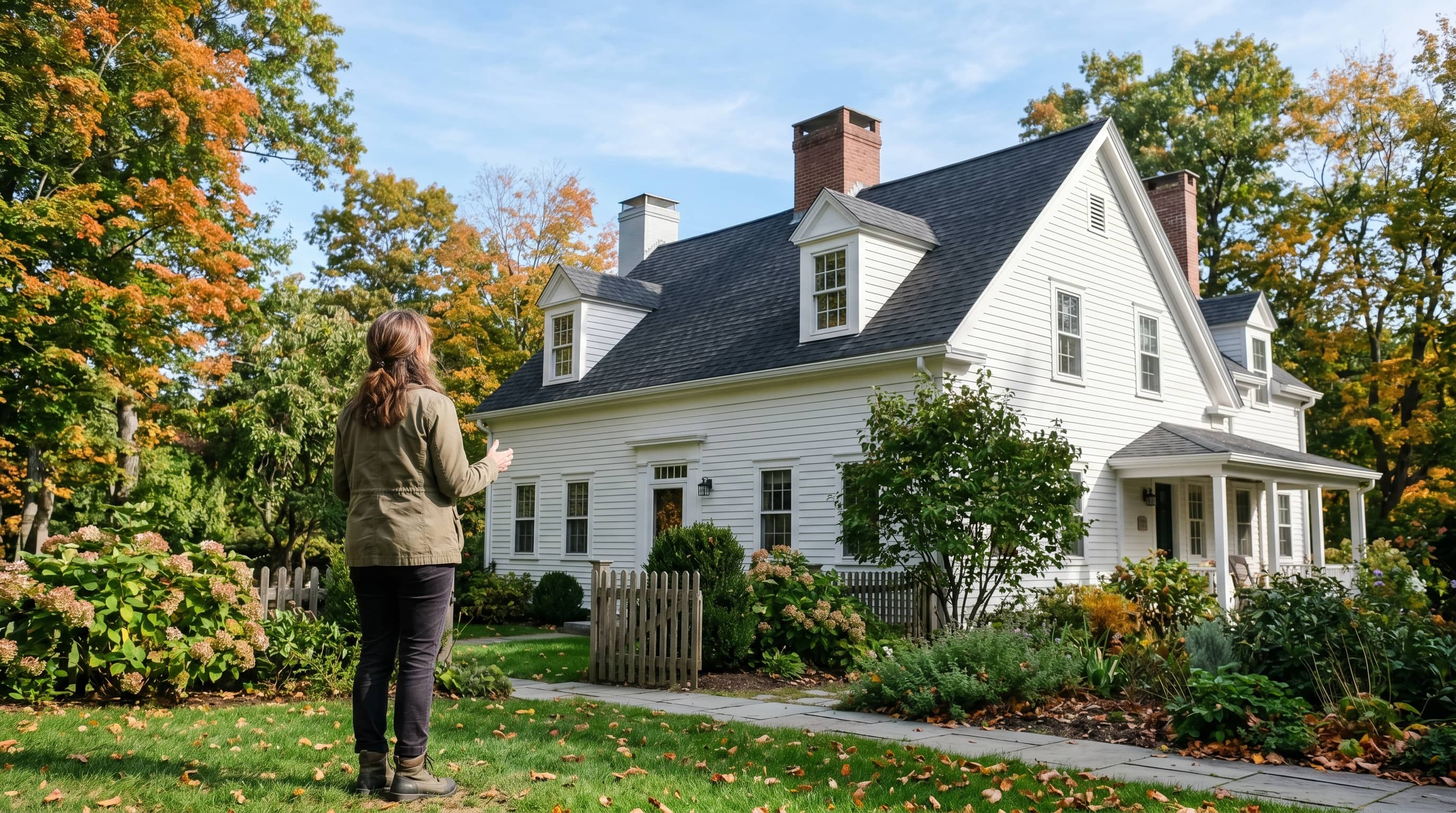

Key Takeaways
- For most homes, get a professional roof inspection about once a year — and at minimum every couple of years for a newer roof.
- Roof age changes the cadence. A newer roof in good shape is fine every 2–3 years; past about 15 years, move to yearly.
- Inspect after any major storm — high winds, hail, heavy snow or ice — and when buying, selling, or adding solar.
- You can do a quick ground-and-attic check yourself between visits, but never walk a steep, wet, or icy roof — a pro or drone sees what you can’t.
How often should you have your roof inspected?
For most homes, a professional inspection about once a year is the safe baseline, and at minimum every couple of years for a newer roof in good condition. On top of that, have the roof looked at any time after a major weather event. That rhythm catches small problems — a lifted shingle, a bit of cracked flashing, an early ice-dam stain — while they’re still cheap to fix, long before they turn into a leak inside the house.
Treat that as guidance, not a strict rule. A five-year-old roof on a sheltered house genuinely doesn’t need someone up there every spring. A twenty-year-old roof that just sat through a rough winter does. The point isn’t to hit a calendar date — it’s to keep eyes on the roof often enough that nothing surprises you. Our guide on what a 360° drone roof inspection is and what you get walks through what a thorough professional look actually covers.
Does the right frequency depend on your roof’s age?
It does — age is the biggest factor in how often you should look. The older a roof gets, the faster small issues appear and the more they matter, so the inspection cadence tightens as the roof ages:
- Newer roof in good shape (under ~10 years): every 2–3 years is usually plenty, plus a look after any big storm.
- Past about 15 years, or nearing its expected life: move to a yearly inspection. This is when curling, granule loss, and worn flashing tend to show up.
Keep in mind that roofs here age faster than the number printed on the shingle wrapper suggests. Freeze-thaw cycles, ice dams, and heavy wet snow wear a New England roof down quicker than the milder climates manufacturers test in, so don’t assume a roof will quietly coast to the top of its rated life without anyone checking on it. If you want to put an actual number on it, a good inspection can estimate how many years your roof has left based on what the shingles, flashing, and decking are actually doing — not just the year it went on.
Not sure if it’s time for a look?
Our 2-minute Roof Condition Assessment takes your roof’s age and what you’re seeing and gives you a straight read — keep an eye on it, plan ahead, or get it inspected.
Take the assessmentWhat events should trigger an inspection?
Outside of the routine schedule, certain events are worth a look on their own — they’re the moments roofs most often pick up damage or when a clear answer matters most:
- After high winds or a nor’easter. Strong gusts lift and tear shingles, and a roof can look fine from the ground while a few tabs are gone or creased on a back slope.
- After hail. Hail bruises shingles and knocks off the protective granules, damage that’s easy to miss but shortens the roof’s life.
- After heavy snow and ice dams. A New England winter loads the roof and forces melt-water back up under the shingles at the eaves — a spring look catches what the season left behind.
- When buying or selling a home. The roof is one of the biggest line items either way, and a clear read protects both sides — see our take on whether you need a roof inspection when buying or selling.
- Before adding solar. Panels are meant to stay put for decades, so the roof underneath needs enough life left to go the distance before you mount anything to it.
- When you notice a leak or a new ceiling stain. Don’t wait for the next scheduled visit — a fresh stain after a storm means water is getting in now.
- When your insurer asks. Carriers sometimes request a roof inspection at renewal or before they’ll write a policy. If yours does, ask your agent exactly what they need documented.
In practice, two habits cover most New England homes: a routine look in spring after winter lets go of the roof, and a check after any big storm rolls through.
“The roofs that surprise people are the ones nobody checked after a storm. A creased shingle on a back slope doesn’t leak for a year or two — then it does, all at once. A quick look right after the weather is the cheapest insurance there is.”
Global Roofing field team — Massachusetts in-home estimates
Can you check it yourself between inspections?
Yes — and a quick self-check between professional visits is a smart habit. The key is to do it safely, which means keeping your feet on the ground and out of the attic only where it’s safe to stand.
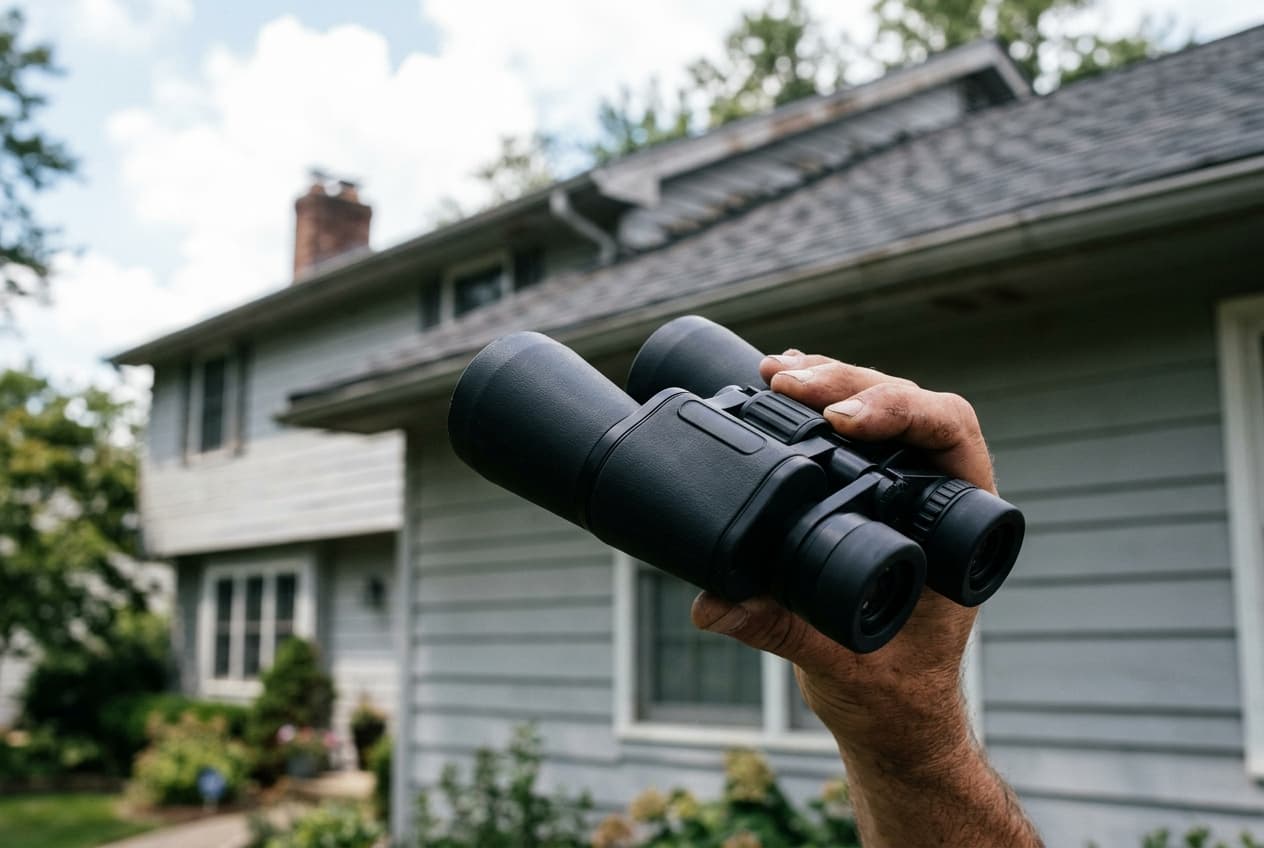
From the ground, with a pair of binoculars, scan for shingles that are missing, curling, cracked, or sitting crooked; dark patches where granules have worn away; any sag or dip in the roofline; and damaged or pulling flashing around the chimney, vents, and valleys. After a storm, walk the yard and look for shingle pieces or granule grit in the gutters and downspout splash zones.
From inside the attic, on a bright day, look up for daylight coming through the deck, water stains or streaks on the underside of the roof, damp or matted insulation, and any musty smell. The attic often shows a leak before the ceiling below does.
What it can’t do is replace a professional look. Don’t climb onto the roof — a steep, wet, snowy, or icy roof is dangerous, and walking on aging shingles can damage them. A professional inspection, especially a drone-based 360° inspection, safely sees the steep slopes, the flashing detail, and the things you simply can’t make out from the yard.
Frequently asked questions
How often should you have your roof inspected?
About once a year is the safe baseline for most homes, and every couple of years at minimum for a newer roof in good shape — plus a look any time after a major storm. Think of it as guidance: an older roof or one that just took a beating is worth checking more often than a young roof on a sheltered house.
Does inspection frequency depend on my roof’s age?
Yes. A newer roof in good condition is usually fine every two to three years. Once it passes about 15 years, or nears the end of its expected life, switch to yearly — problems show up faster and matter more. New England weather ages roofs quicker, so don’t assume one will reach its full rated life unwatched.
What events should trigger a roof inspection?
Get one after high winds or a nor’easter, after hail, and after a winter of heavy snow and ice dams. Also inspect when buying or selling a home, before adding solar, any time you spot a leak or new ceiling stain, and if your insurer asks for one.
Can I check my own roof safely?
Yes, from the ground with binoculars and from inside the attic — looking for missing or curling shingles, damaged flashing, sagging, and water stains. Don’t climb onto a steep, wet, or icy roof; a professional or drone inspection sees what you can’t and does it safely.
How we wrote this guide
This article reflects what Global Roofing sees on real Massachusetts and New England roofs, checked against National Roofing Contractors Association guidance on roof maintenance and inspection intervals and against home-inspection standards from InterNACHI and ASHI. It was reviewed for accuracy by a licensed Massachusetts roofing contractor on our team. See our full editorial process for how we research and update every article.
Sources
- National Roofing Contractors Association — roof maintenance and recommended inspection intervals. nrca.net
- International Association of Certified Home Inspectors (InterNACHI) — home and roof inspection standards of practice. nachi.org
- National Weather Service — wind, hail, and winter storm hazards in the Northeast. weather.gov