

Key Takeaways
- Roof size is the single biggest driver of cost — more area means more material and more labor — but it sets the baseline, not the final number.
- Roofers measure the actual roof surface in squares (one square = 100 square feet), which is always larger than the home’s footprint because of pitch and overhangs.
- Shape can move the price as much as size: every valley, dormer, hip, and skylight is hand-work, and a steep pitch slows the crew.
- A reputable contractor turns the measurement into one total price for the whole job — not a per-square rate you have to calculate yourself.
How does roof size affect the cost?
Size is the first and biggest lever on what a roof replacement costs. A larger roof has more surface to tear off, more underlayment and shingles to lay down, and more hours of labor to finish. If everything else about two roofs were identical, the bigger one would cost more — that part is simple.
The catch is that everything else is rarely identical. Area sets a baseline, then the shape of the roof, its pitch, the condition of the wood underneath, and how easily the crew can reach it all push the number up or down from there. That’s why size alone can’t tell you the price, and why a real quote always follows a look at the actual roof. For the full picture of every factor that moves the number, our guide to what a new roof costs walks through each one.
How do roofers measure a roof’s size?
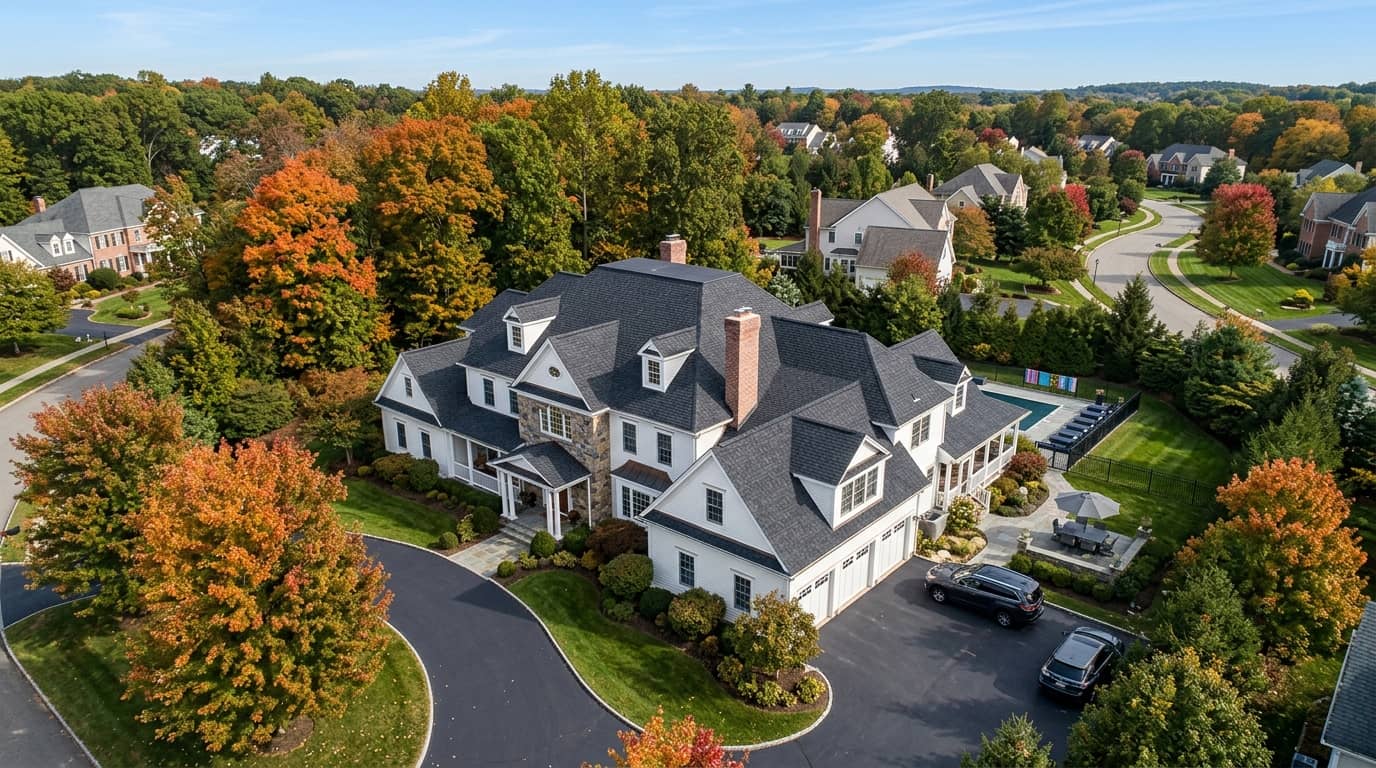
Roofers measure the actual roof surface — not the square footage of your living space. A 2,000-square-foot home almost never has a 2,000-square-foot roof, because the pitch and the overhangs make the roof surface larger than the footprint of the house. A steeper roof has even more surface for the same footprint.
That surface is measured in roofing squares, where one square equals 100 square feet of roof. It’s the unit crews use to plan materials and labor. Here’s the part that matters for you, though: a square is a measurement, not a price tag. A reputable contractor uses it to build a single, total price for your whole roof — they don’t hand you a per-square rate and leave you to do the multiplication, because the real cost lives in the details a rate can’t capture.
Get a ballpark for your roof
Our Roof Cost Calculator factors in your home’s size, material, and roofline to give you a realistic range before any in-person estimate.
Try the cost calculator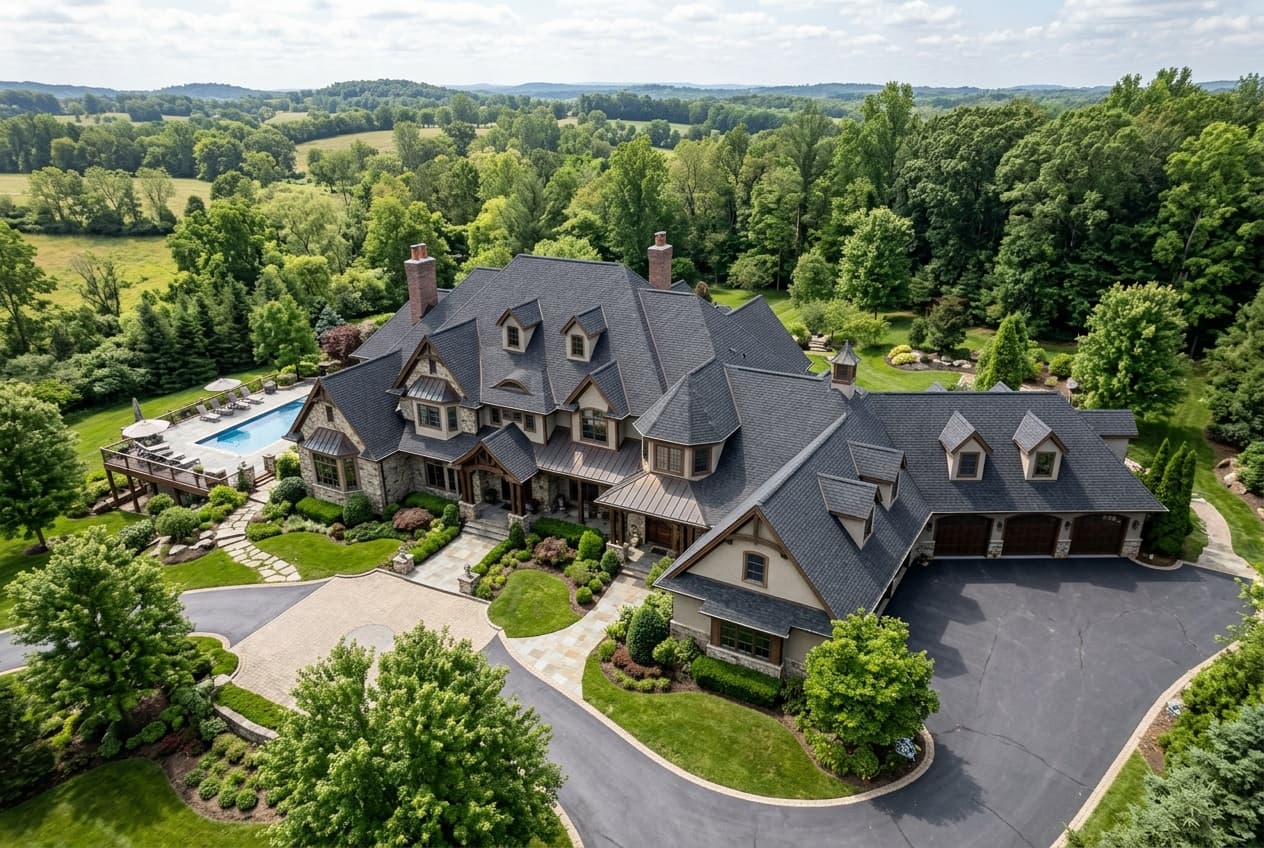
Why does roof shape matter as much as size?
Two homes can have the same roof area and still land at very different prices, because a flat number for area says nothing about how complicated the roof is to build. Every break in the roofline is a spot that has to be cut in, flashed, and sealed by hand:
- Valleys and hips — where two slopes meet, each needs careful flashing and waterproofing.
- Dormers — small additions to the roofline that multiply the number of edges and transitions.
- Skylights and chimneys — every penetration is a potential leak point that has to be flashed individually.
- Pitch — a steep roof slows the crew, calls for more safety setup, and adds surface area for the same footprint.
A simple roof with two clean slopes goes quickly. A roof of the same size that’s full of dormers, valleys, and a steep pitch can take far more labor and more flashing to do right. Material choice works the same way — a heavier or premium product changes the equation on top of the roofline, which is the whole question behind asphalt versus metal and what each is worth.
“People are surprised that their neighbor’s same-size house cost less to roof. Then we point out their place has four dormers, two skylights, and a steeper pitch. Same square footage, twice the cut-in work. The roofline tells you more than the square footage does.”
Global Roofing field team — Massachusetts in-home estimates
What else changes the price beyond size?
Once area and shape are accounted for, a few more factors decide where the final number lands:
- The deck underneath. If tear-off reveals rotted wood, replacing it adds to the job — the biggest unknown in any roof.
- Access. A tight lot, landscaping to protect, or a multi-story home all add time and care.
- Existing layers. A roof carrying several old layers takes more labor to strip and haul away.
- Where you live. A New England roof is built with extra waterproofing the code requires, which is part of why a roof costs more in Massachusetts.
None of these show up in a square-footage figure, which is exactly why a trustworthy price comes from someone who has looked at your actual roof — not from a rate multiplied by an area.
Frequently asked questions
How does roof size affect the cost of a new roof?
Size is the biggest driver — more roof area means more material and more labor. But it sets a baseline, not the final price. Two roofs of the same area can cost very differently once shape, pitch, deck condition, and access are factored in.
How do roofers measure the size of a roof?
They measure the actual roof surface in roofing squares — one square equals 100 square feet of roof. Because of pitch and overhangs, the roof surface is always larger than the home’s floor area. A good contractor turns that measurement into one total price, not a per-square rate.
Why does roof shape change the cost if the size is the same?
Every valley, dormer, hip, skylight, and chimney is a spot that has to be cut in and sealed by hand, and a steeper pitch slows the crew. A cut-up roof takes far more labor and flashing than a simple roof of the same area, so shape can move the price as much as size.
Does a bigger house always mean a more expensive roof?
Usually, but not always. A large home with a simple, low roofline can cost less to roof than a smaller home with a steep, complex one. Area sets the baseline; complexity, pitch, the deck underneath, and access decide the rest.
How we wrote this guide
This article reflects how Global Roofing measures and prices real Massachusetts roofing projects, checked against National Roofing Contractors Association guidance on roof measurement and roofing systems. It was reviewed for accuracy by a licensed Massachusetts roofing contractor on our team. See our full editorial process for how we research and update every article.